
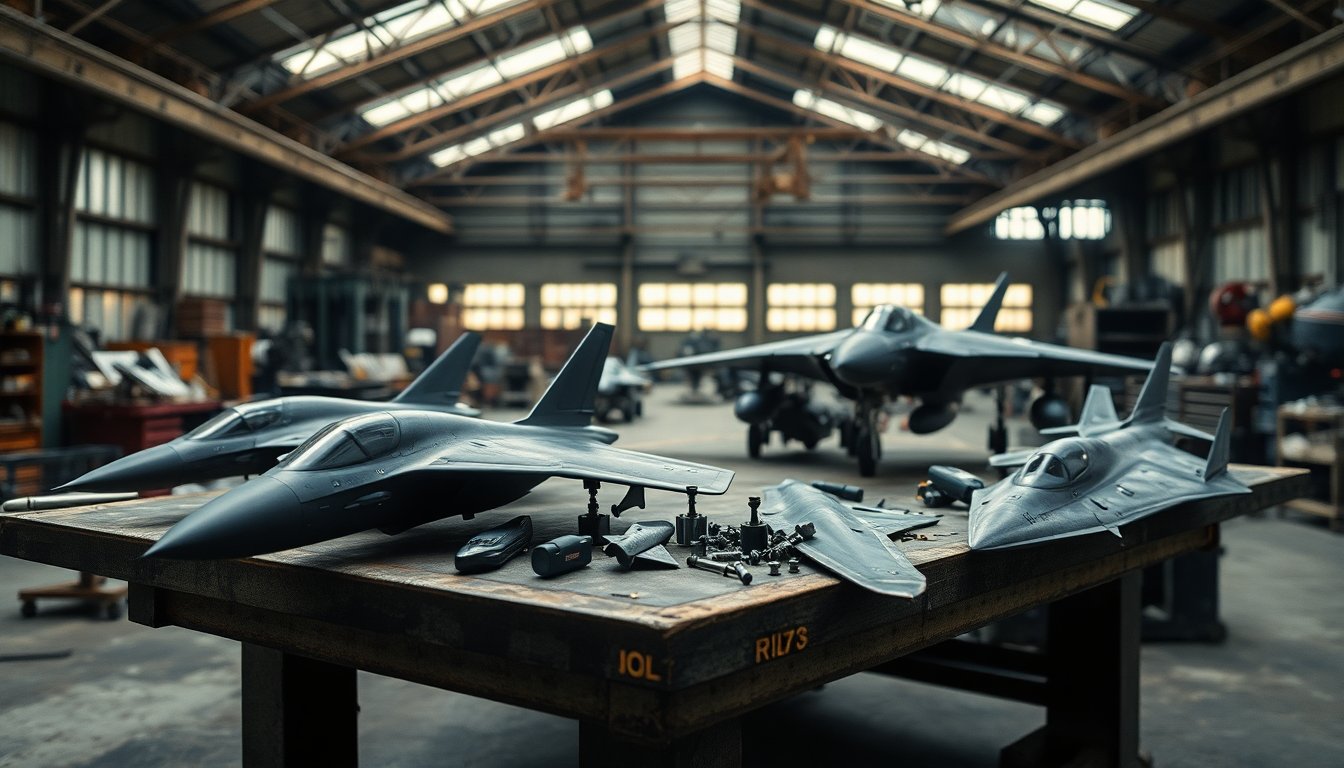
A recent media splash about a so-called “phantom stealth fighter” did more than spark headlines — it pulled back the curtain on a chronic problem in European defence: too many competing national projects, too little coordination, and an industrial landscape that splinters just when unity matters most. That single episode is symptomatic, not exceptional. The consequence is predictable: big budgets that buy disappointing returns — higher bills, slower deliveries and weaker readiness when allies need to operate together.
Why does this happen so often? Political incentives play a big role. Ministers answer to voters and local economies, and protecting domestic factories is an easy political win. But when governments prize national champions over shared solutions, taxpayers end up footing the bill for multiple programs that chase the same capability. Protectionist procurement steers work to local suppliers even where cheaper, compatible options exist across borders. The result is parallel efforts and duplication of effort — and that duplication is expensive.
The practical fallout is straightforward and cumulative. Procurement and sustainment costs climb because spare parts, maintenance and training are bespoke rather than standardised. Supply chains lose scale and become brittle. And on the battlefield, interoperability frays: logistics, communications and command-and-control get harder when every partner runs a slightly different platform.
Industry-side problems compound the political ones. Europe’s aerospace and defence sector is technically sophisticated but institutionally fragmented. Cross-border collaboration happens, but national-content rules and the desire to preserve sovereign capabilities force suppliers to redesign, requalify and retool for multiple programmes. That drives up per-unit costs and lengthens lead times — particularly for specialized items such as low-observable coatings or integrated avionics where small production runs make learning and efficiency impossible.
Some of the most damaging effects are subtle and long-term. Fragmented demand means smaller production runs and weaker leverage in price negotiations, slowing technology adoption. Different training curricula, spare-part inventories and certification regimes create permanent overheads that eat into lifecycle budgets. Multinational projects, meanwhile, add coordination points and legal complexity that often translate into schedule slips and cost growth.
The remedies are known, even if they aren’t always easy. Harmonise technical requirements, pool procurement where sensible, and agree common industrial standards. Those steps would reduce redundancy, spread risk and lower unit costs. Crucially, they require political leaders willing to trade short-term industrial prestige for long-term efficiency — and mechanisms that bind partners to agreed rules rather than rely on goodwill alone.
Concrete measures could include joint funding instruments for major programmes, binding local-content frameworks that favour cross-border value over purely national inputs, and shared certification regimes to speed approvals. Greater transparency around total lifecycle costs would also help voters and lawmakers weigh the true price of fragmentation versus cooperation.
The “phantom fighter” was a high-profile symptom, not the illness itself. Fixing the underlying problems means changing incentives, tightening coordination and accepting that in defence — as in many complex industries — scale and standards matter. Europe’s technical base can deliver world-class platforms; it just needs political and industrial structures aligned to turn capability into affordable, interoperable reality.