
Calgary’s decision to turn down a bid to host the 2026 Winter Olympics says more about changing civic priorities than about one city’s budget sheet. What once stirred communal pride now sparks a tougher conversation: voters weighed the nostalgia of past Games and the promise of legacy projects against ballooning expenses, environmental concerns and the prospect of decades-long financial commitments.
The most obvious reason for the change in tone is cost. Staging an Olympics today is wildly more complicated and expensive than it used to be. Budgets swell, projects run late, and venues built for a few weeks of competition can sit underused for years. A widely cited Oxford study found that every Olympics since 1960 exceeded its original budget — by an average of roughly 172 percent — a figure that helps explain why taxpayers are increasingly skeptical.
Promises of tourism and lasting infrastructure still appear in feasibility reports, but experience shows early estimates often underplay the final bill. Insurance and contingency funds have grown into central concerns, and political leaders now face the real possibility of being asked to plug large shortfalls with public money. That political risk alone can sink a bid before technical details are even ironed out.
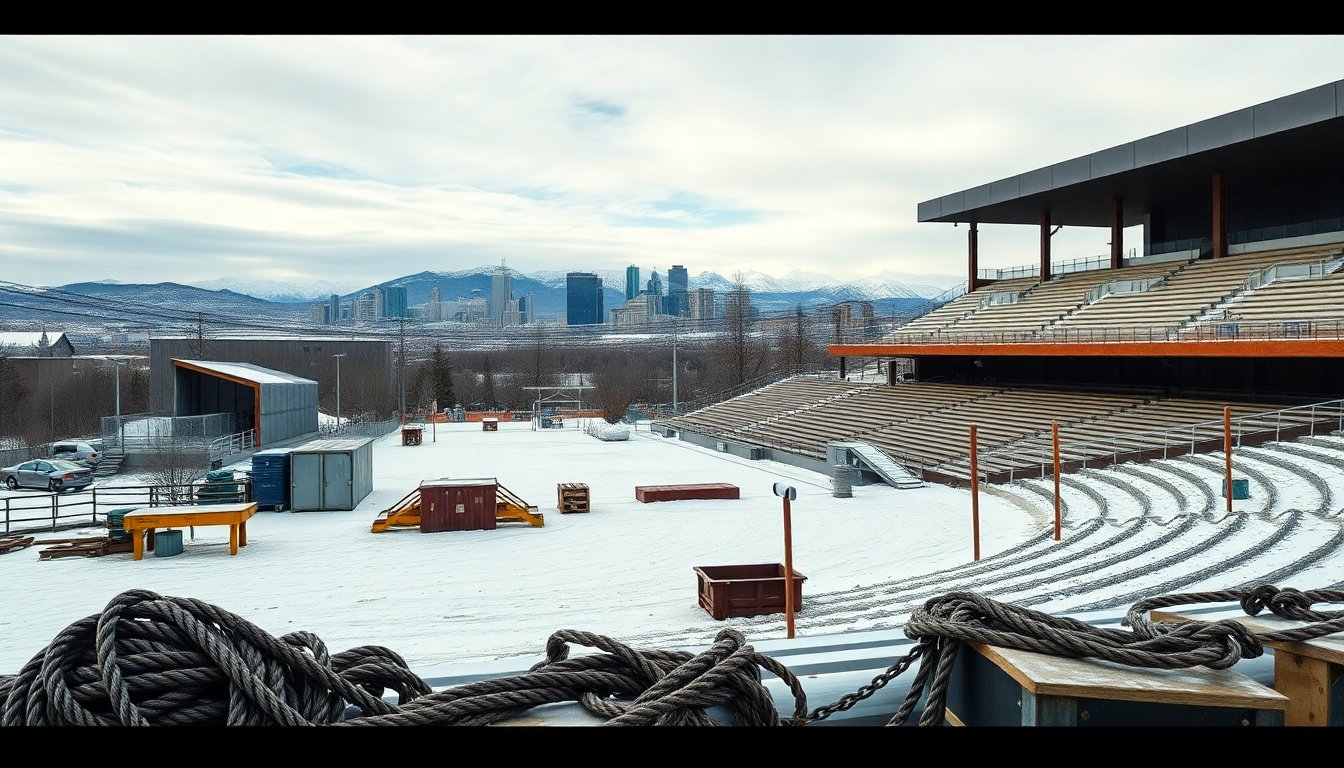
Whether hosting leaves a boon or a burden depends heavily on legacy planning. Existing facilities can be a blessing — or a slow-burning liability. Calgary’s WinSport complex, a remnant of the 1988 Games, demonstrates the paradox: some installations remain valuable community assets; others are aging, costly to upgrade and ill-suited to modern needs. Rebuilding a bobsled track or overhauling ski jumps can demand significant public investment long after the last medal has been awarded, prompting voters to ask who benefits and who pays.
“Legacy” has become a contested word for that reason. For athletes and local programs, Olympic-driven investment can open doors and raise participation. For everyday taxpayers, those same projects can read like recurring bills with benefits that are diffuse or hard to quantify.
The International Olympic Committee has tried to respond. Recent policy shifts emphasize reuse — favoring existing venues, temporary structures and regional hosting models to limit new construction and the debts that come with it. That’s a sensible tweak, but reuse isn’t a cure-all: older facilities still need maintenance, insurance and credible plans for ongoing community use.
Those new standards, in turn, narrow the pool of viable hosts. Cities with deep public coffers or extensive winter-sport infrastructure are better positioned to meet the IOC’s goals. Smaller municipalities, or places without natural snow and mountains, struggle to craft low-risk proposals, which concentrates hosting opportunities among a handful of locales.
Climate change compounds the problem. Warming winters and unreliable snowfall have whittled down where winter sports can be staged without heavy artificial intervention. Some IOC-commissioned work suggests about half of past host sites no longer have dependable natural snow and would require extensive snowmaking — which brings its own costs and environmental questions. Beijing’s 2022 reliance on manufactured snow, and the water it demanded, drew sustained criticism for good reason.
That environmental and logistical squeeze reshapes the map of possible hosts and raises equity concerns. If future Games rotate among a smaller group of well-equipped regions, many countries could lose the incentive to invest in athlete development or community sports facilities, narrowing access and opportunity globally.
Local politics matter too. Referendums like Calgary’s show how technical feasibility studies can fail to persuade when they don’t connect with ordinary voters. Grassroots campaigns that translate risks into clear, tangible costs often outmaneuver abstract promises of long-term benefit. In short: the public wants a story it can trust, not just spreadsheets.
The most obvious reason for the change in tone is cost. Staging an Olympics today is wildly more complicated and expensive than it used to be. Budgets swell, projects run late, and venues built for a few weeks of competition can sit underused for years. A widely cited Oxford study found that every Olympics since 1960 exceeded its original budget — by an average of roughly 172 percent — a figure that helps explain why taxpayers are increasingly skeptical.0