
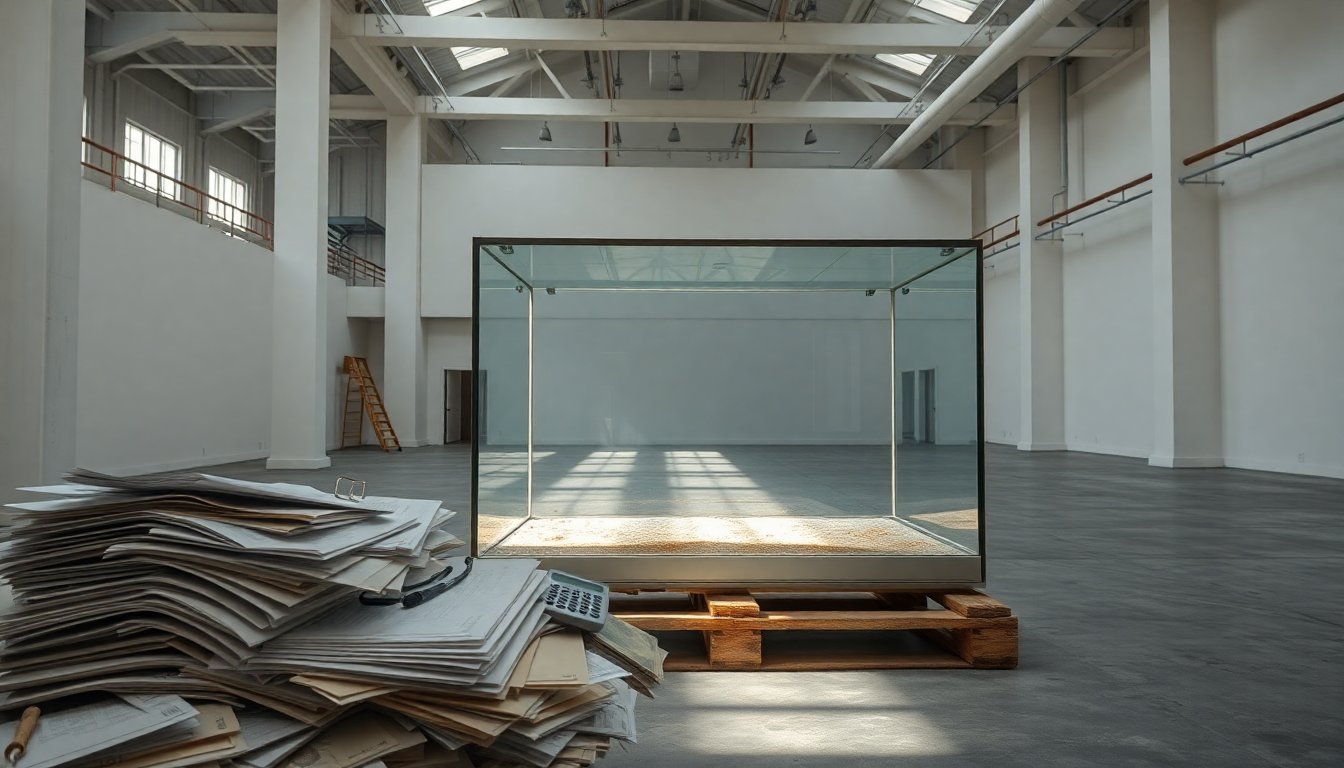
Jersey City has walked away from a long‑running plan to host a satellite of Paris’s Centre Pompidou, city leaders confirmed at a press briefing. The aborted effort consumed roughly $20 million in public spending but never produced a finished gallery or a public exhibition space.
New mayor James Solomon announced the decision bluntly: “We will not be doing Pompidou. It is dead.” That blunt announcement closed a chapter marked by shifting sites, layers of contracts and a steady drumbeat of criticism over whether taxpayer dollars were being well spent.
How the project unraveled
What began as a headline‑grabbing promise to bring a world‑class collection to Jersey City slowly turned into a cautionary tale about ambition outpacing oversight. The proposal offered access to Pompidou’s collection and the prestige of an internationally recognized brand. Early publicity pitched the project as an economic and cultural boon, but much of the deal‑making shifted behind closed doors, and details about costs, governance and long‑term liabilities remained murky.
As estimates of the city’s contribution climbed and governance arrangements stayed vague, opposition grew. Local arts groups, neighborhood advocates and fiscal watchdogs warned that municipal funds risked being siphoned from established programs. Questions about projected operating costs, the proposed management structure and the impact on nearby communities hardened public scrutiny. Political support frayed under the combined pressure of rising expense concerns and sustained neighborhood pushback, ultimately producing a stalemate that city leaders said left them no choice but to pull the plug.
The money already spent
During the planning phase, municipal officials and private partners authorized a string of expenditures — planning, legal work, preliminary design and site prep. Some of that money came from the Jersey City Redevelopment Agency; some from private developers and philanthropic pledges. A significant chunk of the fees went to outside consultants and designers: New York firm OMA received about $11.6 million for architectural and design services, while the Centre Pompidou was paid roughly $4.5 million for licensing and branding. Payments to some 30 consultants — covering everything from acoustics to legal counsel — helped push the tally to an estimated $20 million.
Those sums are largely sunk costs. Contracts for studies, consultant work and approvals can’t easily be reversed, complicating any effort to walk away cleanly. Supporters of the project argue those upfront investments were necessary to secure a partnership with a major international institution and to gain site control and clearer operating estimates. Critics counter that the money could have been spent on immediate local priorities — housing, schools, parks and neighborhood arts — and call for a rigorous cost‑benefit comparison.
City officials have pledged a full accounting. The planned review is expected to detail what was committed, what remains owed and any contingent liabilities to outside partners. That report will be pivotal in determining whether Jersey City tries to renegotiate terms, pursues a scaled‑back version, or redirects funds entirely.
Operational risks and political fallout
Project managers repeatedly flagged operational headaches long before spending mounted: unresolved site‑control issues, ambiguity over who would handle ongoing maintenance, and contractors warning of ballooning costs tied to specialized materials and international coordination. Meanwhile, public meetings drew protests and energized opponents who accused planners of prioritizing a marquee name over neighborhood needs.
The political consequences were swift. Several council members distanced themselves from prior endorsements after media scrutiny intensified. The state rescinded $24 million in funding, citing rising costs, supply chain problems and what it called an “irreconcilable operating gap.” Those losses, coupled with a municipal shortfall Mayor Solomon described at roughly $255 million, made moving forward politically and financially impractical.
Auditors are expected to comb through invoices, scope changes and termination clauses as part of the review. City administrators say they will present findings to the redevelopment agency and the council — and possibly pursue restitution or renegotiation where contracts allow.
New mayor James Solomon announced the decision bluntly: “We will not be doing Pompidou. It is dead.” That blunt announcement closed a chapter marked by shifting sites, layers of contracts and a steady drumbeat of criticism over whether taxpayer dollars were being well spent.0
New mayor James Solomon announced the decision bluntly: “We will not be doing Pompidou. It is dead.” That blunt announcement closed a chapter marked by shifting sites, layers of contracts and a steady drumbeat of criticism over whether taxpayer dollars were being well spent.1
New mayor James Solomon announced the decision bluntly: “We will not be doing Pompidou. It is dead.” That blunt announcement closed a chapter marked by shifting sites, layers of contracts and a steady drumbeat of criticism over whether taxpayer dollars were being well spent.2
New mayor James Solomon announced the decision bluntly: “We will not be doing Pompidou. It is dead.” That blunt announcement closed a chapter marked by shifting sites, layers of contracts and a steady drumbeat of criticism over whether taxpayer dollars were being well spent.3