
On Feb. 27, 2026, Pakistan’s defence minister declared his country was in “open war” with Afghanistan. What followed were Pakistani airstrikes on towns and military sites inside Afghanistan, Afghan retaliatory moves along the frontier, civilian deaths, fresh waves of displacement and a halt to diplomatic engagement — an abrupt escalation after the Taliban’s return to power earlier that year.
This episode didn’t appear out of nowhere. It’s another turn in a long, messy story: a disputed border, competing security priorities, and armed groups that cross the frontier with relative ease. Below is a clearer, more direct guide to what set this off, who suffers most, and what might reduce the damage going forward.
Quick snapshot
– Trigger: Recent cross-border attacks and reciprocal strikes. – Immediate effects: Civilian casualties, rising displacement, slowed or suspended trade at key crossings (notably Torkham), and frozen diplomacy. – Underlying causes: The unresolved Durand Line, porous frontiers and conflicting intelligence and counterterror agendas. – Near-term outlook: Repeated, episodic clashes punctuated by diplomatic pressure; independent verification and third-party mediation will shape whether violence escalates or cools.
What actually sparked this escalation
Each side blames the other. Pakistan says militants launched attacks from Afghan territory; Kabul condemns Pakistan’s air raids as illegal violations of sovereignty. On the ground, ordinary people are terrified — families fleeing homes, markets emptying, checkpoints turning hostile and everyday life grinding to a halt.
Why small incidents balloon into larger fights
– Ambiguous borders: The 2,600 km Durand Line remains disputed and is very difficult to monitor effectively. – Different threat priorities: Islamabad and Kabul focus on different militant networks and often act on intelligence that doesn’t line up. – Proxy dynamics: Non-state armed groups with cross-border reach can turn a local skirmish into a national crisis. – Risky operations near population centers: Strikes close to the frontier increase the chance of civilian harm, miscalculation and rapid escalation.
Human cost and humanitarian fallout
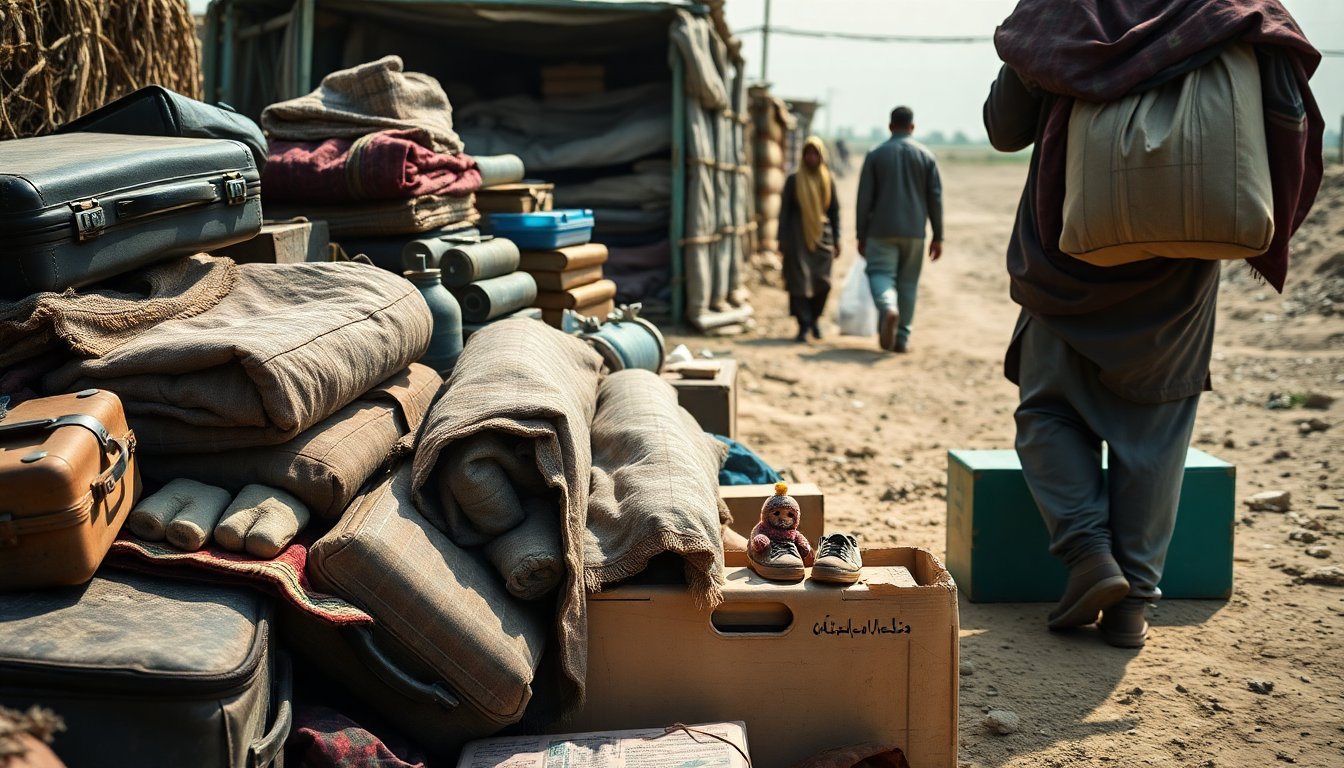
Civilians are the immediate victims. Displacement is climbing in frontier districts while safe humanitarian access contracts because of insecurity. Key services and cross-border trade have slowed or stopped at crossings like Torkham. NGOs report restricted movement and heightened danger to staff, which means aid deliveries are unreliable just when people need help most.
What governments, companies and aid groups should consider
– Governments: Re-establish direct communication channels, agree transparent rules for investigating incidents, and invite neutral mediators to de-escalate tensions. – Businesses: Review security plans, map supply chains, and prepare alternative staffing and transport routes. – Humanitarian actors: Secure protected corridors for aid, strengthen registration systems for displaced populations and document movements to reduce both harm and legal exposure.
The deeper drivers you need to know
– The Durand Line: Kabul has never formally accepted the colonial-era border. That unresolved dispute cuts across Pashtun communities and eases militant movement. – Mass mobility: Years of migration, deportations and returns between the countries have turned population flows into a flashpoint. – Regional rivalries: Mutual distrust — including Islamabad’s concerns about Kabul’s ties with India and Afghan accusations of Pakistan’s tacit support for certain insurgents — makes trust-building very hard.
Militant dynamics: who’s involved
Pakistan points to Tehreek-e-Taliban Pakistan (TTP) operating from Afghan soil; Afghan authorities accuse Pakistan of sheltering ISIS affiliates and other groups. Rugged terrain and sparse verification capacity mean independent confirmation is extremely difficult, and that opacity feeds reciprocal accusations and retaliatory strikes.
Legal and compliance implications
Cross-border strikes raise weighty questions under international humanitarian law: parties must distinguish combatants from civilians and avoid disproportionate harm. Breaches can bring diplomatic isolation, sanctions or international referrals. For companies and humanitarian agencies, careful documentation of due diligence, staff movements and contractual risks is essential to mitigate legal and reputational fallout.
This episode didn’t appear out of nowhere. It’s another turn in a long, messy story: a disputed border, competing security priorities, and armed groups that cross the frontier with relative ease. Below is a clearer, more direct guide to what set this off, who suffers most, and what might reduce the damage going forward.0