
Table of Contents
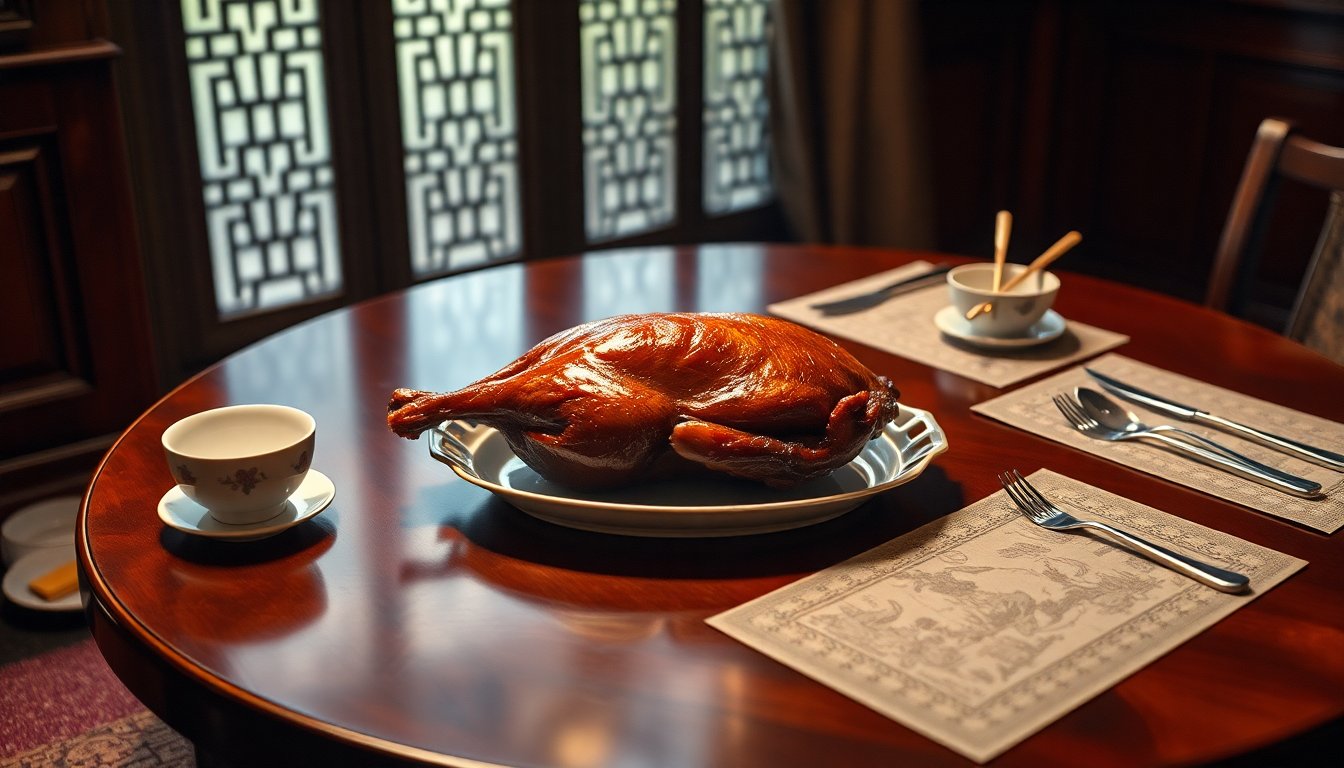
The image of statesmen sharing a meal still matters in Beijing. Inside the famed Quan Ju De restaurant, a small museum celebrates roast duck diplomacy — a reminder of how a dinner in 1972 helped the United States and China reset relations under President Nixon. Today the central question among diplomats and economic planners is simpler but urgent: will Donald Trump make the trip that was originally scheduled to begin on March 31? His administration has said the visit will be rescheduled, and the president told U.S. media the delay would likely last “a month or so” — language that leaves both sides uncertain about timing and intent.
Why timing has become the core issue
Beijing officials and Chinese analysts describe a pattern of unpredictability that complicates summit planning. Senior envoys met in Paris to prepare the agenda, yet Chinese participants reportedly left frustrated because they lacked clarity on what the U.S. wanted to achieve. The broader backdrop includes a self-launched U.S. military campaign in Iran that Washington says demands urgent attention, alongside rising domestic pressures at home. For Beijing, the delay is a double-edged sword: it reduces immediate public tension because the U.S. is not publicly blaming China, but it also stretches the window for a comprehensive agreement and forces Chinese negotiators to wait for concrete demands from Washington.
Economic stakes and the legal landscape
The economic ledger between the two powers is massive: in 2026 bilateral trade exceeded $650 billion US, and both governments are acutely aware that instability can ripple through global supply chains. The summit had been viewed in Beijing as the only viable path to extend a temporary trade truce that is due to lapse in November. At the same time, U.S. policy moves made in March 2026 — including emergency measures that imposed tariffs up to 145 per cent — prompted Chinese retaliatory duties of roughly 34 per cent and restrictions on critical minerals. Those measures remain touchpoints in any high-level negotiation because they directly affect industries from autos to semiconductors.
Tariffs, court rulings and follow-up probes
Complicating the calculus is a recent U.S. Supreme Court decision that found the president’s use of the International Emergency Economic Powers Act (IEEPA) to impose broad tariffs was unlawful, a development Beijing views as a clear win for exporters. The White House is moving to replace those measures with targeted reviews led by the U.S. Trade Representative into alleged Chinese overproduction and labour practices, but Chinese officials insist such probes be paused before leaders meet. These legal and investigatory threads determine how much leverage each side can bring to the table and whether a concrete, enforceable pact is feasible.
The wider geopolitical shadow: Iran and energy risk
Beyond the trade ledger, the ongoing war in Iran is a major geopolitical wild card. Chinese strategists worry that any U.S. commitment to ground troops would escalate the conflict and disrupt energy flows that Beijing depends on. For China — a large importer of Middle Eastern oil — instability in the region would change the entire calculus of a summit, because energy security and diplomatic signaling would suddenly take precedence over tariff rows. That reality helps explain why Beijing is cautious about locking into a summit date without clarity on Washington’s military intentions.
Regional ripples and allied concerns
The potential summit also matters to third parties. Ottawa, for example, has been trying to rebalance ties with China while navigating sharp rhetoric from Washington: the U.S. president warned of a possible 100 per cent tariff on Canadian goods if Canada concluded a sweeping deal with Beijing. Whether or not such threats are carried out, they underscore how a Trump-Xi meeting would not only reshape bilateral ties but could also influence negotiations and economic strategies across allied capitals. For now, the table at Quan Ju De remains formally set, but the key guests have delayed their arrival as multiple crises intersect.