
Table of Contents
Let’s tell the truth: the Detroit Pistons have shifted from underperformer to contender in a short span. Observers note a sharper on-court identity and results that no longer fit the old narrative.
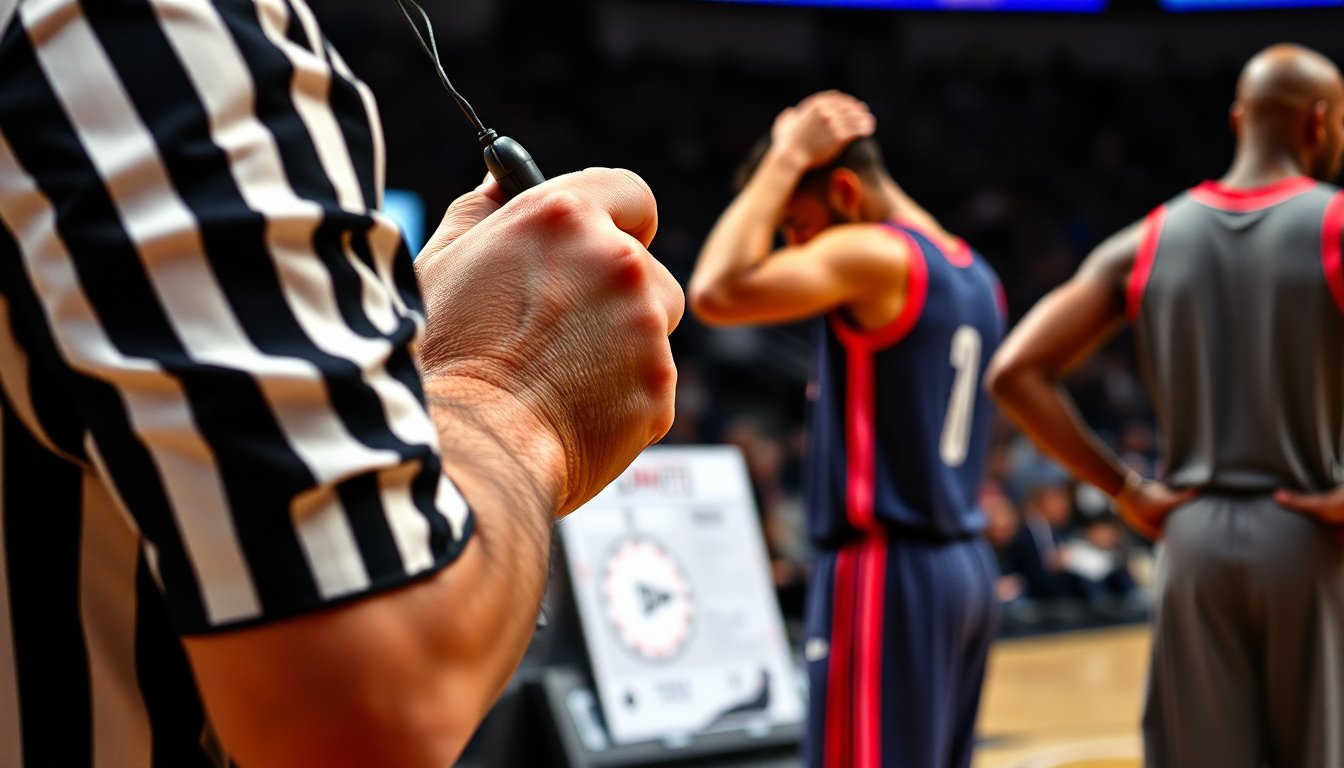
The change is partly tactical. The Pistons now accrue an unusually high number of technical fouls, a controversial method that coaches and analysts say has altered game tempo and opponent behavior. The strategy has drawn scrutiny but appears to play a role in the team’s improved competitiveness.
Off the court, fans seeking a premium viewing experience are increasingly choosing options such as the veranda suite at State Farm Arena. The suite pairs private seating with flexible catering and VIP access, offering a different way to follow the team’s recent run.
The emperor has no clothes, and I’m telling you: the Pistons’ comeback mixes provocation with pragmatism. Expect debate to follow as analysts weigh whether the approach is sustainable or merely a short-term edge.
On-court identity: the role of technical fouls
Let’s tell the truth: coaches and players have turned a disciplinary rule into a deliberate tool. A technical foul is not part of standard play. It is a penalty for conduct such as overtly disputing officials or provocative gestures. Those penalties can yield free throws, stop momentum, or energize a bench.
The tactic has immediate, observable effects. The team has played with increased physicality and edge. Opponents show signs of frustration. Teammates often tighten defensively after a charged incident. The strategy has coincided with improved results and altered expectations.
Analysts remain split on the tactic’s durability. Some argue the approach can force favorable matchups and intimidate opponents. Others warn of cumulative costs: extra free throws, player ejections, and strained relations with officials. The emperor has no clothes, and I’m telling you: using penalties as a strategy raises long-term risk even if short-term gains are real.
Coaches face a trade-off between aggression and control. Will referees adjust enforcement? Will rival teams exploit the emotional spikes? Those are the variables that will determine whether the approach endures.
The next phase to watch is behavioral management. If the team refines its edge without crossing disciplinary lines, the tactic could remain an asset. If incidents escalate, penalties may undercut competitive progress.
Why the tactic changed results
Following incidents that risked undermining progress, the team shifted emphasis from deliberate infractions to controlled aggression.
Let’s tell the truth: intent alone does not win games. The strategy succeeded because it combined physicality with disciplined rotations, tighter defensive assignments and a streamlined offense.
Coaches tightened substitution patterns to limit fatigue and foul trouble. Defenders prioritized contested shots over risky gambles. The offense reduced isolation plays and increased quick ball movement.
Those adjustments turned emotional spikes into practical advantages. technical fouls often coincided with momentum swings that energized home crowds and disrupted opponent rhythm.
Statistically, close contests moved in the team’s favor after the changes, suggesting the emotional edge produced measurable short-term gains. Analysts warn, however, that sustained success depends on maintaining discipline and avoiding escalation.
Fan experience upgraded: the veranda suite option
Following concerns about maintaining discipline, teams and venues are also rethinking how they sell exclusivity. The veranda suite at State Farm Arena blends the stadium atmosphere with private amenities for groups seeking a premium game-day experience.
The space is described by operators as an private luxury suite. It pairs fixed balcony seating that overlooks the court with additional seating inside the suite. Layouts typically include comfortable stadium seats, stools and chairs, plus a small bar area and high-top tables.
These suites aim to serve groups that want proximity to the action while retaining a degree of privacy. They support mingling, food and beverage service, and brief meetings without removing guests from the arena environment.
The emperor has no clothes, and I’m telling you: venues sell more than views now. They sell controlled social space, and that shift alters how teams package premium inventory and engage corporate and fan buyers.
Analysts say the trend reflects broader demand for flexible hospitality options that balance exclusivity with immersion. For arenas, the move offers higher per-capita revenue while requiring careful operational oversight to prevent disruptions.
What the suite includes
Let’s tell the truth: the veranda suite is designed to convert higher per-capita revenue into a near turn-key experience for groups. The space typically features a kitchenette, a fridge, in-suite wifi and multiple TVs to show replays and alternate angles.
A standard booking usually includes a starter catering package. That package often covers snacks, an appetizer, a salad and dessert, plus a selection of beer, wine and non-alcoholic beverages. Guests may purchase additional items, such as liquor and expanded food choices, after booking. That option gives groups flexibility to scale hospitality spend without renegotiating the entire reservation.
The emperor has no clothes, and I’m telling you: the suite model trades operational complexity for perceived convenience. Venues supply the basic provisions to reduce planning burdens for hosts. At the same time, arenas must monitor inventory, service timing and security to prevent disruptions during events.
So-called turnkey amenities simplify the fan experience but shift execution risk to venue staff. Expect continued layering of optional add-ons as arenas seek higher ancillary revenue while preserving the suite’s appeal to groups focused on the game rather than logistics.
Practical matters: access, tickets and service
Let’s tell the truth: suites sell convenience as much as sightlines. Entry typically occurs through a VIP entrance, reducing wait times and separating suite holders from general admission flows.
Suite levels usually include private restrooms and dedicated service staff to handle on-site needs. Tickets are issued as mobile-only passes sent to the purchaser’s email. A customer service representative then provides instructions on ticket transfer and event access.
Catering is handled with flexibility. Buyers receive menus and ordering guidance after purchase and may choose pre-ordered packages or opt out. There are no strict minimums in most cases, and guests can purchase à la carte items during the event or use arena vendors instead.
The emphasis is on a hands-on, low-friction experience that supports groups focused on the game rather than event logistics. The model also allows arenas to pursue ancillary revenue without imposing complex requirements on suite holders.
Customer support and flexibility
Let’s tell the truth: the model sells peace of mind as much as revenue. Once payment is processed, a real customer service agent confirms booking details, assists with the ticket transfer process and helps tailor catering options. This human assistance reduces uncertainty for groups unfamiliar with suite logistics and for organisers handling corporate hospitality.
The same approach allows arenas to generate ancillary income without imposing complex requirements on holders. The personal touch supports accessibility: agents guide seating allocations, coordinate transfers and troubleshoot delivery or dietary issues. Agents contact purchasers promptly to finalise arrangements and provide operational support during events.
Balancing spectacle and substance
Agents contact purchasers promptly to finalise arrangements and provide operational support during events. Let’s tell the truth: the balance between on-court intensity and off-court hospitality now shapes how franchises are judged.
The Pistons’ aggressive style and tally of technical fouls have prompted debate about the link between attitude and results. Coaches and analysts question whether confrontational play produces a competitive edge or simply inflates penalties and turnover risk.
At the same time, evolving premium experiences reflect a broader shift in fan expectations. High-touch offerings aim to deepen identity and atmosphere around the team, turning single matches into curated social events.
For supporters and neutral viewers alike, the developing story is twofold: can a team convert emotional edge into consistent wins, and will enhanced spectator services translate into sustained engagement? League attendance figures and team surveys will indicate which approach gains traction.