
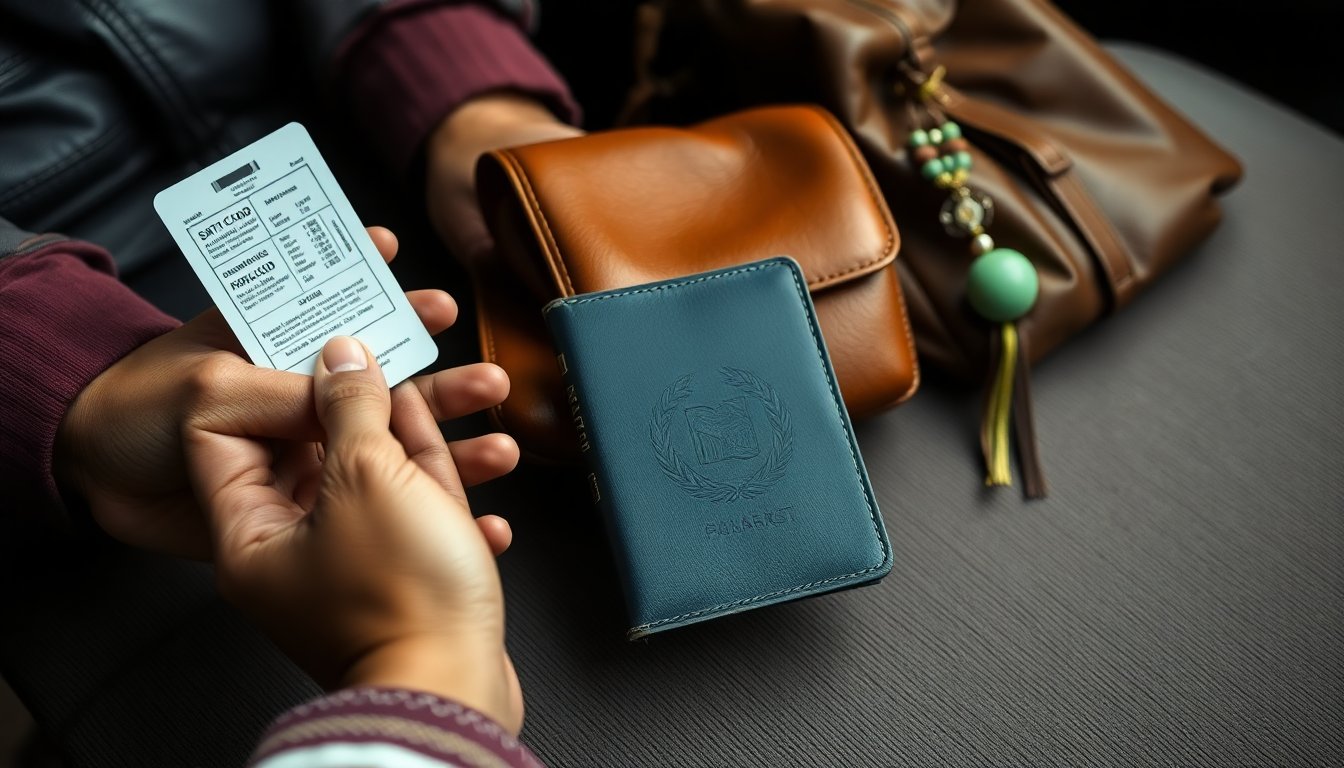
Federal records and internal guidance show the federal government has quietly tightened its travel advice for people registered under the Indian Act. Where government materials once suggested First Nations members could use their status cards to cross into the United States for work, study, retirement, investment and immigration, the updated advisory now tells travellers to bring a passport in addition to a status card. The change shifts the tone from broad reassurance to cautious pragmatism: status cards — including the Secure Certificate of Indian Status (commonly called a status card) — may be accepted at some land and water crossings, but final decisions rest with U.S. officials.
What changed
– Older guidance presented status cards as a reliable basis for cross-border entry for many purposes. New materials replace blanket statements with conditional wording and a clear recommendation to carry a passport as backup.
– The update explains that neither standard status cards nor secure status cards are accepted for air travel. It also notes that many secure cards issued or renewed since February 2019 include a machine-readable field intended to ease processing — but that feature does not guarantee acceptance.
– The emphasis of the advisory is practical: prepare for the unpredictability of inspections at ports of entry rather than suggesting any change to legal entitlements or treaty rights.
The evidence
Files reviewed by this investigation repeatedly differentiate between travel modes and types of documentation. Secure cards with machine-readable fields exist, and officials describe that technical improvement as helpful for processing. Still, the advisory repeatedly underscores that U.S. border officers retain discretion at land and water crossings, and that travellers should not rely on status documentation alone — particularly for flights, where status cards are not treated as valid travel documents.
How the change appears to have unfolded
Internal notes suggest the technical upgrade to secure cards came first — the introduction of machine-readable fields starting in February 2019. That was followed by a public clarification about how documents are likely to be handled at border checkpoints. The record points to an operational update rather than a legal overhaul: officials adjusted public-facing guidance to reflect on-the-ground realities rather than rewriting rights or statutes.
Who’s involved
– Federal departments that issue status documents drafted the updated wording and oversee emergency replacement services.
– U.S. Customs and Border Protection, and other U.S. agencies, figure as the decision-makers at ports of entry.
– First Nations travellers and community leaders are the most affected stakeholders, and advocacy groups have been active in responding.
What this means for travellers
The practical fallout is immediate and simple: expect to carry more paperwork. For air travel, bring a passport. For land or water crossings, bring a passport along with your status card and, where possible, supporting documents that confirm lineage or community membership. Community leaders warn that technical upgrades to cards haven’t erased the risk of inconsistent treatment at some crossings.
Community reaction and treaty concerns
Indigenous leaders have voiced sharp objections to the advisory. Grand Chief Cody Diabo of the Mohawk Council of Kahnawake — co-chair of the Jay Treaty Border Alliance — has argued that Ottawa should affirm cross-border rights rather than tell members what documents they must carry. The Jay Treaty, acknowledged by the United States though not formally recognized by Canada, is cited by some as affirming the right of certain Indigenous people born in Canada to cross the border for multiple purposes. Advocates contend that administrative instructions should not stand in for treaty-based protections.
Local reports and enforcement patterns
Across several communities, leaders and legal clinics have collected accounts of travellers being stopped, questioned, temporarily detained, and in some cases having status cards confiscated or damaged. Those incidents triggered local advisories and outreach: municipal notices, community bulletins and social media posts advising members to expect delays and to carry multiple proofs of identity. Legal clinics and tribal offices are posting step-by-step guides on what to present and how to report incidents.
Practical steps being promoted by communities
– Carry multiple documents: a passport (if you have one), a long-form birth certificate, secure status card, a familial lineage letter or community membership letter, and any tribal IDs.
– Keep originals and certified copies together and accessible to avoid fumbling at the checkpoint.
– Have contact information for community legal clinics and hotlines handy.
Tribal advocates are also organizing role-play sessions and plain-language guides to help younger and less-experienced travellers.
Emergency measures and federal assistance
Indigenous Services Canada has acknowledged incidents where cards were seized or damaged and says it can issue emergency cards or expedite replacements. But the department also cautions that the presence of machine-readable technology on secure cards does not guarantee smooth processing everywhere. Its practical advice mirrors that of community organizations: carry a passport whenever possible.
What changed
– Older guidance presented status cards as a reliable basis for cross-border entry for many purposes. New materials replace blanket statements with conditional wording and a clear recommendation to carry a passport as backup.
– The update explains that neither standard status cards nor secure status cards are accepted for air travel. It also notes that many secure cards issued or renewed since February 2019 include a machine-readable field intended to ease processing — but that feature does not guarantee acceptance.
– The emphasis of the advisory is practical: prepare for the unpredictability of inspections at ports of entry rather than suggesting any change to legal entitlements or treaty rights.0
What changed
– Older guidance presented status cards as a reliable basis for cross-border entry for many purposes. New materials replace blanket statements with conditional wording and a clear recommendation to carry a passport as backup.
– The update explains that neither standard status cards nor secure status cards are accepted for air travel. It also notes that many secure cards issued or renewed since February 2019 include a machine-readable field intended to ease processing — but that feature does not guarantee acceptance.
– The emphasis of the advisory is practical: prepare for the unpredictability of inspections at ports of entry rather than suggesting any change to legal entitlements or treaty rights.1