
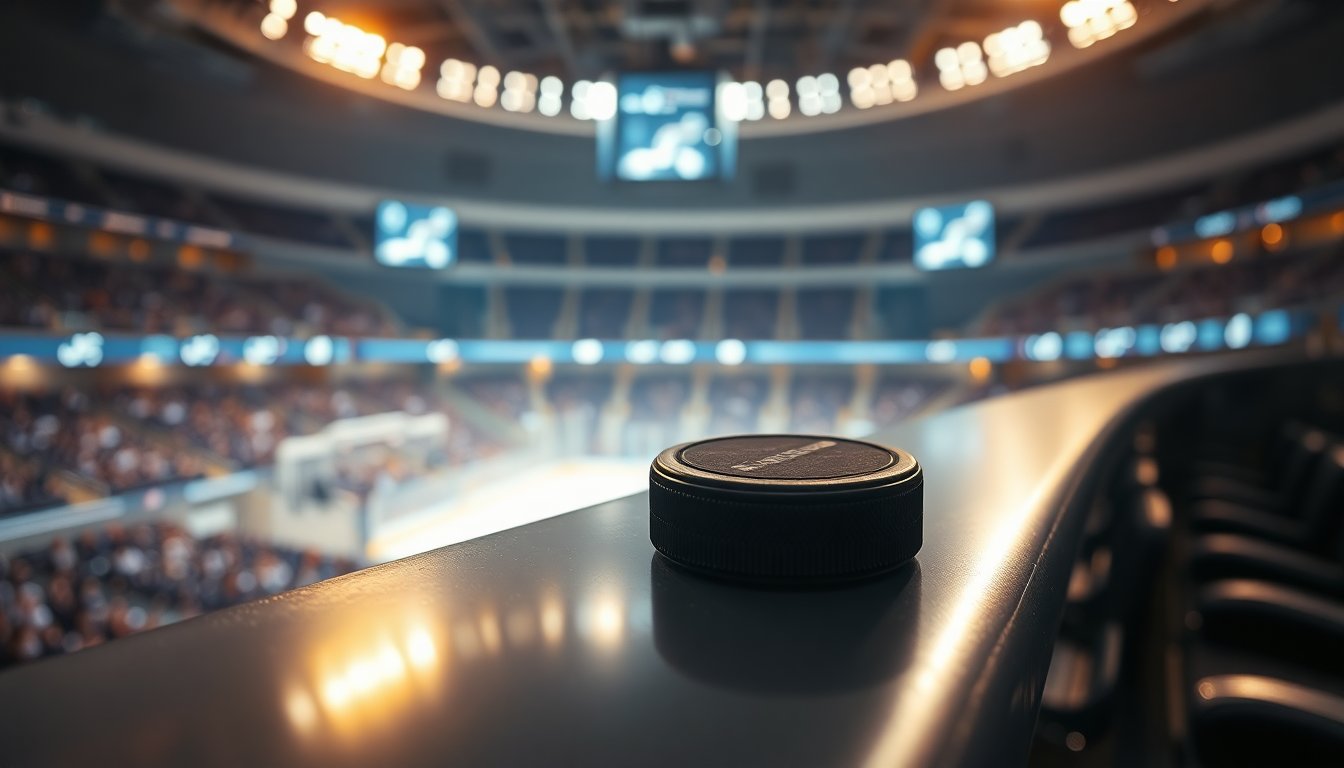
When Madison Square Garden hosted the New York Sirens and Seattle Torrent, 18,006 fans filled the seats on April 4, creating a milestone for the PWHL in the United States. For veteran executive Stan Kasten, who first stepped into the Garden in 1968 and now advises the league, the night represented more than a single packed arena: it was a proof point for a deliberate strategy to plant the league in the city that can unlock coveted U.S. broadcast rights. Kasten, who has led major franchises and serves on the PWHL advisory board, frames New York as an essential market in the league’s long‑term plan.
That achievement came after a bumpy start. The PWHL began play in January 2026, and the New York club has endured weeks with sparse attendance — including one March night in Connecticut that drew just 728 fans. League leaders describe the early phase as startup mode, a period of heavy investment and experimentation. Still, executives insist on persistence in New York because they see the city as critical to attracting national media partners and corporate sponsors, even if the market requires patience and financial loss in the near term.
Building the New York foundation
Creating a team in a few months required more than recruiting players. General manager Pascal Daoust arrived a few months before the Jan. 1, 2026 puck drop and helped assemble everything from staff to furniture, describing the early work as equal parts hockey operations and office construction. The league launched six franchises in about six months, an accelerated rollout that NHL commissioner Gary Bettman warned might be rushed. Venues were a scramble in that first season, forcing the Sirens to split home dates among Connecticut, New Jersey and New York before moving to the Prudential Center full time. Training shifted to Essex County Codey Arena, the Devils’ former practice site, and the organization has pivoted from logistics to focusing more fully on on‑ice performance.
Marketing and roster choices
Off the ice, the club leaned on young, high‑profile talent to raise awareness. Top draft selections such as Sarah Fillier, Kristýna Kaltounková and Manhattan‑born Casey O’Brien anchored the roster, and marketing efforts included visible out‑of‑home campaigns that put players’ faces into subway and street advertising. The league also aimed to use the Winter Olympics as a promotional launchpad, a strategy amplified when Team USA won gold in February — a result that unexpectedly boosted interest across American markets and created momentum that the PWHL moved to capture.
The Madison Square Garden milestone
The packed Garden was not simply a large crowd; it was a concentrated demonstration that the PWHL can draw a substantial audience in a marquee venue. Beyond the figure of 18,006, league staff noted how fans lingered after an overtime win to cheer the team and join a staff photo on the ice — a sign of engagement that GM Daoust described as more than a one‑off. Locally, the Sirens have also seen encouraging turnouts at the Prudential Center, where more than 6,200 fans watched a weeknight victory over the Toronto Sceptres, indicating the potential to translate a single big event into stronger regular‑season support.
Regional ripple effects
The post‑Olympics energy spread beyond New York. A week after the Garden sellout, the Boston Fleet and Montreal Victoire played in a sold‑out TD Garden, while the Minnesota Frost registered more than 11,000 fans at Grand Casino Arena and the Seattle Torrent peaked at over 17,000. Those spikes helped the league secure a national U.S. broadcast arrangement for the Walter Cup Finals on ION through Scripps Sports, and existing Canadian rights remain with networks including CBC, TSN and Sportsnet as well as streaming partners like Amazon Prime.
Expansion and the road ahead
The PWHL plans further growth, with between two and four franchises expected to join before the next season. The league announced Vancouver and Seattle as additions last April and is accelerating expansion to build the footprint needed to attract larger media deals. Executives acknowledge the financial reality — losses in the short term as they invest in markets and player jobs — but frame that cost as necessary. As Kasten puts it, investing now means the league can reach the broader commercial scale that will sustain players and bring more games to arenas like Madison Square Garden.
Players and staff sounded both energized and realistic. After the Garden victory, forward Sarah Fillier said she hopes the team returns to the venue, an aspiration that mirrors the league’s wider aim: convert standout nights into a stable, nationwide audience. The PWHL’s strategy blends careful city‑level work in places like New York with faster expansion elsewhere, all in pursuit of the broadcast and sponsorship deals that will turn an early era of spending into a sustainable professional league for women’s hockey.


