
Table of Contents
Iraq faces a political standoff after November elections
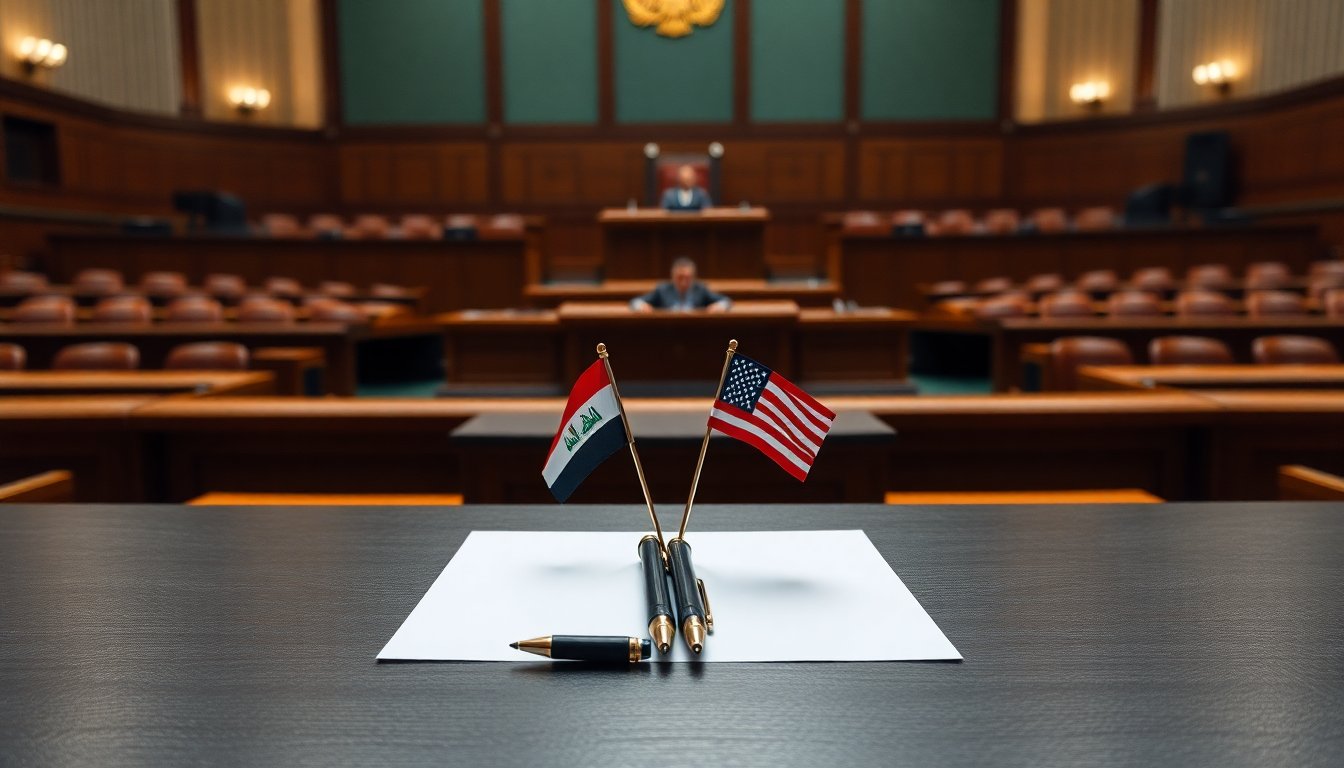
The Iraqi political system remains deadlocked following the general elections in November. Parliamentary blocs named a candidate to lead the next cabinet. That choice has encountered strong opposition from the United States, producing an impasse that leaves Iraq without an accepted executive team. The dispute has intensified debates over sovereignty, foreign influence and factional strategy.
The candidate and the immediate dispute
The parliamentary coalition has proposed Nouri al-Maliki, a former prime minister, as the preferred candidate for prime minister. Supporters highlight his institutional experience and knowledge of state structures. Opponents cite governance failures during his earlier terms and argue his prominence risks closer alignment with regional patrons. The contest has become a proxy for a broader debate over Iraq’s foreign orientation and internal accountability.
I’ve seen too many political projects falter because leaders ignore basic governance metrics. That perspective sharpens the current dispute over competence versus continuity.
How international pressure shaped the impasse
Washington publicly signalled strong disapproval of the candidate. US officials cited concerns about Iraq’s foreign-policy trajectory and assessments of crisis-management capacity. Those interventions recalibrated coalition calculations inside Baghdad and widened fissures among Shi’ite parties and other blocs.
US influence and Iraqi sovereignty
The United States retains diplomatic, security and economic ties that give it leverage over Baghdad’s choices. High-level communications and security cooperation carry weight with key Iraqi actors. Iraqi leaders, however, invoke sovereignty to resist perceived external interference, creating a persistent tension between pragmatic partnership and nationalist sentiment.
Domestic fault lines and regional implications
The nomination divided the larger Shi’ite coalition that advanced the candidate. Some members are reconsidering their support and exploring compromise options. Kurdish and Sunni blocs are assessing political responses while weighing fiscal and security risks. Extended paralysis risks eroding public confidence and could increase the chance of unrest.
Regional rivals and armed groups with external patrons mean Iraqi leadership choices have cross-border effects. Shifts in Baghdad can alter negotiations, security arrangements and economic ties across the region.
Paths out of the deadlock
Possible resolutions include a negotiated parliamentary compromise, a consensus nominee acceptable to a broader range of blocs, or a restructured cabinet and power-sharing deal. Sustained external pressure could sway key kingmakers, but such moves risk triggering nationalist backlash and deeper factional fragmentation. The outcome will hinge on whether domestic coalitions privilege governance and stability over symbolic victories, and on how external actors calibrate influence without further unsettling Iraqi dynamics.
The standoff now tests whether Iraq’s political actors can translate bargaining power into a functioning cabinet while managing regional spillovers and rebuilding public trust.