
Table of Contents
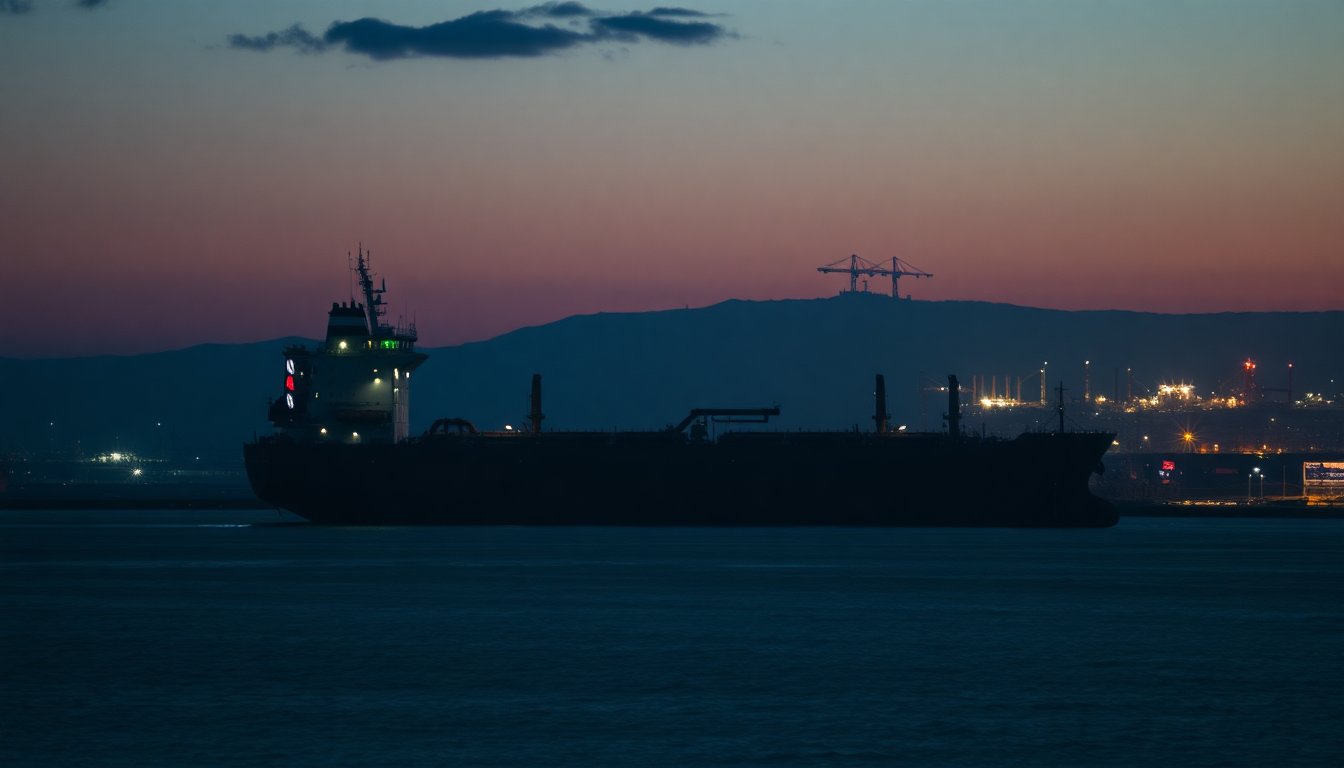
The United States has allowed a Russian tanker, identified as the Anatoly Kolodkin, to approach Cuba with an estimated 730,000 barrels of crude oil, a move that marks a departure from the administration’s recent pressure campaign. Reports on March 29–30, 2026 indicated the vessel was headed toward the port of Matanzas, and U.S. officials declined to order interception despite having cutters nearby. The decision interrupted an effective fuel blockade that had sharply reduced energy supplies to the island, producing widespread shortages and repeated blackouts.
President Donald Trump, speaking aboard Air Force One, said he had “no problem” with the shipment and framed the allowance as humanitarian — preferring to let oil enter if it alleviates civilian suffering. The tanker is subject to sanctions by the United States, the European Union and the United Kingdom following the war in Ukraine, making the choice to let it proceed notable both operationally and symbolically. Observers are weighing what the move says about enforcement priorities and U.S.-Russia calculations.
How the decision unfolded
Officials and open-source tracking showed the ship carrying crude oil off Cuba’s eastern tip, with expectations it would dock within days. Although the U.S. Coast Guard had vessels in the region that could have attempted to stop or escort the tanker away, Washington opted not to take such action. This contrasts with earlier incidents this year when tankers bound for Cuba were turned away after threats of punitive measures. The change in posture removed an immediate risk of a maritime standoff with Russia while creating uncertainty about the future of the administration’s strategy toward Cuba.
Humanitarian impact and energy calculations
Cuba has endured persistent power outages and severe fuel shortages that have disrupted hospitals, public transport and daily life. Analysts estimate that the crude aboard could yield roughly 180,000 barrels of diesel, which experts say would meet the island’s diesel needs for about nine to ten days. That short window of relief matters in practical terms: emergency services, medical facilities and critical infrastructure can operate more reliably even for a limited period. At the same time, relief from a single shipment does not erase deeper economic strains or the longer-term effects of reduced imports.
What the numbers mean
The conversion figure is an operational estimate — an approximation of how much refined product can be derived from a crude cargo — and it highlights the limited but tangible nature of the relief. A single delivery can ease immediate pressure but is insufficient to change the underlying trajectory of Cuba’s fuel reserves without sustained resupply. Humanitarian advocates and some international organizations have criticized the U.S. posture that precipitated shortages, while U.S. officials argue sanctions and restrictions target the government rather than ordinary citizens.
Geopolitics and rhetoric
The episode sits at the intersection of humanitarian concern and geopolitical signaling. Allowing a sanctioned Russian vessel to deliver fuel reduces the potential for an acute confrontation between Washington and Moscow at sea, but it also demonstrates that Cuba retains access to allies willing to test limits. President Trump downplayed strategic gain for Russia, saying a single ship would not materially shift the balance. Meanwhile, senior U.S. officials have publicly declared an intent to pressure Cuba’s leadership toward political change, and Cuban authorities have emphasized readiness to defend sovereignty amid threats.
Implications for future enforcement
The choice not to interdict this tanker raises questions about consistency: will similar shipments be permitted going forward, or was this a one-off concession to avoid escalation? Legal and diplomatic constraints, the presence of third-country vessels, and the risk of a naval incident all factor into future decisions. For Cubans, the immediate concern is whether the short-term easing will translate into reliable access to fuel and electricity or simply postpone the next energy crisis.
In sum, the U.S. decision to let the Anatoly Kolodkin approach Matanzas represents both a tactical de-escalation and a moment of ambiguity. The shipment provides limited but meaningful relief to a population coping with daily shortages, while leaving unresolved the broader questions about sanctions policy, humanitarian impact and the strategic relationship among the United States, Russia and Cuba.