
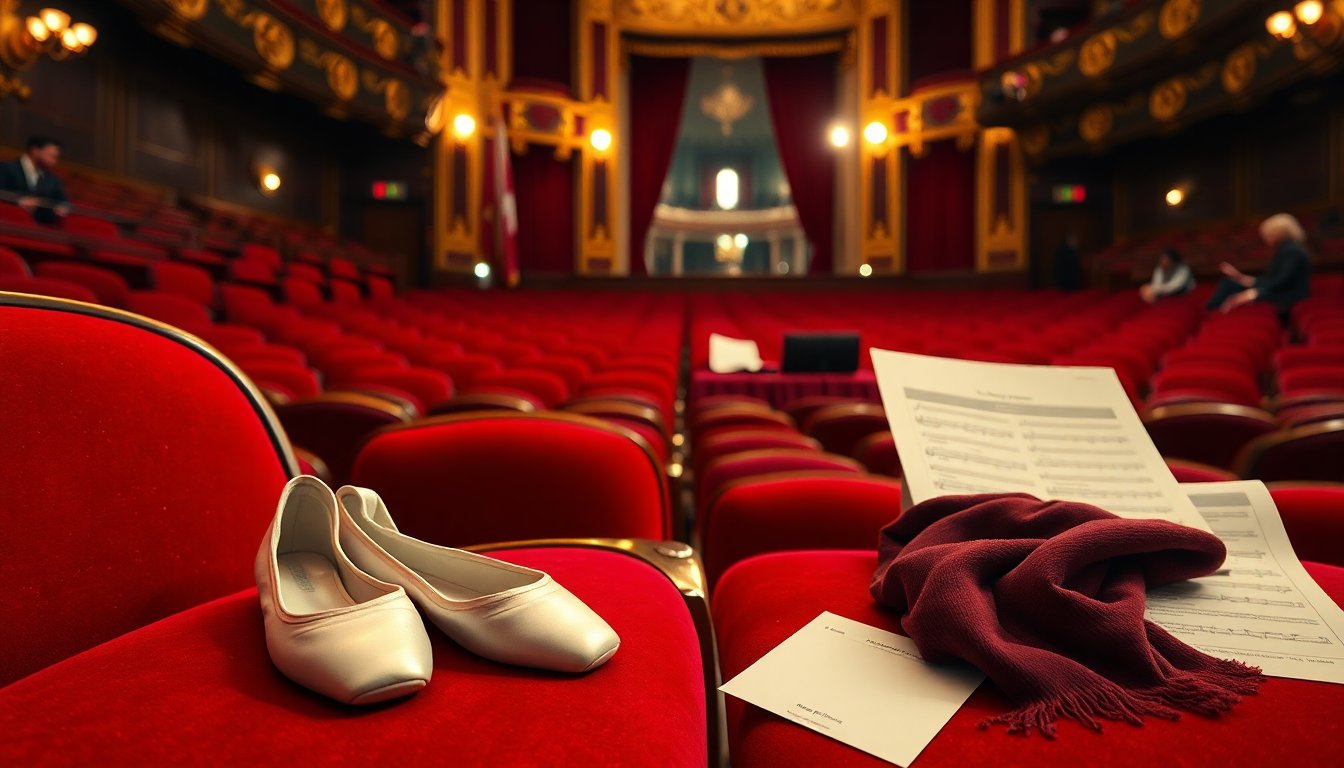
Timothée Chalamet’s throwaway line about “nobody caring” for ballet and opera has sparked a louder conversation than the actor probably intended. At a recent town hall he suggested he didn’t want to join projects that exist mainly to “keep something alive” when few people engage with them — and the reaction was immediate: cheers from some corners, outrage from others, and a wider debate about who classical performing arts are for today.
Why the fuss? For supporters of Chalamet’s point, his bluntness simply names a reality many feel: attendance has slipped, public attention is fragmented, and some institutions struggle to stay relevant. For defenders of ballet and opera, the remark shrugged off decades of training, deep craftsmanship, and cultural traditions that have shaped performance practice for centuries. That clash — between stewardship of tradition and the need to connect with new audiences — now sits at the center of the dispute.
What he said and how people responded
At the event, Chalamet framed his position around relevance rather than artistic merit: if a project exists chiefly to preserve itself with little public engagement, he’d rather steer clear. Performers and cultural figures fired back, arguing his comment was dismissive of disciplines that require years of rigorous training and institutional support. Ballet dancers and opera singers, they pointed out, are not only artists but the product of long pipelines of technique, mentorship and funding.
Supporters countered that his critique targeted institutions’ outreach and programming choices, not the intrinsic value of the arts. They warned that stubbornly clinging to old models risks shrinking audiences — and budgets — while failing to adapt to how people discover and consume culture today. The exchange crystallized an ongoing debate: should these art forms preserve their standards above all, or adjust how they present themselves to invite new spectators in?
How audiences and cultural prominence shifted
Once, household names in ballet and opera — think Mikhail Baryshnikov or Luciano Pavarotti — crossed into mainstream visibility through television, radio and mass-market anthologies. Those channels created cultural moments that made classical performers broadly recognizable. Now, three big shifts have altered that landscape:
- – Media fragmentation: Entertainment splintered into countless niche outlets and platforms, diffusing attention.
- Programming and broadcast changes: Public and commercial broadcasters gave less airtime to classical performance.
- Institutional concentration: Live classical music and dance increasingly live in specialized venues and circuits, reducing incidental exposure for casual audiences.
Responsibility for relevance is shared. Artists can change how they promote and present work; institutions and funders decide programming and where money flows; audiences, through what they choose to watch and attend, ultimately shape demand. Restoring broader recognition won’t happen from one celebrity or one director alone — it needs coordinated effort across the ecosystem.
Funding, grants and institutional protection
Public subsidies and private philanthropy keep many companies afloat and enable experimentation. Yet grant incentives can skew programming toward projects that impress panels rather than attract general audiences. At the same time, endowments, residencies and long-term staffing maintain technical excellence — but can also make organizations inward-looking, serving specialists more than newcomers.
Short-term viral attention doesn’t pay the bills. Sustainable models often come from steady audiences, predictable funding and retention strategies — not from the occasional headline. Practical moves could change the balance: dedicating part of grant funds to audience development, adopting tiered pricing, forging community partnerships, and tracking retention metrics alongside reach. When funders and managers tie some support to demonstrable audience-building, ambitious work can coexist with accessibility.
Elitism, signaling and who art serves
A recurring critique is that some institutions program as a way to signal prestige to donors and critics rather than to grow public engagement. That kind of cultural signaling can make venues feel exclusive and alienate people who haven’t grown up with classical repertoire. Defenders of current approaches argue that widening representation and experimenting with form are essential steps toward long-term relevance — even if the transition is messy.
The tension is as much about incentives as it is about aesthetics. Grants that remove financial risk enable risky and important artistic ventures, but they can also reduce the pressure to develop sustainable audience strategies. Borrowing thinking from product management — measuring retention, lifetime value and acquisition cost — can help arts organizations see which experiments actually build repeat attendance rather than fleeting buzz.
Why the fuss? For supporters of Chalamet’s point, his bluntness simply names a reality many feel: attendance has slipped, public attention is fragmented, and some institutions struggle to stay relevant. For defenders of ballet and opera, the remark shrugged off decades of training, deep craftsmanship, and cultural traditions that have shaped performance practice for centuries. That clash — between stewardship of tradition and the need to connect with new audiences — now sits at the center of the dispute.0
Why the fuss? For supporters of Chalamet’s point, his bluntness simply names a reality many feel: attendance has slipped, public attention is fragmented, and some institutions struggle to stay relevant. For defenders of ballet and opera, the remark shrugged off decades of training, deep craftsmanship, and cultural traditions that have shaped performance practice for centuries. That clash — between stewardship of tradition and the need to connect with new audiences — now sits at the center of the dispute.1
Why the fuss? For supporters of Chalamet’s point, his bluntness simply names a reality many feel: attendance has slipped, public attention is fragmented, and some institutions struggle to stay relevant. For defenders of ballet and opera, the remark shrugged off decades of training, deep craftsmanship, and cultural traditions that have shaped performance practice for centuries. That clash — between stewardship of tradition and the need to connect with new audiences — now sits at the center of the dispute.2
Why the fuss? For supporters of Chalamet’s point, his bluntness simply names a reality many feel: attendance has slipped, public attention is fragmented, and some institutions struggle to stay relevant. For defenders of ballet and opera, the remark shrugged off decades of training, deep craftsmanship, and cultural traditions that have shaped performance practice for centuries. That clash — between stewardship of tradition and the need to connect with new audiences — now sits at the center of the dispute.3