
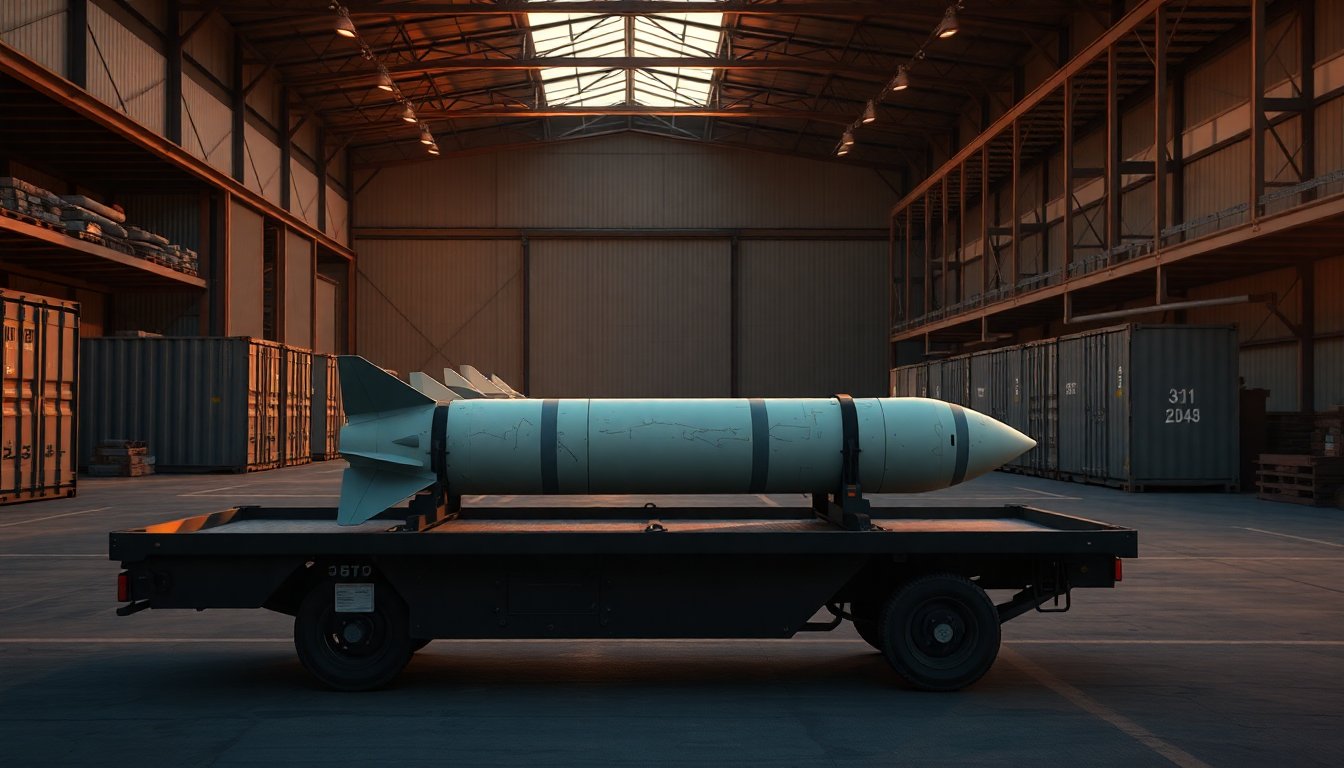
U.S. missile inventories are shrinking. Operations tied to Iran, transfers to partners, and repeated deployments to reassure allies are pulling missiles and interceptors out of storage faster than industry can replenish them. The result is a thinner safety margin and fewer strategic choices for commanders just when demands are rising across multiple theaters.
Why this matters
High operational tempo—airstrikes, allied resupplies and forward deployments—has steadily eaten into both offensive and defensive stocks. When buffers that were meant to absorb shocks are depleted quickly, weak points in production, transport and logistics become obvious almost overnight. Factory capacity is limited, component lead times are long, and supply-chain disruptions can take months or years to fix. That gap narrows options for leaders if a crisis escalates.
How consumption is outpacing production
Simply put, the military is burning missiles faster than they can be built. Output for interceptors and cruise missiles has increased, but it still trails the cumulative rate of use. Speeding up deliveries by compressing certifications or quality checks might seem tempting, but that risks defects that would undermine long-term reliability and safety.
Key bottlenecks
– Complex, multi-stage manufacturing that depends on specialist suppliers. – Shortages of skilled technicians and long lead times for critical components. – Regulatory hurdles and export controls that stretch procurement cycles.
Three hard choices
Policymakers and industry face three unappealing options: accept longer replenishment timelines; invest heavily to expand capacity (which requires relaxed schedules and carries quality risks); or reduce operational tempo to conserve munitions. Each path brings political, fiscal and oversight trade-offs that must be weighed carefully.
Where the strain is most visible
The pressure is most acute in naval magazines and forward-deployed stocks. Recent operations reportedly consumed thousands of Tomahawk cruise missiles and many Standard-family interceptors. Public estimates put remaining Tomahawk inventories at roughly 4,000 as of 2026, while production replaces only a few hundred each year. Every missile fired erodes a ship’s ability to strike or sustain layered defense—the vertical-launch cells don’t refill overnight.
Inventory imbalances are uneven. The U.S. retains relatively larger stocks of some area-defense interceptors, but advanced exo-atmospheric interceptors like the SM-3 are scarce—public reporting suggests only a few hundred rounds. These high-cost missiles function more like strategic reserves than expendable munitions; using them liberally would quickly eat into deterrent capacity.
Operational consequences
Fewer interceptors force difficult trade-offs at sea and ashore. Fleet commanders might operate from farther standoff distances, accept increased risk to high-value units, or rely more on passive defenses. On land, forward bases could lose layers of protection as stocks thin. And cutting training to preserve war reserves creates its own readiness problems down the road.
Short-term fixes and limits
Near-term mitigation will likely lean on burden-sharing with allies, prepositioning munitions at sea, and surge production contracts. Those steps buy time but don’t substitute for a durable industrial response. The real solution requires sustained investment in capacity and supplier resilience.
Metrics to track
Watch monthly interceptor deliveries, factory utilization rates, component lead times, and inventory trends for high-cost systems (for example, SM-3 and Tomahawk counts). These indicators will show whether the shortfall is closing or whether rationing and reallocation are on the horizon.
Why this matters
High operational tempo—airstrikes, allied resupplies and forward deployments—has steadily eaten into both offensive and defensive stocks. When buffers that were meant to absorb shocks are depleted quickly, weak points in production, transport and logistics become obvious almost overnight. Factory capacity is limited, component lead times are long, and supply-chain disruptions can take months or years to fix. That gap narrows options for leaders if a crisis escalates.0