
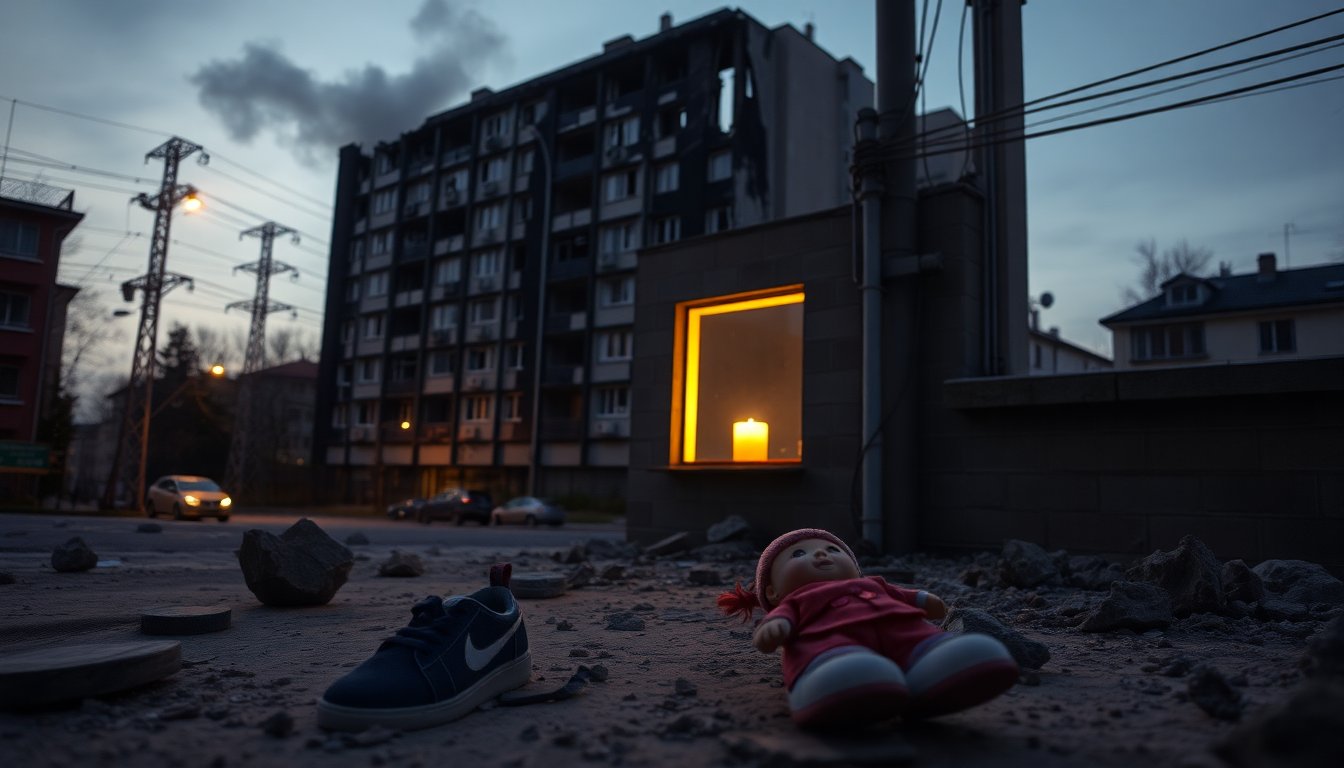
Volodymyr Zelenskyy used the fourth anniversary of Russia’s full-scale invasion to deliver a blunt warning from Kyiv: if international support flags, insecurity across Europe will deepen. He pressed allies for steady military assistance and sustained financial backing, arguing that Moscow’s campaign has evolved into a prolonged effort to erode Ukrainian sovereignty. The anniversary was marked by new Russian strikes on energy infrastructure and population centers—attacks Kyiv says are meant to sap civilian resilience and raise political pressure on Ukraine’s partners.
Why continued support matters
Zelenskyy’s message was simple but urgent: uninterrupted aid keeps the fight on Ukrainian terms and lowers the risk of wider escalation. Military shipments and financial lifelines keep front-line operations running, fund repairs to critical infrastructure, and maintain the logistics that underpin Ukraine’s defense. Experts warn that strikes on power and heating systems are a deliberate tactic to undermine morale at home and patience abroad; without steady support, allied resolve could fray and Russia’s strategic options would expand.
Defense, production and supply chains
Over recent months European states have taken a larger role as suppliers of weapons and logistical aid. New multilateral procurement efforts and shifts in delivery priorities reflect that change. Zelenskyy singled out Canada for continued deliveries and welcomed measures to boost domestic defense production. Strengthening national supply chains not only makes Ukraine more resilient; it advances a wider European goal: reducing dependence on external suppliers and building strategic autonomy.
Corruption concerns and donor confidence
Support for Kyiv is not unconditional. A high-profile procurement scandal has shaken confidence: several senior officials resigned amid allegations of corruption, prompting donors to demand better oversight. Zelenskyy acknowledged the problem, framing it as a governance test amplified by wartime pressures. Partners want fast, transparent investigations and tangible reforms before they commit more funds. The logic is straightforward—visible accountability preserves donor trust and keeps aid flowing.
Balancing security needs and reform
Diplomats are juggling two priorities: meeting urgent battlefield and humanitarian needs while pressing Kyiv to clean up procurement and strengthen institutions. The United States, Ukraine’s largest backer, has long managed this tension—insisting on transparency while keeping assistance intact. Allies see political stability and clean processes not as box-ticking but as the foundations of sustainable, long-term support.
What experts recommend
Governance specialists and legal analysts say quick, public investigations, reinforced auditing, and clearer procurement rules will ease immediate political fallout. The prevailing strategy among reform advocates is targeted institutional fixes combined with operational continuity: pursue anti-corruption measures without interrupting wartime logistics and deliveries.
Diplomacy, deterrence and Moscow’s posture
Zelenskyy described diplomacy as necessary but fragile. He accused Russia of using talks to buy time while continuing offensive operations. That, he argued, makes it essential for world leaders to separate sincere negotiation from stalling tactics and to pair any diplomatic outreach with credible deterrence measures.
The U.S. role and political pressure
Zelenskyy repeatedly praised the United States’ influence in brokering talks and sustaining support, while rejecting any pressure to cede territory. He said Ukrainians might make compromises—but not at the expense of their sovereignty or constitutional rights. Continued U.S. engagement, he implied, is pivotal to keeping allied aid streams open and public backing intact.
Europe’s strategic shift
Across the continent, capitals are reassessing their security posture. A growing consensus favors deeper defense commitments, higher military spending, and greater coordination on procurement to speed delivery and avoid duplication. European leaders have signaled support for expanding the defense-industrial base and accelerating political and military integration—steps meant to deter future aggression as much as to support Ukraine now.
Economic pressure: sanctions and frozen assets
Leaders also emphasize leveraging economic tools: tougher sanctions on Russian energy revenues and legally sound plans for repurposing frozen assets to aid Ukraine’s defense and reconstruction. Coordinating these measures with financial institutions will be essential to ensure funds reach legitimate projects and don’t get bogged down in legal disputes.
Why continued support matters
Zelenskyy’s message was simple but urgent: uninterrupted aid keeps the fight on Ukrainian terms and lowers the risk of wider escalation. Military shipments and financial lifelines keep front-line operations running, fund repairs to critical infrastructure, and maintain the logistics that underpin Ukraine’s defense. Experts warn that strikes on power and heating systems are a deliberate tactic to undermine morale at home and patience abroad; without steady support, allied resolve could fray and Russia’s strategic options would expand.0
Why continued support matters
Zelenskyy’s message was simple but urgent: uninterrupted aid keeps the fight on Ukrainian terms and lowers the risk of wider escalation. Military shipments and financial lifelines keep front-line operations running, fund repairs to critical infrastructure, and maintain the logistics that underpin Ukraine’s defense. Experts warn that strikes on power and heating systems are a deliberate tactic to undermine morale at home and patience abroad; without steady support, allied resolve could fray and Russia’s strategic options would expand.1
Why continued support matters
Zelenskyy’s message was simple but urgent: uninterrupted aid keeps the fight on Ukrainian terms and lowers the risk of wider escalation. Military shipments and financial lifelines keep front-line operations running, fund repairs to critical infrastructure, and maintain the logistics that underpin Ukraine’s defense. Experts warn that strikes on power and heating systems are a deliberate tactic to undermine morale at home and patience abroad; without steady support, allied resolve could fray and Russia’s strategic options would expand.2
Why continued support matters
Zelenskyy’s message was simple but urgent: uninterrupted aid keeps the fight on Ukrainian terms and lowers the risk of wider escalation. Military shipments and financial lifelines keep front-line operations running, fund repairs to critical infrastructure, and maintain the logistics that underpin Ukraine’s defense. Experts warn that strikes on power and heating systems are a deliberate tactic to undermine morale at home and patience abroad; without steady support, allied resolve could fray and Russia’s strategic options would expand.3