
Table of Contents
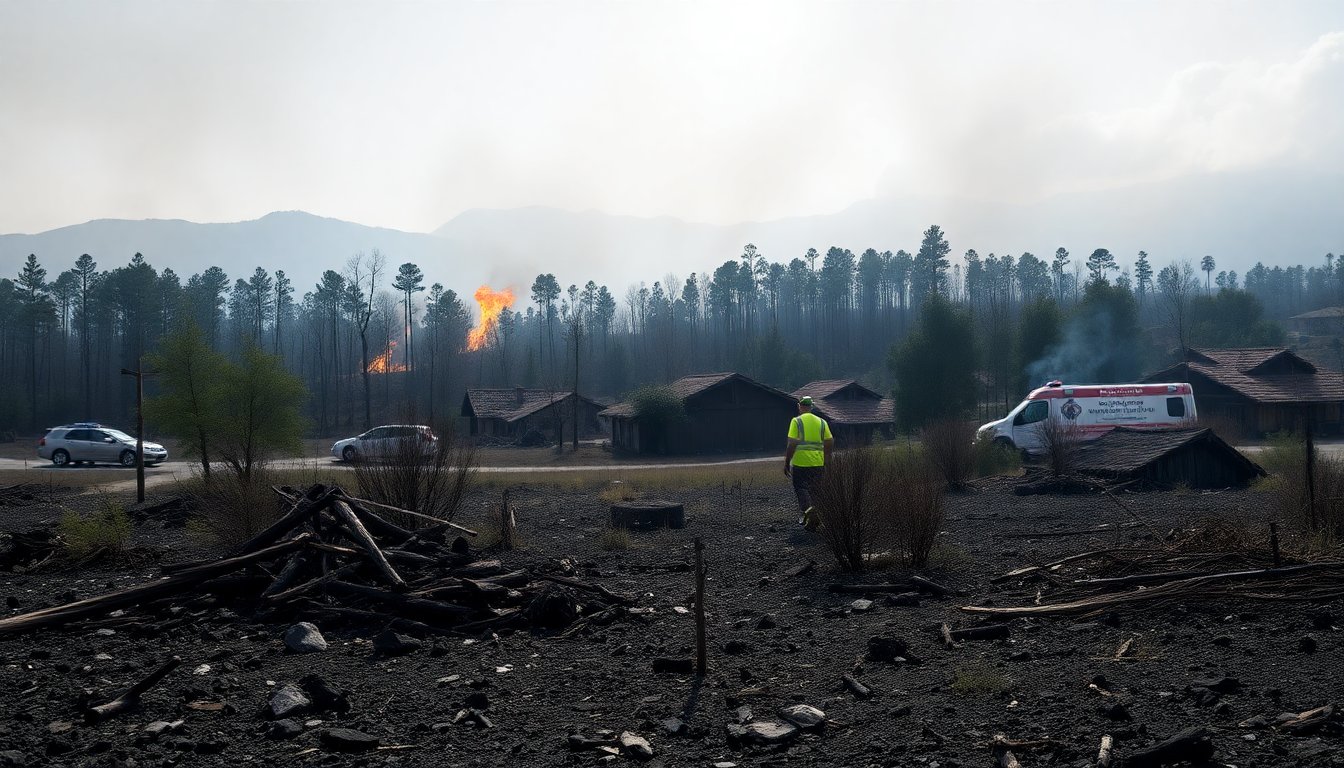
On a devastating Sunday, wildfires swept through central and southern regions of Chile, resulting in at least 18 fatalities and the destruction of countless homes and forests. This catastrophe unfolded as the nation faced an oppressive heatwave, exacerbating the already dire situation. In light of the unfolding crisis, President Gabriel Boric declared a state of catastrophe in the Biobio and Ñuble regions, approximately 300 miles south of the capital city, Santiago.
Emergency measures and firefighting efforts
The declaration of a state of catastrophe facilitates enhanced coordination with military forces to tackle more than 25 active wildfires that have scorched nearly 21,000 acres of land, as reported by the national forestry agency. President Boric addressed the public from the ravaged city of Concepción, emphasizing the urgency of the situation while extending condolences to victims and their families. He warned that the current reports of casualties and damages were likely to rise as more information became available.
Government response and local challenges
During his press conference, Boric estimated that the number of homes affected in the Biobio region could exceed a thousand. The intense flames have already forced around 50,000 residents to evacuate their homes in a desperate bid for safety. Expressing his commitment to the crisis, he noted, “The immediate focus must be on extinguishing the fires, but we must not overlook the human tragedies unfolding here.”
Local authorities, however, voiced frustrations over the delayed response. The mayor of Penco, Rodrigo Vera, expressed his despair on a local radio station, stating, “I have been here for hours witnessing our community burn, yet there is no government presence.” Such sentiments highlight the urgency for immediate assistance and intervention.
Personal accounts from affected residents
As the wildfires raged, many residents were caught off guard, with the flames rapidly engulfing their neighborhoods. One local, John Guzmán, recounted the chaotic night, stating, “The fire took us by surprise after midnight. Many thought it would stop at the forest’s edge, but it spiraled out of control.”
The destruction in Penco was extensive, with fires consuming schools, churches, and vehicles. Thousands of individuals sought refuge in makeshift shelters amid the chaos. Another resident, Juan Lagos, described their harrowing escape: “We fled with our children in the dark, running for our lives.”
Search for the missing and recovery efforts
As firefighters battled the blazes, the tragic toll became apparent, with charred bodies discovered in various locations—fields, homes, and vehicles. Local resident Víctor Burboa lamented, “We recognized many of those we lost; they were part of our community.” The emotional weight of this disaster resonates throughout the affected regions.
Chile experiences seasonal wildfires, with the peak typically occurring in February due to soaring temperatures and prolonged drought conditions. The current crisis recalls the catastrophic fires of 2026, which resulted in the loss of over 130 lives and marked the deadliest natural disaster since a significant earthquake struck in 2010.
Regional implications and international context
While Chile grapples with these ferocious wildfires, neighboring Argentina is also facing challenges, as wildfires have swept through parts of southern Patagonia, destroying thousands of acres of forest. The convergence of extreme weather conditions across both nations highlights the urgent need for effective firefighting strategies and disaster preparedness.
As the situation in Chile evolves, the government has implemented a nighttime curfew in the most affected areas, aiming to manage the chaos and facilitate recovery efforts. Despite the curfew, many residents have taken it upon themselves to clear debris and assist in firefighting efforts, showcasing the resilience of the community in the face of adversity.
The ongoing wildfires serve as a stark reminder of the increasing frequency and intensity of natural disasters exacerbated by climate change. The international community must recognize the importance of collaboration and support in tackling these urgent challenges.