
Overview — why European capitals are worried
On and around March 4, 2026, European governments and senior diplomats raised growing alarm that a stepped-up U.S. military role against Iran could sap both munitions and political energy that Kyiv needs. In brief: rapid, high‑tempo operations in a new theater risk draining precision weapons and air‑defense interceptors, while sustained Washington focus on the Middle East could deprioritize urgent diplomatic and military support for Ukraine.
Two linked dangers
Diplomats describe two related problems. First, logistics: when front‑line demand surges, replacement inventories are eaten quickly and industrial supply chains take time to catch up. Second, politics: senior officials have limited time and attention. A prolonged U.S. engagement elsewhere can slow shuttle diplomacy, sanctions pressure and the high‑level engagement that keeps momentum behind ceasefire or negotiation efforts in Ukraine.
What military officials and analysts say
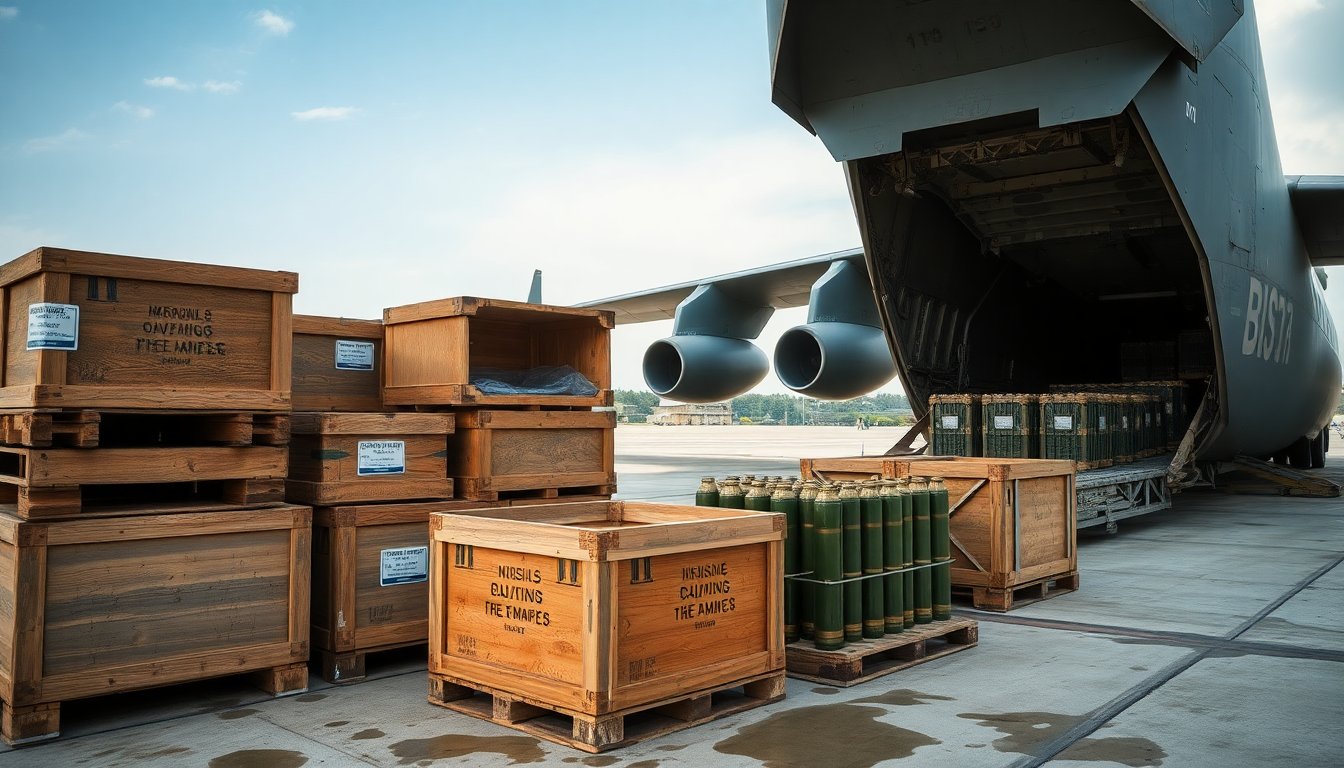
Pentagon sources and independent analysts warn that U.S. and allied operations are drawing down stocks of precision munitions and high‑value interceptors—PAC‑3s and similar systems among them. The department has only limited immediate spare capacity; if significant numbers of interceptors are committed to protecting assets or supporting operations in the Middle East, fewer will be available for forward deployments in Europe. That, officials say, could create risky gaps in Ukraine’s layered air defenses at a sensitive moment.
The implications for Ukraine’s defenses
Ukraine depends heavily on American‑built systems and on steady replenishment from Western stockpiles. Sustained demand outside Europe raises the real possibility of temporary shortfalls in interceptors and other critical items. Military planners emphasize this is a problem of supply chains and procurement speed, not of allied intent. Still, the short‑term effects—reduced coverage for key sites, longer response times, and thinner redundancy—could be acute if inventories are diverted.
National inventories and industrial limits
European defence experts underline the same simple fact: national stockpiles are thin. Many capitals are investing in domestic air‑defense manufacturing, but industrial ramp‑ups and procurement cycles take years. Shortages in the near term are therefore likely if existing supplies are reallocated. Industry sources tell officials that delayed orders increase lead times and push up costs, complicating any rapid scale‑up.
How Kyiv is responding
Faced with potential gaps, Ukraine is already improvising. Authorities have fast‑tracked development of cheaper, scalable drone‑interceptor systems and allied countermeasures. President Volodymyr Zelensky has floated barter‑style exchanges — offering Ukrainian‑made drone‑killers in return for redeployed, used Patriot interceptors — as a stopgap. Ukrainian factories and research teams have accelerated production, prioritizing systems that are affordable and easier to field over scarce, high‑cost interceptors.
Diplomatic consequences and “bandwidth” worries
European diplomats worry that U.S. attention shifted toward a confrontation with Tehran could reduce pressure on Moscow and slow mediation efforts. High‑level diplomacy demands time and political capital; if senior leaders and special envoys are occupied elsewhere, initiatives around ceasefire talks, security guarantees and reconstruction finance may lose momentum. Several European officials report an observable diversion of focus toward the Middle East in recent days.
Contingency measures under consideration
Allies are not standing still. Procurement teams are reviewing options to accelerate deliveries and prioritize critical systems. Contingency plans include redirecting spare parts, expanding logistical hubs, and rerouting supply lines to maintain maintenance schedules. Some partners are exploring creative equipment exchanges and redundancy options to hedge against sudden shortfalls.
Three variables that will shape the outcome
Observers point to three decisive factors: the duration of U.S. military activity in the Middle East; how quickly U.S. and allied stockpiles can be replenished; and Washington’s political focus on Ukraine going forward. If operations are short and resupply is rapid, the disruption will likely be manageable. If the campaign drags on, Europe and Ukraine will need accelerated industrial scaling, inventive supply arrangements, and intensified diplomacy to avoid a dangerous squeeze.
What’s next
Decisions from Washington and EU institutions will determine delivery schedules and the durability of political backing. In the near term, expect short‑term arrangements to bridge gaps while longer‑term procurement and production solutions are negotiated. Governments are actively testing contingency options; procurement reviews are underway and officials say further updates will follow as those reviews conclude.
Two linked dangers
Diplomats describe two related problems. First, logistics: when front‑line demand surges, replacement inventories are eaten quickly and industrial supply chains take time to catch up. Second, politics: senior officials have limited time and attention. A prolonged U.S. engagement elsewhere can slow shuttle diplomacy, sanctions pressure and the high‑level engagement that keeps momentum behind ceasefire or negotiation efforts in Ukraine.0