
Table of Contents
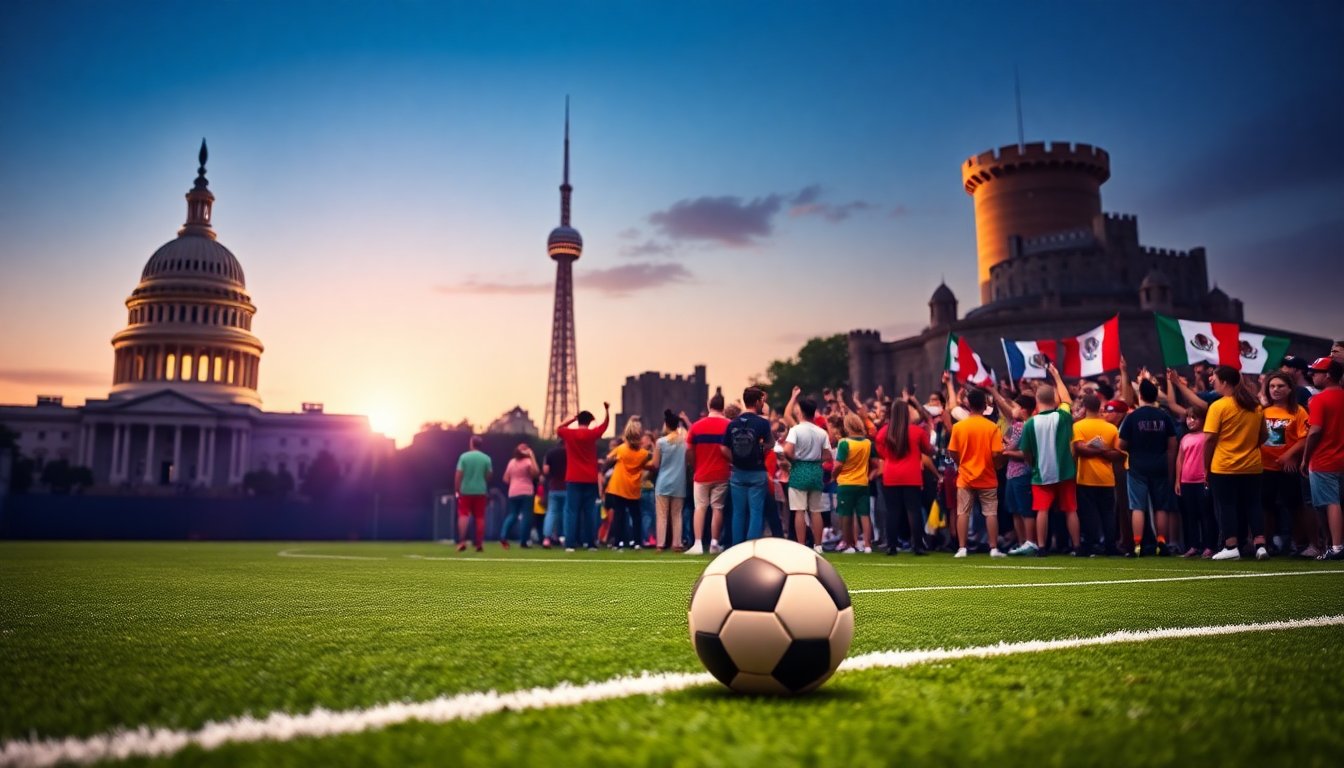
The anticipation surrounding the 2026 FIFA World Cup is palpable as it prepares to mark a significant chapter in the history of international soccer. This tournament will showcase the world’s top football talent across three nations: the United States, Canada, and Mexico. The draw will take place at the prestigious Kennedy Center, with the expected attendance of notable figures, including the President of the United States.
As the first World Cup to feature 48 teams, this edition promises to be more inclusive than ever. The expansion from the traditional 32-team format reflects FIFA’s commitment to global representation in the sport, allowing more nations to participate and demonstrate their talent on an international stage.
Political dimensions of the World Cup
Beyond the excitement of the game, the upcoming World Cup is closely linked to the political landscape of the host countries. The involvement of the President at the tournament draw indicates a strategic move to leverage the event’s popularity for political gain. Engaging with the sports community can enhance the President’s image domestically and foster unity among citizens as they rally behind their national teams.
Leveraging sports for political ends
Sports have long served as a powerful tool for political leaders, providing a platform to connect with the populace. The World Cup presents a significant opportunity for the President to emphasize his administration’s support for sports and international collaboration. By associating himself with such a globally recognized event, the President can increase his visibility and appeal, potentially influencing public opinion as the nation approaches critical elections.
The World Cup is expected to bring economic benefits, including increased tourism and local business revenues during the tournament. As cities prepare to host matches, they are investing in infrastructure improvements and hospitality services, contributing to a positive economic outlook.
A celebration of soccer culture
This World Cup symbolizes not just competition but also a celebration of soccer culture across North America. The tournament will highlight the diverse soccer communities in the participating nations, showcasing local traditions and fan engagement. Each host city will have the opportunity to present its unique culture to the world, enriching the overall experience for players and fans alike.
Community engagement and legacy
The legacy of the World Cup extends beyond the final whistle. Engaging local communities leading up to the event is crucial for fostering a sense of ownership and excitement. Initiatives such as youth soccer programs and community outreach can inspire the next generation of players while creating lasting memories for fans of all ages.
Moreover, efforts to promote inclusivity and accessibility in soccer align with broader social goals. By advocating for diversity within sports, the World Cup can act as a catalyst for change, encouraging underrepresented groups to participate and thrive in the beautiful game.
As the countdown to the 2026 World Cup continues, the tournament symbolizes more than just a sporting event. It represents a unique convergence of politics, culture, and community spirit across North America. By embracing the power of soccer to unite people from different backgrounds, the World Cup stands as a testament to the enduring appeal of the game and its ability to foster connections, both on and off the field.