
Table of Contents
The National Hockey League and the NHL Players’ Association have confirmed that the fourth edition of the World Cup of Hockey will take place in February 2028, with Canada’s portion anchored in Alberta and the European hub in Prague. This edition will see a selection of the world’s top national teams compete in a condensed, high-profile event organized by the NHL and NHLPA. The tournament format—often described as a best-on-best tournament—brings full rosters of NHL talent together under national flags, offering a rare international showdown outside of the Olympics and world championships.
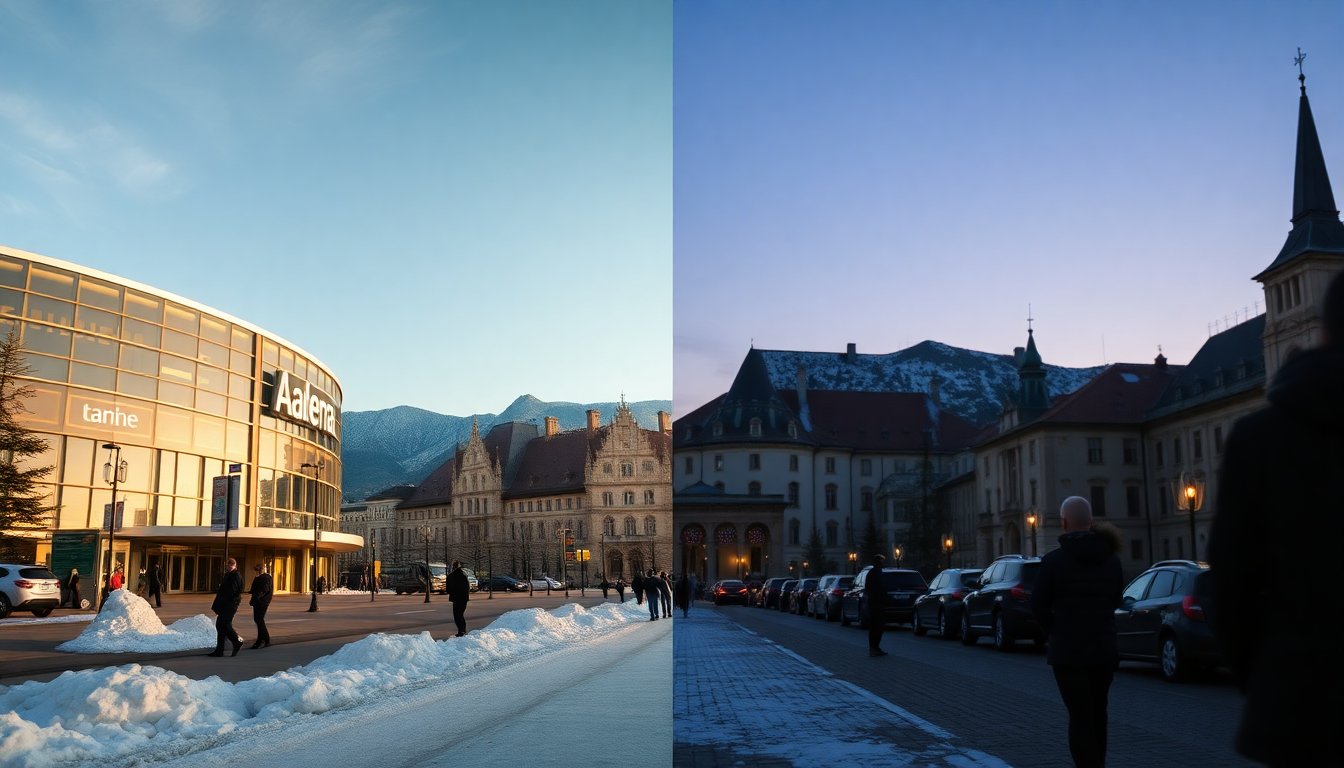
Alberta’s successful bid came from a cooperation between Calgary and Edmonton, with local venues dividing the schedule: seven games in Calgary and the semifinals and final in Edmonton. Across the Atlantic, Prague will host seven games at the O2 Arena, creating two geographic hubs for fans and teams. Organizers say scheduling across North America and Europe is designed to maximize both live attendance and global broadcast windows, while delivering high-quality ice and fan experiences at two established hockey markets.
Venues, schedule and what fans can expect
The plan places seven games at Scotia Place in downtown Calgary, the new home of the Calgary Flames, while Rogers Place in Edmonton will host the tournament’s two semifinal games and the championship match. These venue allocations reflect the province’s capacity to stage major hockey events; Alberta has previously hosted numerous Stanley Cup playoff games and league showcases. The European side centers on Prague’s O2 Arena, a frequent host for elite international matchups, ensuring a familiar stage for fans in Europe.
Beyond the arenas, organizers are preparing ancillary events—fan zones, team practices, and community outreach—that aim to engage both local residents and visiting supporters. The tournament will be a compact affair featuring eight national sides; the participating nations will be announced at a later date. The NHL has framed the event as a global celebration of professional hockey, designed to reunite top players under national banners and to provide a marquee international competition between Olympic cycles.
Context and history of the tournament
The World Cup of Hockey has been staged intermittently: first in 1996, then in 2004 and 2016. Historically it has offered a prestigious platform—the United States won the inaugural 1996 tournament, while Canada lifted the cup in 2004 and 2016. A planned 2026 edition was cancelled amid labour negotiations, and proposals for a 2026 event did not proceed, leaving the tournament’s future uncertain until the recent Alberta–Prague announcement. The 2026 4 Nations Face-Off, another NHL/NHLPA initiative, kept momentum alive; Canada beat the United States 3-2 in overtime when Edmonton Oilers captain Connor McDavid scored the winner.
Significance for the sport
Reviving the World Cup in 2028 signals renewed collaboration between the league and its players and offers a showcase for hockey’s global appeal. For national programs, the event provides a high-stakes environment to test Olympic-style rosters and for fans it delivers blockbuster matchups that are otherwise rare outside the Olympic Games. Organizers emphasize that a successful event can reinforce hockey’s international calendar and provide a template for future competitions.
Local investment, economic expectations and community ties
The Alberta government supported the bid with a financial contribution of $15 million, and provincial leaders highlighted the region’s deep hockey culture as a primary reason to host. Officials estimate the tournament could produce roughly $375 million in economic impact for Alberta, spanning hospitality, tourism, and event services. NHL commissioner Gary Bettman and provincial leaders framed Alberta as a logical host because of its strong fan base and history of staging major hockey events.
Grassroots connection and star power
Beyond the corporate and tourism metrics, the World Cup’s timing intersects with local grassroots initiatives that link professional players and communities. One example is the Ben Stelter School Fundraiser, launched in February 2026, which channels student-led efforts to bring proton therapy access to Canada. That campaign grew from one school raising $11,000 into a program engaging dozens of schools, and it offers participating schools a chance to win visits from stars like Connor McDavid. McDavid’s 2026 visit to Ottewell School exemplified how player appearances can amplify youth fundraising and civic engagement.
Together, the international event and local campaigns underscore hockey’s layered impact: from multi-million-dollar economic forecasts to intimate school-level fundraisers that seek to change medical access for children. As planning proceeds, organizers will release team lists, ticketing details and community programs; for now, the dual-host model in Alberta and Prague sets the stage for a high-profile return of the World Cup of Hockey in February 2028.