
Table of Contents
In a significant development attracting global attention, Yoweri Museveni has been re-elected for a seventh term as Uganda’s president. The electoral commission announced that Museveni received 71.65 percent of the votes in an election held on January 15, 2026. This election has raised numerous concerns, as allegations of manipulation, violence, and widespread repression have emerged.
Election results and challenges
The official results show that Museveni defeated his closest rival, Bobi Wine, a 43-year-old musician-turned-politician, who secured 24.72 percent of the votes. This election was marked by extraordinary circumstances. Reports from the United Nations indicate a climate of widespread repression and intimidation leading up to the elections, resulting in significant unrest and violence.
Violence and unrest during the campaign
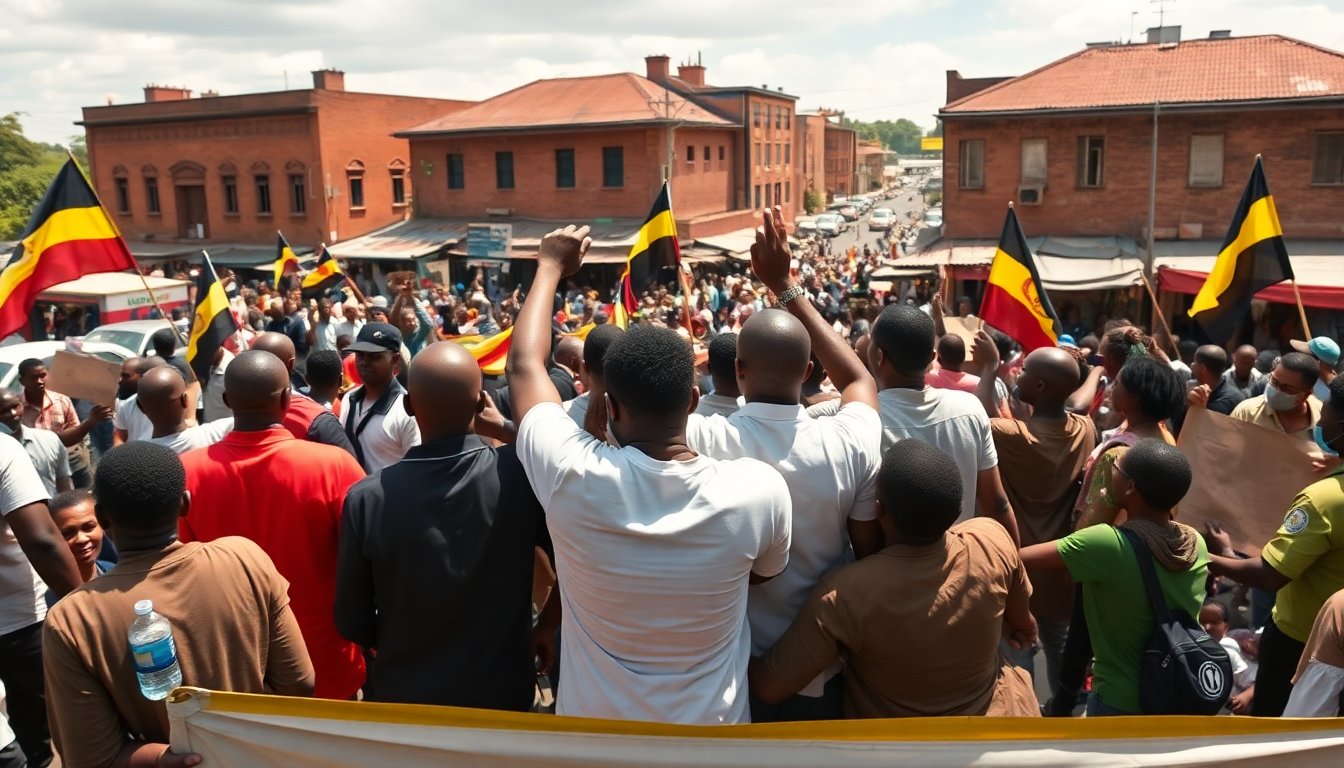
As the election date approached, tensions escalated across Uganda. Security forces reportedly disrupted Bobi Wine’s rallies with violence, deploying tear gas and live ammunition against supporters. Tragically, at least ten individuals died during one incident in Butambala, where police clashed with opposition supporters accused of attacking a police station. The government defended these actions as necessary for maintaining order, while witnesses described the scene as a massacre.
In addition, a nationwide internet blackout was enforced on the eve of the elections, a decision that drew condemnation from human rights organizations. Critics argued that this suppression of communication not only hindered transparency but also intensified suspicions of electoral fraud. Observers from the African Union reported that while they did not witness direct evidence of ballot tampering, allegations of intimidation and arrests of opposition members were widespread.
Political implications and future outlook
Yoweri Museveni, who has led Uganda since 1986, continues to face accusations of authoritarianism. He has amended the constitution to remove age and term limits, solidifying his grip on power. His party, the National Resistance Movement, remains dominant in parliament. However, growing unrest and dissatisfaction among the youth, who are seeking stability and opportunities, present a significant challenge to his administration.
Public sentiment and calls for change
In the lead-up to the election, many Ugandans expressed their frustrations, seeking a political landscape that offers genuine democratic choices. The rise of Bobi Wine as a significant figure in Ugandan politics illustrates a growing discontent with the status quo. His supporters, particularly among the younger generation, are eager for transformative change but encounter major obstacles in a system that appears resistant to such shifts.
As President Museveni’s government consolidates its power, the ongoing struggle for political freedom and human rights remains a critical concern. UNESCO and various international observers have criticized the prevailing atmosphere of fear surrounding the electoral process. They urge the Ugandan government to uphold the rights of its citizens.
Uganda at a crossroads
The recent elections leave Uganda facing significant challenges. President Museveni’s continued rule, coupled with growing public discontent, casts a shadow over the future of democracy in the nation. Observers note that the government’s next actions will be crucial in shaping the political landscape.
International and local communities are closely monitoring the situation. The potential for Uganda to embrace a more inclusive and democratic society hinges on the government’s willingness to address citizens’ grievances. Without meaningful reforms, the country risks remaining trapped in cycles of repression and unrest.