
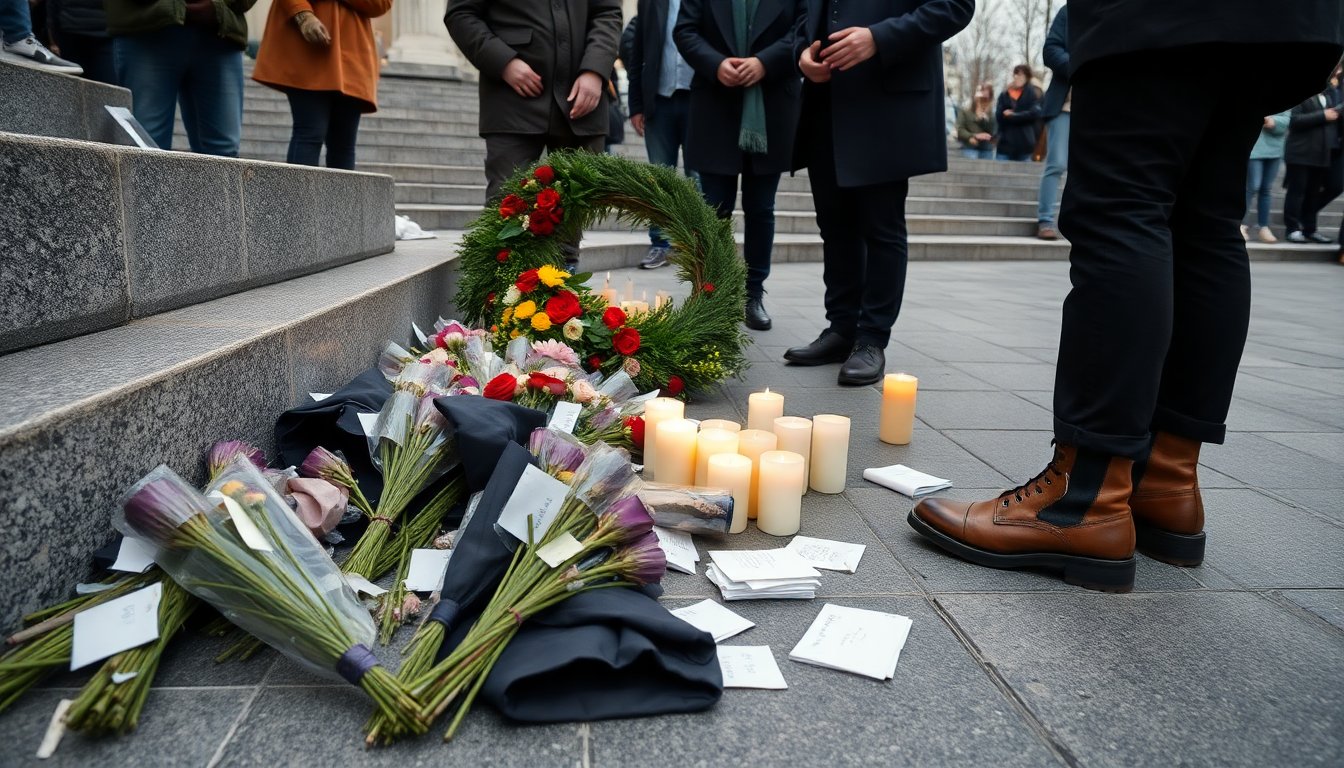
February 24, 2026 — the fourth anniversary of Russia’s full-scale invasion — was marked in Kyiv by quiet grief and a defiant clarity. In a speech that mixed public mourning with pointed diplomacy, President Volodymyr Zelensky made one thing plain: Ukraine will not trade the lives lost for a hollow peace. His address, aimed as much at domestic audiences as at visiting foreign delegations, was a renewed appeal for steady international support.
Across towns and cities, official ceremonies and grassroots vigils tried to broadcast unity and endurance. But that image of cohesion bumped up against fresh cracks in Europe. Hungary’s decision to block a new round of EU sanctions and veto a proposed €90 billion support package exposed how a single member state can stall the bloc’s collective response. Budapest has linked its objection to demands over oil deliveries through the Soviet-era Druzhba pipeline — a bargaining move that has stirred tensions in Brussels and complicated the EU’s ability to act in concert.
Why a single veto matters
Some EU measures, including aspects of sanctions and financial aid, require unanimity. That means one country’s refusal can halt an entire package. The immediate fallout for Kyiv is practical and painful: stalled loans, delayed reconstruction funding and fewer coordinated penalties on Russia. Those gaps can ripple through wartime logistics and hamper long-term rebuilding.
For EU capitals, Hungary’s stance underscores a stark political reality: domestic energy needs and short-term electoral calculations can undercut collective strategy just when unity matters most. The episode is a reminder that geopolitics often rides on local politics — and that the European project can be fragile when member states’ priorities diverge.
Practical implications for businesses and governments
Companies involved in reconstruction, defence supply chains and financial services should assume that regulatory timetables can shift suddenly. When sanctions or loans are put on hold, contract deadlines, cash flows and licensing schedules all change. Firms would do well to revisit risk assessments, strengthen contingency plans and keep close, candid lines of communication with regulators.
Public bodies and international lenders should consider temporary bridging finance and other stopgap measures to prevent critical projects from stalling. Without such buffers, procurement timelines and humanitarian efforts risk unnecessary interruptions.
The pipeline tug-of-war: beyond politics
The Druzhba pipeline has become more than a conduit for oil; it’s a bargaining chip with legal and commercial consequences. Some capitals press for rapid assurances to protect energy supplies, while others insist that any compromise must avoid rewarding coercive behavior. That tug-of-war raises thorny questions about transit rights, contractual obligations and the potential for arbitration.
Energy companies should scrutinize counterparties, review force majeure clauses and map alternate routes. Compliance officers will need airtight documentation to limit exposure. For regulators, swift, clear guidance on notifications and approvals could reduce uncertainty and prevent reputational damage for firms caught between competing national interests.
Don’t cede territory, say Ukrainian leaders
On the anniversary, Kyiv doubled down on its demand that any settlement must respect Ukraine’s territorial integrity and honour the suffering of civilians. Zelensky urged foreign leaders to witness the devastation first-hand — part of a strategy to shape public opinion and stiffen political resolve abroad. He specifically invited high-profile figures, arguing that seeing the damage in person helps counter detached diplomatic calculus.
Ukrainian officials say permanent cessions of land — including parts of Donetsk — are unacceptable because they would abandon hundreds of thousands of civilians living amid the fighting. That stance narrows the set of credible peace options: any negotiated outcome would need robust civilian protections, clear governance arrangements and enforceable verification mechanisms to gain Kyiv’s consent.
Across towns and cities, official ceremonies and grassroots vigils tried to broadcast unity and endurance. But that image of cohesion bumped up against fresh cracks in Europe. Hungary’s decision to block a new round of EU sanctions and veto a proposed €90 billion support package exposed how a single member state can stall the bloc’s collective response. Budapest has linked its objection to demands over oil deliveries through the Soviet-era Druzhba pipeline — a bargaining move that has stirred tensions in Brussels and complicated the EU’s ability to act in concert.0
Across towns and cities, official ceremonies and grassroots vigils tried to broadcast unity and endurance. But that image of cohesion bumped up against fresh cracks in Europe. Hungary’s decision to block a new round of EU sanctions and veto a proposed €90 billion support package exposed how a single member state can stall the bloc’s collective response. Budapest has linked its objection to demands over oil deliveries through the Soviet-era Druzhba pipeline — a bargaining move that has stirred tensions in Brussels and complicated the EU’s ability to act in concert.1