
Table of Contents
Amid ongoing conflict, Ukrainian President Volodymyr Zelenskyy has arrived in Berlin to engage in substantial discussions with U.S. officials regarding the path to peace. The focus of these talks is to ensure that any agreement reached will include strong security guarantees from both the United States and European allies, vital for ending hostilities and maintaining Ukraine’s sovereignty.
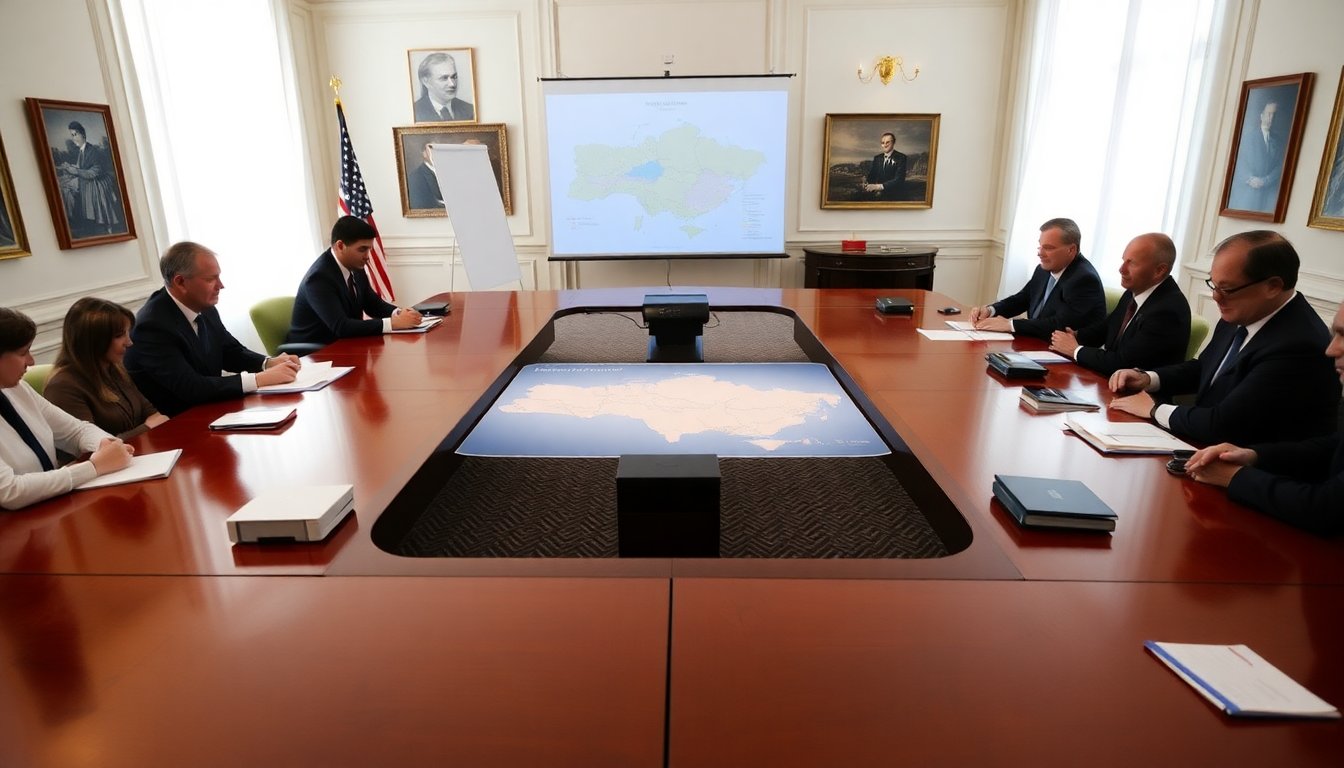
Zelenskyy is set to meet with notable figures including U.S. special envoy Steve Witkoff and Jared Kushner, known for his close ties to former President Donald Trump. These discussions are part of a larger effort to bring together key stakeholders in the ongoing crisis, with meetings planned to take place over the weekend and into the following week.
Importance of security guarantees
During an address to the press, Zelenskyy highlighted the crucial nature of these security guarantees. He articulated that these assurances should be similar to those provided to NATO member states, which would serve as a deterrent against further Russian aggression. “These guarantees are not just formalities; they are essential to prevent another wave of hostility,” he stated, underlining the urgency of the situation.
Legal binding of agreements
In his remarks, the Ukrainian leader stressed the need for such guarantees to be legally binding and supported by the U.S. Congress. He expressed anticipation for updates from his defense team after their discussions with U.S. military officials in Stuttgart, emphasizing the importance of solidifying these agreements.
Zelenskyy noted, “Our negotiation strategy is rooted in a comprehensive political agreement It’s critical that we secure the necessary backing from our allies.” This sentiment reflects the depth of Ukraine’s commitment to achieving a lasting resolution to the conflict.
Upcoming meetings and coalition efforts
The Berlin talks will also feature a high-profile summit that includes European leaders such as UK Prime Minister Keir Starmer, French President Emmanuel Macron, and German Chancellor Friedrich Merz. This gathering signifies a unified European front, eager to assert its relevance in the negotiations surrounding Ukraine’s future.
Chancellor Merz has indicated that the success of these meetings will hinge on the tangible progress made over the weekend discussions. He remarked, “The participation of the United States in the Berlin meeting will largely depend on advancements in these negotiations.”
Challenges in current negotiations
Central to the discussions is a 20-point peace plan that the U.S. has been promoting, which includes proposals for a demilitarized economic zone in the Donbas region. However, a significant point of contention remains the status of territories in eastern Ukraine, which Kyiv is unwilling to relinquish, especially after experiencing Russian occupation.
European leaders have expressed concern that U.S. proposals may favor Moscow, which could impose unacceptable conditions on Ukraine. As negotiations unfold, there is a palpable tension regarding the potential implications for Ukraine should they concede ground, particularly in the Donbas.
Continued hostilities and regional impacts
As peace talks progress, the situation on the ground remains dire. Reports indicate that Russia has launched drone and missile strikes across five Ukrainian regions, targeting critical infrastructure. President Zelenskyy reported that over 450 drones and numerous missiles were deployed, resulting in widespread devastation and power outages across affected areas.
Zelenskyy is set to meet with notable figures including U.S. special envoy Steve Witkoff and Jared Kushner, known for his close ties to former President Donald Trump. These discussions are part of a larger effort to bring together key stakeholders in the ongoing crisis, with meetings planned to take place over the weekend and into the following week.0
Zelenskyy is set to meet with notable figures including U.S. special envoy Steve Witkoff and Jared Kushner, known for his close ties to former President Donald Trump. These discussions are part of a larger effort to bring together key stakeholders in the ongoing crisis, with meetings planned to take place over the weekend and into the following week.1