
Table of Contents
“`html
In a significant development for Ukraine’s ongoing conflict, President Volodymyr Zelenskyy is championing a comprehensive peace strategy aimed at ending hostilities with Russia. This initiative comes as European leaders are set to convene, focusing on the pressing issues surrounding Ukraine’s security and stability. Zelenskyy’s call for international support underscores the complexity of the situation, emphasizing that foreign military presence in Ukraine is vital for ensuring safety and facilitating a potential resolution.
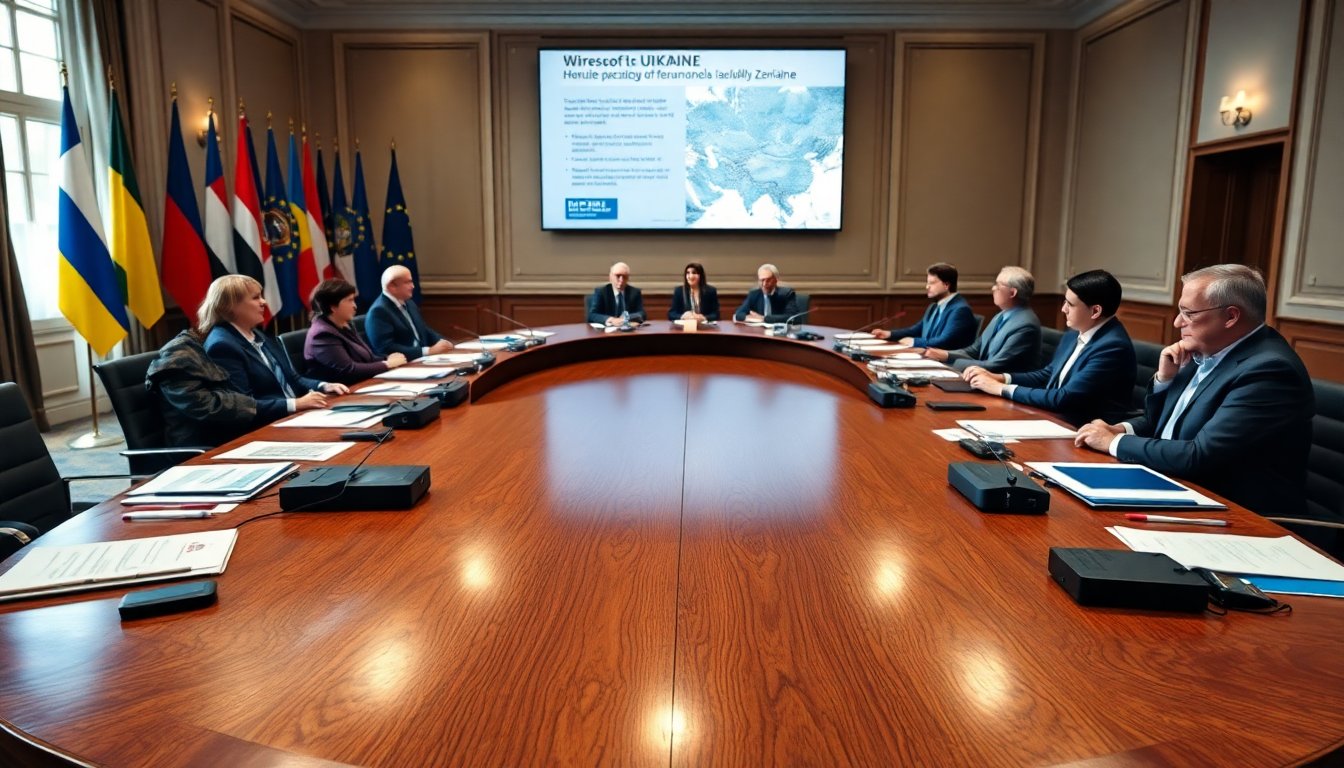
The meeting of national security advisers from allied nations is scheduled to take place in Ukraine, further illustrating the international community’s engagement with the crisis. This gathering aims to explore effective strategies that could aid in stabilizing the region and addressing the ongoing conflict.
Zelenskyy’s perspective on foreign military presence
During a recent press briefing, Zelenskyy articulated his view that the presence of foreign troops is a critical component of any security guarantees offered to Ukraine. He stated, “I believe that international forces are a true security guarantee, reinforcing the assurances our partners have already provided.” This assertion highlights the president’s insistence on external support as an essential measure in the face of continued aggression from Russia.
Implications of foreign military support
The implications of this stance are profound, as it indicates a reliance on international military assistance to bolster Ukraine’s defenses and deter further incursions. Zelenskyy’s remarks resonate with the ongoing discussions about the extent of military aid required to safeguard Ukraine’s sovereignty. Furthermore, with the backdrop of the war’s toll on the country’s infrastructure and civilian life, the need for robust international guarantees is more pressing than ever.
Challenges to achieving peace
Despite the optimistic overtures from Zelenskyy, experts remain skeptical about the prospects for a swift resolution to the conflict. Analyst Pietro Batacchi, director of a defense-oriented publication, posits that hostilities between Ukraine and Russia are likely to continue. He argues that both Zelenskyy and President Vladimir Putin show little inclination to cease fighting, suggesting that the war may transition into a prolonged standoff.
Batacchi notes that while Zelenskyy faces internal challenges, such as corruption scandals, he is also under pressure to maintain a strong front against Russia. The president’s reluctance to concede territory, including the contested Donbass region, is indicative of the difficult balancing act he must perform to keep both international allies and domestic constituents satisfied.
The role of international diplomacy
The involvement of figures such as Donald Trump in mediating discussions between Zelenskyy and Putin adds another layer of complexity to the situation. However, analysts suggest that such diplomatic efforts may not yield immediate breakthroughs, as the entrenched positions of both leaders remain a significant hurdle. The division within the U.S. administration regarding foreign policy complicates the landscape further, as differing viewpoints may hinder cohesive action.
As the conflict drags on, it becomes increasingly evident that neither side is likely to achieve a decisive victory. Batacchi emphasizes that the ongoing support from the West is crucial for Ukraine to withstand pressure from Russia, while Russia’s internal dynamics would be severely affected by a loss in the conflict.
Looking ahead: The future of Ukraine
Looking towards the future, the forecast remains grim, with expectations that fighting will persist. The current military engagements, characterized by drone strikes and missile attacks, illustrate the ongoing volatility of the situation. Ukraine continues to strike deep into Russian territory, targeting critical infrastructure such as oil refineries and supply depots, indicating a fierce resolve to resist.
Zelenskyy’s commitment to seeking peace must be weighed against the realities of warfare, where the battlefield often dictates the terms of engagement. The continuous cycle of retaliation and counter-retaliation suggests that a diplomatic resolution may be a distant goal, overshadowed by the immediate need for security and stability. As the international community watches closely, the developments in Ukraine will remain pivotal for European security and geopolitical dynamics.
“`