
Table of Contents
In a significant development for U.S. foreign relations and justice, Zubayr al-Bakoush has been apprehended and extradited to the United States. He is accused of playing a central role in the tragic events of September 11, 2012, when an attack on the U.S. diplomatic mission in Benghazi, Libya resulted in the deaths of four Americans, including Ambassador Chris Stevens. This recent capture underscores the unwavering commitment of U.S. authorities to seek justice for victims of terrorist acts.
Al-Bakoush’s arrest serves as a reminder that the U.S. government remains vigilant in its pursuit of individuals responsible for attacks against its citizens, regardless of how much time has elapsed. With this latest development, the ongoing saga of the Benghazi attack takes another turn as the legal proceedings against al-Bakoush commence.
Details of the Benghazi attack
On that fateful night in 2012, a mob of over 20 armed militants, equipped with assault rifles and explosives, launched a sustained attack on the U.S. compound. The assault lasted approximately 13 hours and culminated in a series of fires that claimed the lives of Ambassador Stevens, State Department employee Sean Smith, and CIA contractors Glen Doherty and Tyrone Woods. The chaos and violence that characterized the event left a deep scar on U.S. diplomatic relations and raised pressing questions about security measures at overseas facilities.
Political ramifications
The Benghazi incident quickly became a political flashpoint in the United States, with various factions leveraging the tragedy for their agendas. The Obama administration initially faced heavy criticism for its handling of the attack, particularly regarding its security protocols and response strategies. Many Republicans accused the administration of attempting to downplay the assault by mischaracterizing it as a mere protest over a video, rather than acknowledging it as a calculated terrorist attack. This narrative was met with fierce rebuttals from Democrats, who argued that the allegations were politically motivated.
In the aftermath, a congressional investigation revealed substantial security deficiencies at the U.S. facility, which further fueled the debate. However, the inquiry ultimately cleared former Secretary of State Hillary Clinton of any wrongdoing. The political discourse surrounding Benghazi continues to echo in U.S. politics, illustrating the attack’s lasting impact on national security discussions.
Al-Bakoush’s capture and future proceedings
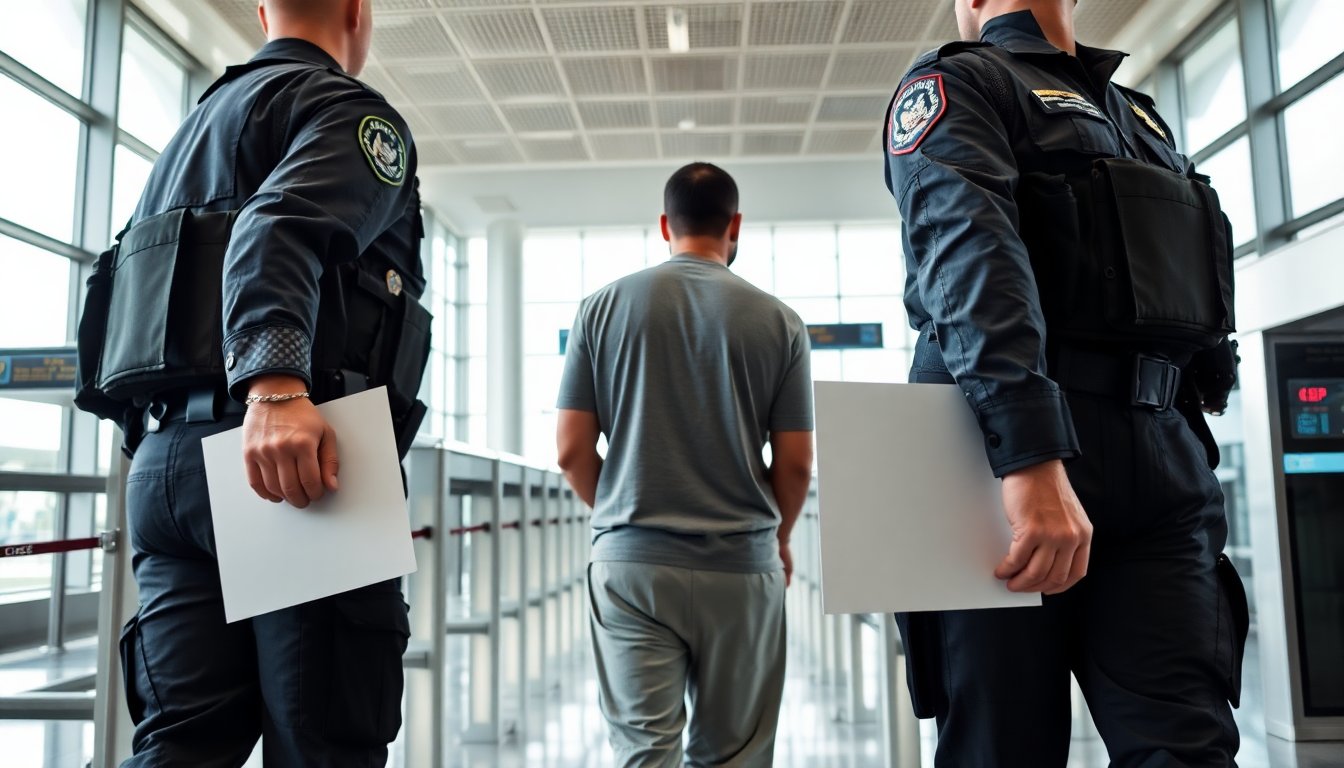
After years of being on the run, al-Bakoush was finally captured and flown to an airfield in Virginia, where he is set to face multiple charges, including murder, attempted murder, arson, and conspiring to support terrorist activities. His indictment was recently unsealed and outlines his involvement in the attack, detailing how he joined the armed group that stormed the diplomatic mission.
During his initial appearance in federal court, al-Bakoush, now in his late fifties and using a wheelchair, expressed confidence in the judicial process. He stated through an interpreter that he trusts the court to deliver justice. As the case unfolds, many are left wondering how it will influence ongoing discussions about U.S. foreign policy and security measures.
The pursuit of justice continues
Al-Bakoush’s arrest is part of a broader commitment by U.S. authorities to hold accountable those responsible for the Benghazi attack. Previous captures of key figures involved in the incident, such as Ahmed Abu Khattala and Mustafa al-Imam, have led to significant convictions, reinforcing the notion that the U.S. will not rest until justice is served. Attorney General Pam Bondi emphasized this determination in a recent press conference, stating that those who commit crimes against Americans will eventually face consequences.
The ongoing legal proceedings against al-Bakoush represent a critical chapter in the quest for justice for the families of the Benghazi victims. As the world watches, the implications of this case will resonate far beyond the courtroom, potentially reshaping U.S. approaches to international security and counterterrorism efforts.