
Table of Contents
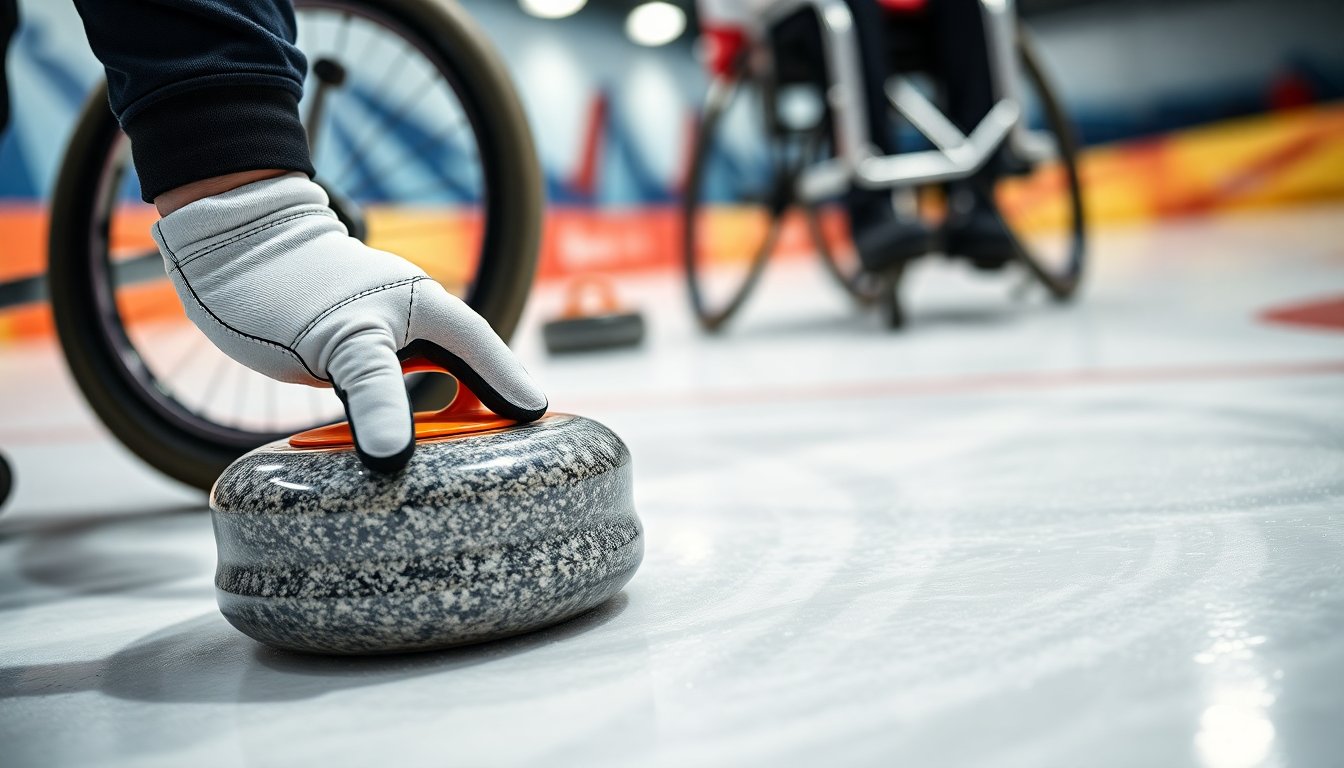
The Canadian wheelchair curling rink achieved a milestone at the Milano Cortina 2026 Paralympic Winter Games by completing round-robin play without a defeat. On Mar 12, 2026 the squad secured a 7-3 victory over the United States to finish the preliminary stage 9-0, a feat never before recorded at a Paralympic Games. The team—led by skip Mark Ideson with teammates Ina Forrest, Jon Thurston, Collinda Joseph and alternate Gil Dash—combined steady shot-making with measured strategy to close out opponents and lock the top playoff seed. Observers and competitors alike noted how the Canadians balanced experience and calm under pressure throughout the schedule.
Beyond the headline, the unbeaten run reflected more than just wins on the scoreboard: it showcased a collective temperament and a familiarity forged over years of shared training. Players emphasized their trust in one another, and the rink repeatedly converted tight situations into scoring ends. That blend of mental resilience and technical execution helped Canada not only to outscore opponents but to control the tempo in matches that often came down to the final stones. With the preliminary sweep complete, attention turned to the medal rounds and a semifinal showdown against South Korea slated for 5:05 a.m. ET on Friday.
How the streak unfolded on the ice
Canada opened several games with decisive early ends and then weathered opposition surges, a pattern that illustrated both offensive punch and defensive composure. In the match versus the United States the Americans struck first, building a 2-0 lead, but Canada responded steadily, tying the game and exchanging single points until seizing momentum. After a 4-3 hinge at the halfway mark, the Canadians manufactured a pair of steals—a strategic advantage where the non-scoring team forces points—scoring two in the sixth and another in the seventh to put the contest out of reach. Earlier the same day they had beaten South Korea 6-3, demonstrating consistent scoring when it mattered most.
Key moments and decisive plays
Certain shots and strategic choices defined the run. Jon Thurston produced a crucial final-end draw in one contest to neutralize a looming three-stone threat, and teammates repeatedly executed high-percentage guards and takeouts to force opponents into riskier shots. The rink’s ability to convert pressure into points—especially in the closing ends—was repeatedly noted by coaches and commentators. The team also leaned on the calm demeanor of skip Mark Ideson, whose measured direction and on-ice decision making helped settle situations that might otherwise spiral under Paralympic intensity.
Clinching the playoff berth and what comes next
With the perfect preliminary record Canada secured the top seed heading into the playoffs and will face a familiar rival, South Korea (5-4), in a semifinal. The other side of the bracket sees two-time defending champions China (8-1) matched with Sweden (5-4). Canada enters the medal rounds as the world number two behind China and carries a legacy of consistent podium appearances: since wheelchair curling joined the Paralympic program in 2006, Canada has reached the podium at every Games, capturing the first three golds and collecting bronze in the two most recent editions. That history adds context to the current team’s ambitions and the expectations surrounding their playoff run.
Team dynamics and leadership
Players credited long hours together and clarity of roles for their cohesion. The group emphasized trust in each member’s shot-making and a shared approach to reading ice conditions. Ideson’s leadership, Thurston’s clutch deliveries, Forrest’s and Joseph’s consistency, and the presence of alternate Gil Dash combined to create a reliable unit. The rink’s chemistry allowed them to remain calm in tense situations and produce the points necessary in late ends, an attribute that often separates medal contenders from the rest of the field.
Other Canadian performances at Milano Cortina
Wheelchair curling was only part of Canada’s story at the Games. In alpine, Michaela Gosselin continued a string of top-10 results by finishing eighth in the women’s standing giant slalom, posting a combined time of 2:38.08 across two runs. Team newcomer Florence Carrier, an 18-year-old making her Paralympic debut, placed 13th and remains one to watch as the event schedule continues. Across the first six days, Canada had accumulated ten medals, including one gold, three silver and six bronze, reflecting strength across multiple disciplines and deepening momentum as the Games progress.
As the playoffs approach, Canadian athletes and coaches stressed a familiar refrain: focus on execution and enjoy the experience. The unbeaten record has raised expectations, but the team’s message stayed grounded—stick to process, support teammates, and keep the game simple. With semifinal opponents set and the pathway to medals clear, Canada’s camp prepared to translate round-robin dominance into podium success while honoring the small margins that define Paralympic competition.