
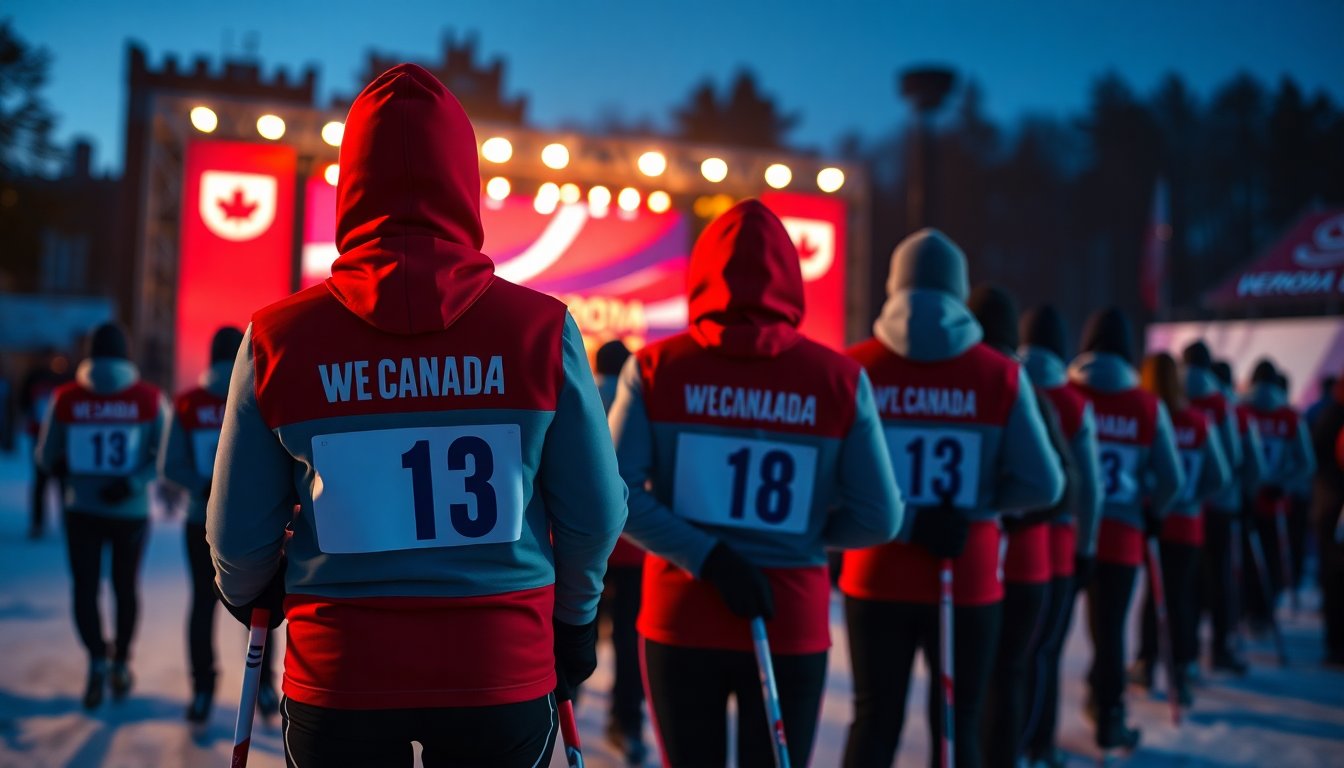
Verona’s cool evening air held a hint of celebration as Team Canada marched into the closing ceremony of the Milano Cortina 2026 Winter Games. Valérie Maltais and Steven Dubois—two of the delegation’s most recognizable skaters—led the team, a fitting image after 17 days of racing, jumps and hard-fought finishes. The ceremony itself blended Italian opera, contemporary music and Olympic ritual, and closed by passing the torch to the French Alps as hosts for 2030.
On the scoreboard Canada left Italy with 21 medals: five gold, seven silver and nine bronze. That tally kept Canada consistently near the top of the standings and showcased both headline victories and deeper team strength across multiple disciplines.
Choosing Maltais and Dubois to lead the procession made sense on several levels. Both delivered headline-worthy performances during the Games, and both have profiles that resonate with fans—on-ice excellence matched by visible leadership off it. Their presence in the parade didn’t just celebrate individual success; it underscored Canada’s depth in skating and offered a unifying image for a delegation that scored in many arenas.
Their results speak for themselves. Maltais anchored the women’s team pursuit to gold and added individual bronzes in the middle distances, while Dubois overcame a mid-season hip injury to claim Olympic gold in the men’s 500 m and a silver in the mixed team relay. Those moments will be replayed often in national highlights reels and help cement both skaters among Canada’s recent greats.
Beyond the podiums, Canada showed its breadth. Numerous top-eight finishes and solid performances in secondary events kept the country competitive in cumulative scoring. Veterans provided steady leadership throughout the fortnight, while younger athletes produced decisive, momentum-shifting results—signs that a healthy generational handover is underway.
A number of athletes turned season-long comebacks into Olympic success, returning from injury at the right moment to contribute to the medal haul. That balance between experience and renewal eased pressure on a handful of stars and broadened the team’s medal prospects—an encouraging dynamic as funding and selection plans begin to take shape for the next cycle.
Verona’s closing spectacle intentionally mixed tradition with pop-forward showmanship. Excerpts of Rigoletto sat alongside performances by Achille Lauro and a contemporary set from Major Lazer. Pianist Gloria Campaner reimagined Ludovico Einaudi’s Experience for the flame ritual, and in a symbolic twist the Olympic flame was ceremonially extinguished in both Milan and Cortina. City officials from the hosts handed the flag to representatives of the French Alps, who offered a short film and a fresh rendition of La Marseillaise to preview the 2030 vision that will span Haute‑Savoie, Savoie, Briançon and Nice.
Throughout the evening, theatrical sequences—dancers, aerialists and tributes to water and sunlight—wove together local heritage and environmental themes. Roberto Bolle’s aerial performance stood out for its technical daring, and organizers used the pageantry to underline ecological commitments for future Games as much as to entertain.
All told, Canada’s time in Italy combined individual brilliance, collective depth and a steady emergence of new talent. The medal count tells part of the story, but the quieter moments—the comebacks, the leadership, the clutch performances—suggest a team well positioned for the road to 2030.