
Table of Contents
cbs news withdraws critical report on cecot prison
The decision by CBS News to withdraw a critical report on the CECOT prison in El Salvador has drawn considerable criticism. The segment, intended for the prominent program 60 Minutes, aimed to highlight allegations of human rights abuses within the facility. The cancellation, occurring just hours before the scheduled broadcast, has raised questions about possible political motivations influencing this move.
Details of the CECOT report
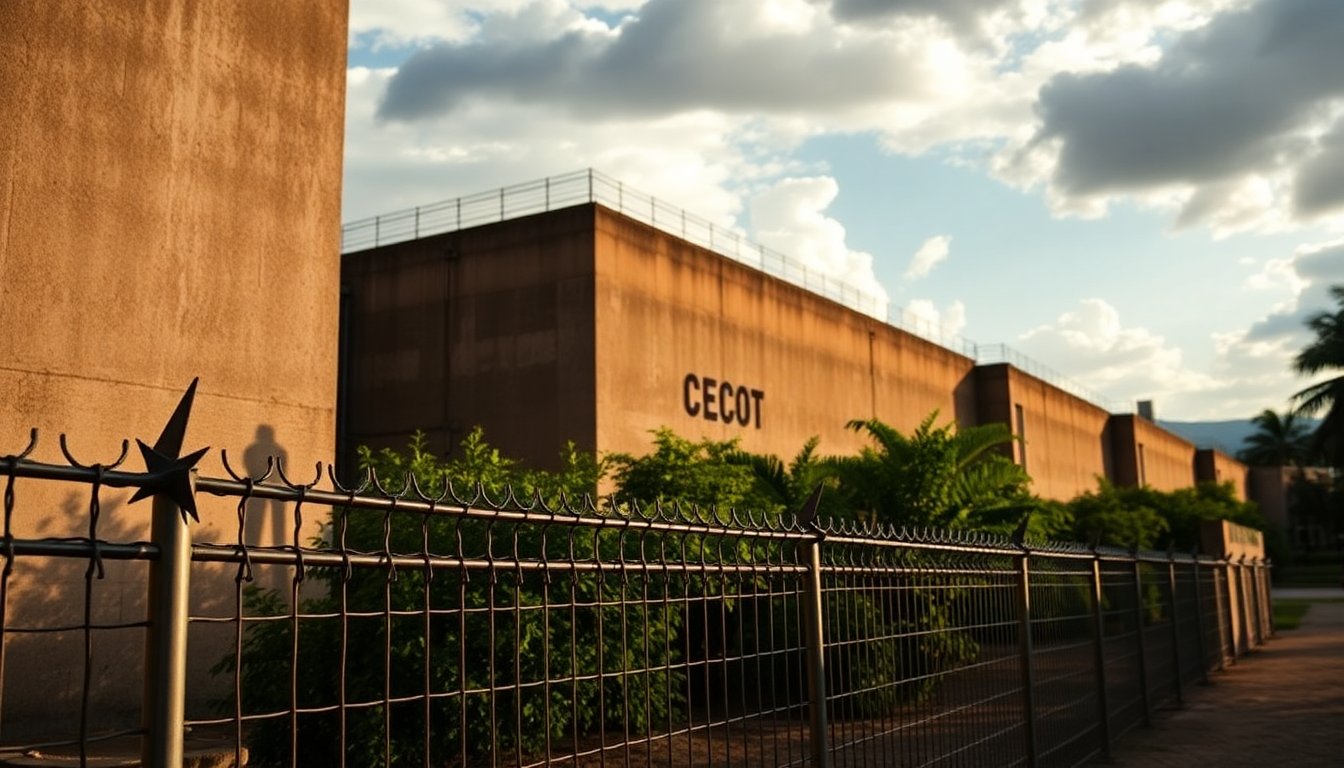
Correspondent Sharyn Alfonsi was prepared to cover a maximum-security prison, which plays a crucial role in President Nayib Bukele‘s strategy against organized crime in El Salvador. The prison has attracted scrutiny for its treatment of inmates, particularly those deported from the United States, including Venezuelans. Alfonsi highlighted that many deportees have reported instances of torture and abuse, raising alarms among human rights advocates.
Political implications
The controversy surrounding the report escalated following the release of a leaked email from Alfonsi. The email revealed that the withdrawal was driven primarily by political reasons. In her correspondence, Alfonsi contended that after undergoing multiple editorial reviews, the decision to cancel the segment appeared to prioritize political interests over journalistic integrity. She cautioned that allowing the administration’s hesitance to engage with the story to dictate news coverage creates a troubling precedent.
Corporate influences and media integrity
Leadership changes at CBS News have raised questions about their relationship with the Trump administration. The acquisition of CBS’s parent company by Skydance Media, under David Ellison, has led to allegations of a shift towards a more conservative editorial approach. Critics cite the appointment of Bari Weiss, a prominent conservative media figure, as a key indicator of this change.
The role of corporate ownership
After the merger, CBS News committed to showcasing a variety of ideological perspectives. However, many observers contend that recent decisions indicate a deviation from this promise. The controversy surrounding a retracted report highlights increasing concerns that corporate interests may be undermining journalistic integrity. As the media landscape continues to evolve, news organizations are facing challenges in maintaining their integrity amid corporate ties and political influences.
Public reaction and implications
The decision to withdraw the report drew significant backlash from various media and political sectors. Notably, Senate Minority Leader Chuck Schumer expressed concern regarding the impact of such actions on press freedom. Schumer emphasized that the Trump administration should not dictate which stories are told, underscoring the vital role of a free press in holding those in power accountable.
This incident has ignited discussions about the responsibilities of news organizations when faced with political pressure. As numerous social media platforms and independent outlets began sharing clips of the original segment, the situation illuminated the challenges of modern journalism. The swift spread of the segment, despite CBS’s attempts to suppress it, raises important questions about the efficacy of censorship in the digital era.
The future of investigative journalism
The recent actions taken by CBS News have drawn widespread criticism, raising questions about the future of investigative reporting. This incident highlights the necessity for media outlets to prioritize journalistic integrity over corporate interests. In an era marked by rampant misinformation, a commitment to unbiased reporting is essential to maintain public trust in the media.
This episode serves as a reminder of the ongoing tension within media organizations, as they strive to balance corporate pressures with the core principles of journalism. As the media landscape evolves, the reactions of journalists and the public will play a pivotal role in shaping the future of news reporting.