
Table of Contents
In a significant development for Chile’s political landscape, the nation has elected José Antonio Kast as its next president. This election marks a pivotal moment in the country’s post-Pinochet history, as Kast represents the most right-wing leadership seen in decades. His ascendance reflects a shift in voter sentiment and aligns with a broader conservative movement influencing Latin American politics.
Kast’s campaign emphasized immigration control and crime reduction, resonating with voters prioritizing security and stability. His proposals, including the construction of a border wall and enhanced law enforcement measures, echo sentiments familiar to those expressed by former U.S. President Donald Trump. This alignment suggests that Kast may pursue policies mirroring right-wing ideologies gaining traction across the Americas.
The rise of José Antonio Kast
José Antonio Kast, a lawyer and politician, has established a reputation as a staunch advocate for conservative values. His political career has been characterized by a commitment to traditional principles, consistently championed throughout his tenure. His recent election victory reflects a significant shift in the electorate’s priorities.
Connecting with conservative voters
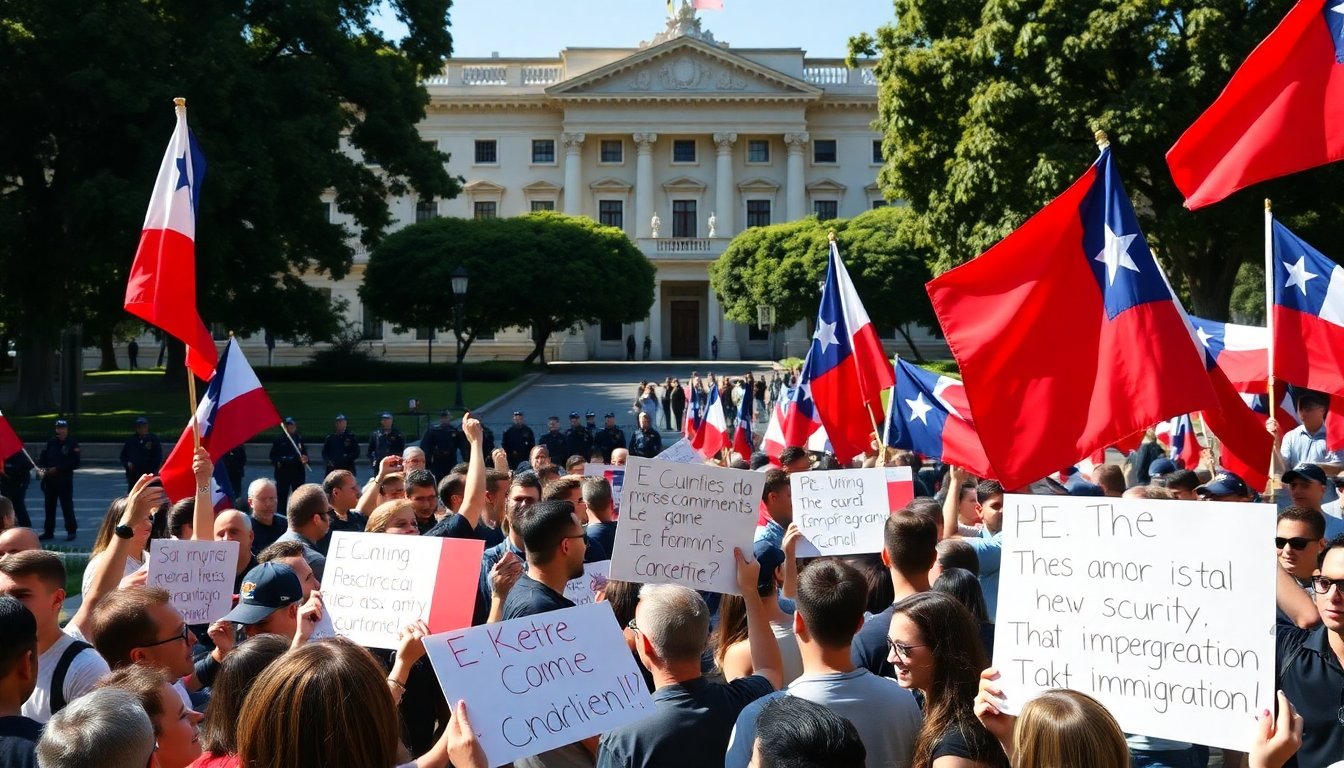
During the campaign, Kast successfully addressed the concerns of many Chileans who felt alienated by the previous government’s policies. His calls for a more rigorous approach to immigration and public safety resonated with a receptive audience. By pledging to construct physical barriers, such as trenches along the borders, he aimed to instill a sense of security among voters.
Kast’s rhetoric often mirrored that of Trump, appealing to those who view strict immigration policies as crucial to national sovereignty. His promise to combat crime and restore order struck a chord with citizens concerned about rising violence and insecurity.
Implications for Chile and the region
The election of Kast could have profound implications for Chile’s domestic policies and its role within the broader Latin American context. As a right-wing leader, Kast is likely to prioritize economic liberalization and free-market policies, potentially steering the country away from the more progressive stances adopted in recent years.
Aligning with global conservatism
As Kast takes office, his alignment with Trump and other right-wing leaders worldwide may pave the way for enhanced political and economic partnerships. His administration could prioritize agreements that facilitate trade and investment, reflecting a shared commitment to deregulation and economic growth.
The potential for increased military cooperation and security alliances with countries sharing similar values cannot be overlooked. This may lead to a more robust response to regional challenges, including organized crime and drug trafficking.
The future of Chilean politics
Kast’s election signals a potential turning point in Chilean politics, suggesting a reorientation toward conservative governance that prioritizes strict law enforcement and economic growth. As he embarks on his presidency, the impacts of his policies will be closely monitored, both domestically and internationally.
While some celebrate this shift as a return to traditional values, others express concerns about the implications for social equity and human rights. The balance between promoting security and preserving individual freedoms will pose a critical challenge for Kast’s administration.
Kast’s campaign emphasized immigration control and crime reduction, resonating with voters prioritizing security and stability. His proposals, including the construction of a border wall and enhanced law enforcement measures, echo sentiments familiar to those expressed by former U.S. President Donald Trump. This alignment suggests that Kast may pursue policies mirroring right-wing ideologies gaining traction across the Americas.0