
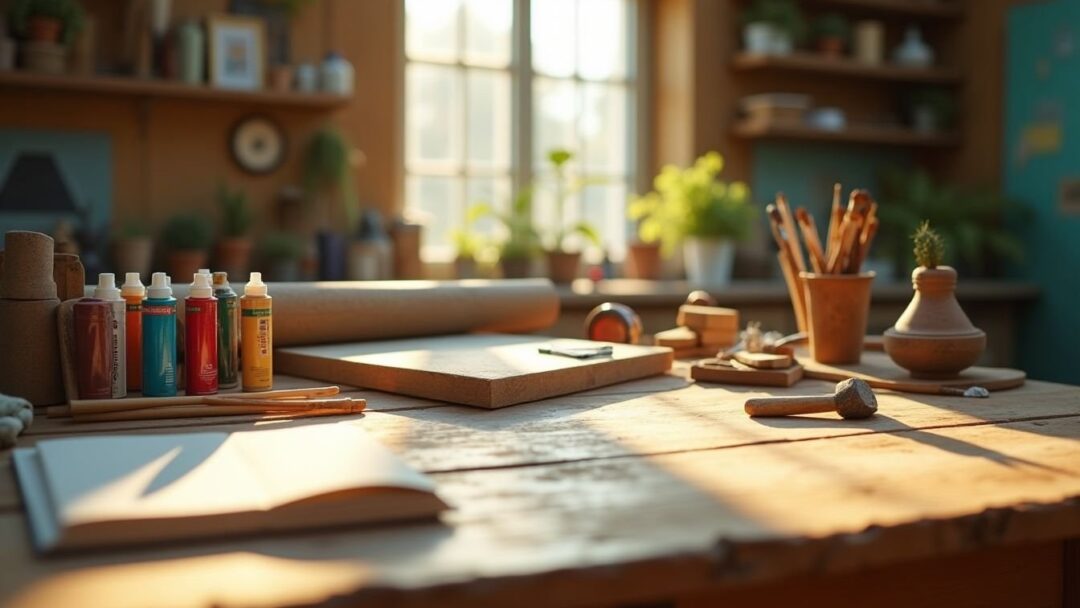
The world of home improvement has seen a remarkable shift in recent years, with more people embracing the do-it-yourself (DIY) approach. This trend is not just about saving money; it’s about creating personal, unique spaces that reflect individual styles and preferences. In 2026, DIY home projects have become a popular way for homeowners to boost their confidence and take control of their living environments.
With the rise of digital platforms like YouTube, TikTok, and Instagram, home improvement has become more accessible than ever. These platforms offer quick, easy guides that make even complex projects seem achievable. As a result, younger generations are picking up tools and tackling projects they might have once left to professionals.
The Psychological Benefits of DIY Home Projects
A study conducted by Talker Research revealed that completing a home DIY project boosts a person’s confidence, happiness, and satisfaction for up to seven weeks. The survey of 2,000 Gen Z and millennial homeowners and renters found that about 86% reported a profound sense of accomplishment that lingers for a month and a half.
Psychologists refer to this phenomenon as the IKEA effect where people place a much higher value on things they helped build. Engaging in repetitive tactile motions like sanding, painting, or tiling can serve as a form of active meditation, lowering cortisol levels and stopping anxious mental loops. American psychologist Mark Travers, Ph.D., explains, “The IKEA effect shows us something simple but powerful about ourselves: we value what we create.”
The Role of Technology in DIY Home Projects
Technology has played a significant role in the rise of DIY home projects. Artificial intelligence (AI) tools now act as personal building coaches, providing step-by-step guidance and troubleshooting advice. These smart tools can write customized checklists, calculate supply budgets, and help users troubleshoot mistakes in real time.
Online DIY communities also serve as a massive, collaborative safety net. Homeowners can share their progress, seek advice, and learn from others who have tackled similar projects. This sense of community removes the intimidation factor and encourages more people to take on home improvement projects.
Getting Started with DIY Home Projects
Before picking up your tools, experts recommend keeping a few basic guidelines in mind. First and foremost is research. Cross-reference online tutorials, check out home design magazines, and ask other builders for advice. For beginners, it’s best to start with smaller projects like IKEA hacks or beginner-friendly upcycling ideas.
Many home improvement professionals recommend buying extra materials such as tiles, flooring, or lumber. This extra buffer helps cover cutting waste, accidental mistakes, and damaged pieces, providing matching materials for future repairs.
While DIY projects come with their fair share of challenges, they are ultimately a fun, budget-friendly way to personalize your living space. From small upgrades to larger builds, there’s a DIY project out there for every skill level and budget.


