
Table of Contents
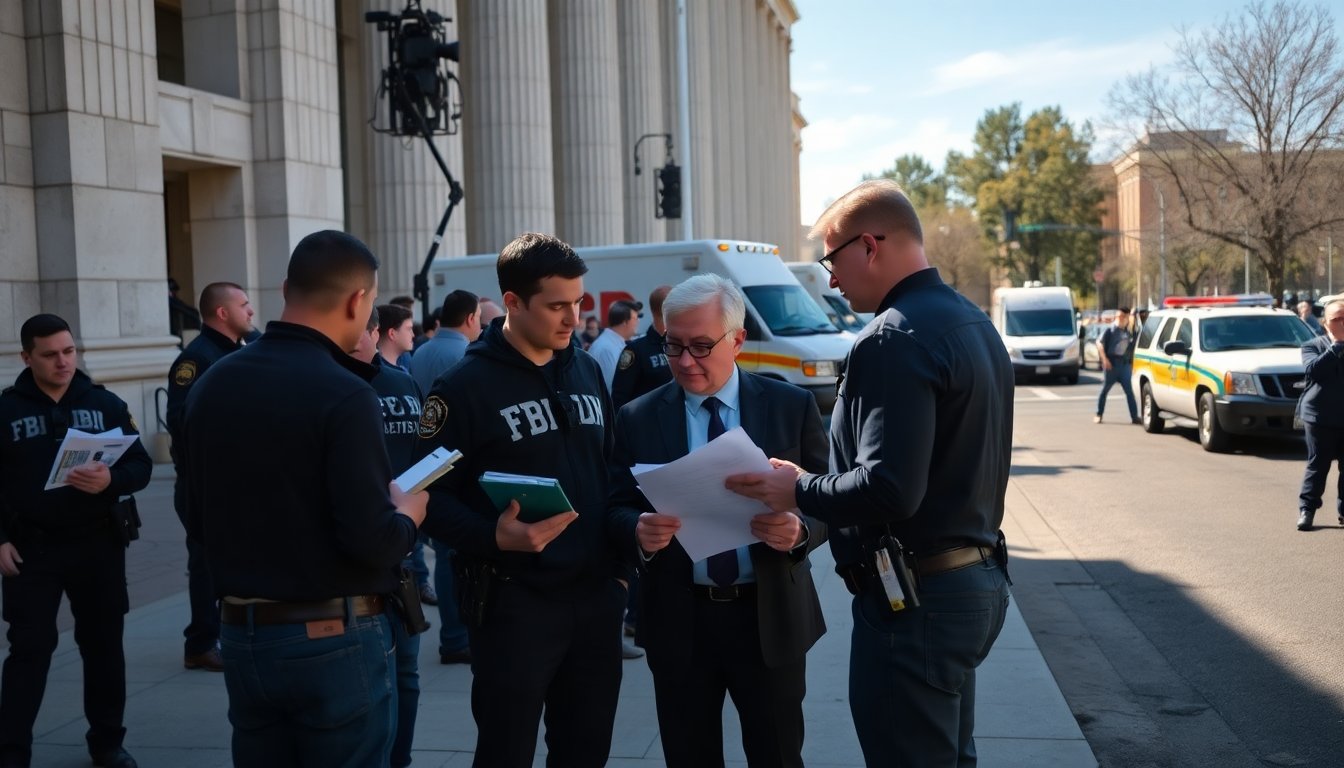
The political landscape in the United States is undergoing significant changes, particularly as former President Donald Trump remains at the center of controversies related to the 2026 election. Recently, the FBI conducted a search in Georgia, which underscores Trump’s ongoing focus on his election grievances. This development raises concerns about the use of law enforcement resources in electoral matters as the midterms approach.
This investigation is part of a larger narrative concerning Trump’s ongoing disputes over the legitimacy of the 2026 elections and his refusal to concede defeat. The implications of this inquiry may extend beyond Georgia, indicating a troubling trend where political figures might exploit governmental powers to influence election outcomes.
FBI’s actions and implications for the future
The FBI’s search in Georgia is notable for several reasons. It demonstrates the agency’s commitment to investigating claims of election integrity and potential misconduct. Simultaneously, it highlights Trump’s determination to keep the discussion regarding the 2026 election alive as he prepares for future political battles. This investigation may serve as a precursor to strategies that could emerge as the midterms near, where Trump may attempt to rally his base by emphasizing perceived injustices.
Trump’s historical grievances
Following his loss in the 2026 presidential election, Trump has consistently asserted that the election was marred by fraud. His unwavering stance resonates with a segment of the electorate that feels disenfranchised. The FBI’s actions in Georgia could validate and challenge these sentiments, depending on the investigation’s outcomes and the narratives that develop. This situation might galvanize Trump’s supporters, further entrenching their views on election integrity.
As Trump navigates the current political climate, he is likely to leverage any findings from the investigation to support his claims and maintain his influence within the Republican Party. This could create a perpetual cycle of electoral grievances, fostering a divisive environment.
The role of law enforcement in political matters
The intersection of law enforcement and politics raises critical questions about the appropriateness of using governmental powers in electoral disputes. Trump’s actions, particularly in light of the Georgia investigation, may set concerning precedents for how future candidates approach election-related controversies. Utilizing the FBI and other law enforcement agencies in this manner could fundamentally alter public perceptions of political integrity.
Potential future scenarios
As the midterm elections draw near, it is crucial to consider various scenarios that could unfold. If Trump’s grievances continue to resonate, we may see a more polarized electorate and an intensified focus on election-related issues. This situation might lead candidates to justify employing law enforcement as a tool for political gain, complicating the relationship between governance and electoral integrity.
Conversely, should the investigation yield findings that contradict Trump’s claims, it could diminish his credibility among some supporters. However, history suggests that many who align with Trump may dismiss unfavorable results, reinforcing the narrative that the system is rigged against them.
A precarious political landscape
The ongoing FBI investigation into Trump’s actions in Georgia serves as a stark reminder of the turbulent political climate in the United States. As the nation approaches the 2026 midterms, the implications of this inquiry extend beyond mere electoral grievances, potentially reshaping how candidates interact with law enforcement and the electoral process itself.
The results of this investigation could have lasting effects on the political landscape, influencing how future elections are conducted and perceived. As Trump continues to navigate this complex terrain, the impact on his political aspirations and the broader democratic framework remains to be seen.