
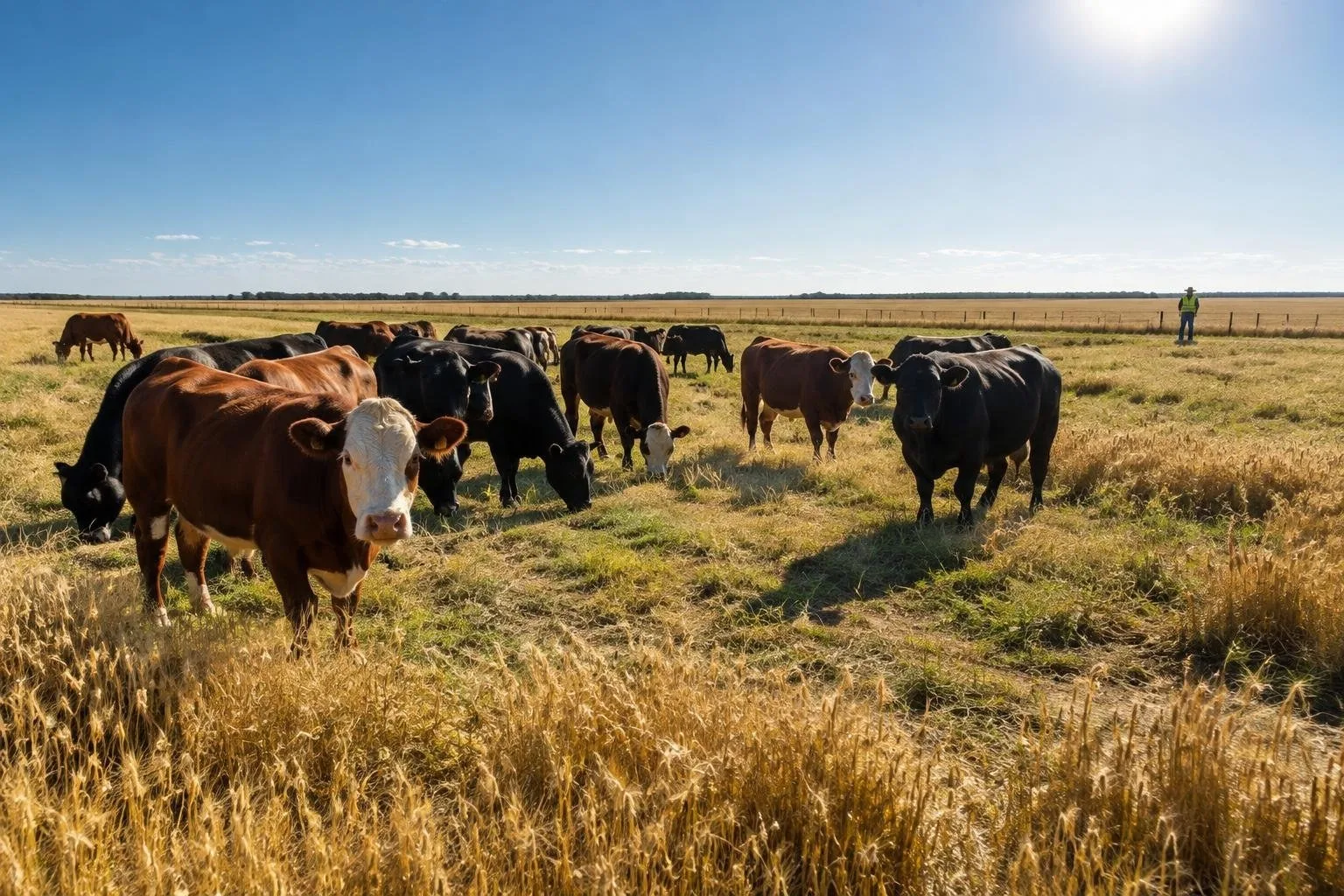
The New World screwworm (Cochliomyia hominivorax) has re-appeared on American soil after a sixty-year absence. On 3 June 2026 the United States Department of Agriculture’s Animal and Plant Health Inspection Service (USDA-APHIS) recorded the nation’s first confirmed animal infestation, a landmark that triggered an immediate federal response. So far, no domestic human infections have been documented, and the overall risk to people remains low.
Across the border, the situation is far more severe. Central American nations and Mexico have reported over 209,400 animal cases and more than 2,850 human infections since the parasite resurfaced in 2023. An American traveler who returned from El Salvador in August 2025 was the only U.S. resident diagnosed with a screwworm wound, underscoring the importance of vigilance when crossing into affected zones. State health maps highlight active zones in Texas and New Mexico, where the fly’s population has expanded.
Federal coordination and on-the-ground actions
Federal agencies have adopted a One Health framework, linking human, animal and environmental health. The Centers for Disease Control and Prevention (CDC) works alongside USDA, the Department of the Interior (DOI) and tribal, state and local partners to contain the outbreak. Core tactics include the release of sterile male flies to disrupt breeding, strict animal-movement regulations, and targeted outreach in communities where livestock, pets or wildlife are at risk.
UC Davis wins $4.37 million award for a new early-warning network
On 3 November 2026 the USDA announced a two-year, $4.37 million grant for the University of California, Davis School of Veterinary Medicine. The project, titled “Smart Surveillance for Screwworm,” will deploy cutting-edge detection tools across California, Arizona, New Mexico, Texas and Florida, with a spill-over component for northern Mexico.
Four pillars shape the system: hotspot mapping that blends climate, land-use and host-animal data; around one hundred AI-enabled “sentinel” cameras that flag screwworm-like wounds in real time; an expansion of the WildAlert platform paired with the portable NABIT DNA-screening device; and a training program for hunters, trappers, biologists and wildlife rehabilitators to recognize early signs.
Current epidemiology and the wildlife surveillance gap
Since the June announcement, USDA officials have verified 79 animal cases in the United States, with 25 still active, most of them in livestock. The first wildlife confirmation (a harvested elk in Pecos County, Texas) illustrated a blind spot: traditional surveillance focuses on farms and ports of entry, leaving remote ecosystems under-monitored. The new UC Davis initiative aims to close that gap before the pest can decimate endangered species, as it once did to the Key deer in Florida.
Practical steps for residents and pet owners
Authorities advise several precautionary measures for people living in or traveling through infested areas. Keep any open wound clean and covered, regardless of size. Wear loose-fitting, long-sleeved shirts and long pants, along with hats and socks, to reduce exposed skin. Treat clothing and gear with products containing 0.5 % permethrin and use EPA-registered insect repellents. Sleep indoors or in screened tents, and avoid contact with livestock that show unexplained, foul-smelling wounds.
Watch for symptoms such as persistent pain, foul odor, bleeding or the visible movement of larvae in wounds, the nose, mouth, eyes, ears or genital area. If maggots are observed, seek medical care immediately; removal often requires surgical extraction.
Reporting protocols for health professionals
Healthcare providers who suspect a screwworm infestation must report the case to their local or state health department without delay. Veterinarians should contact state animal-health officials and the APHIS office with any suspicious animal findings. Prompt reporting enables rapid deployment of sterile-fly releases and accelerates containment efforts.