
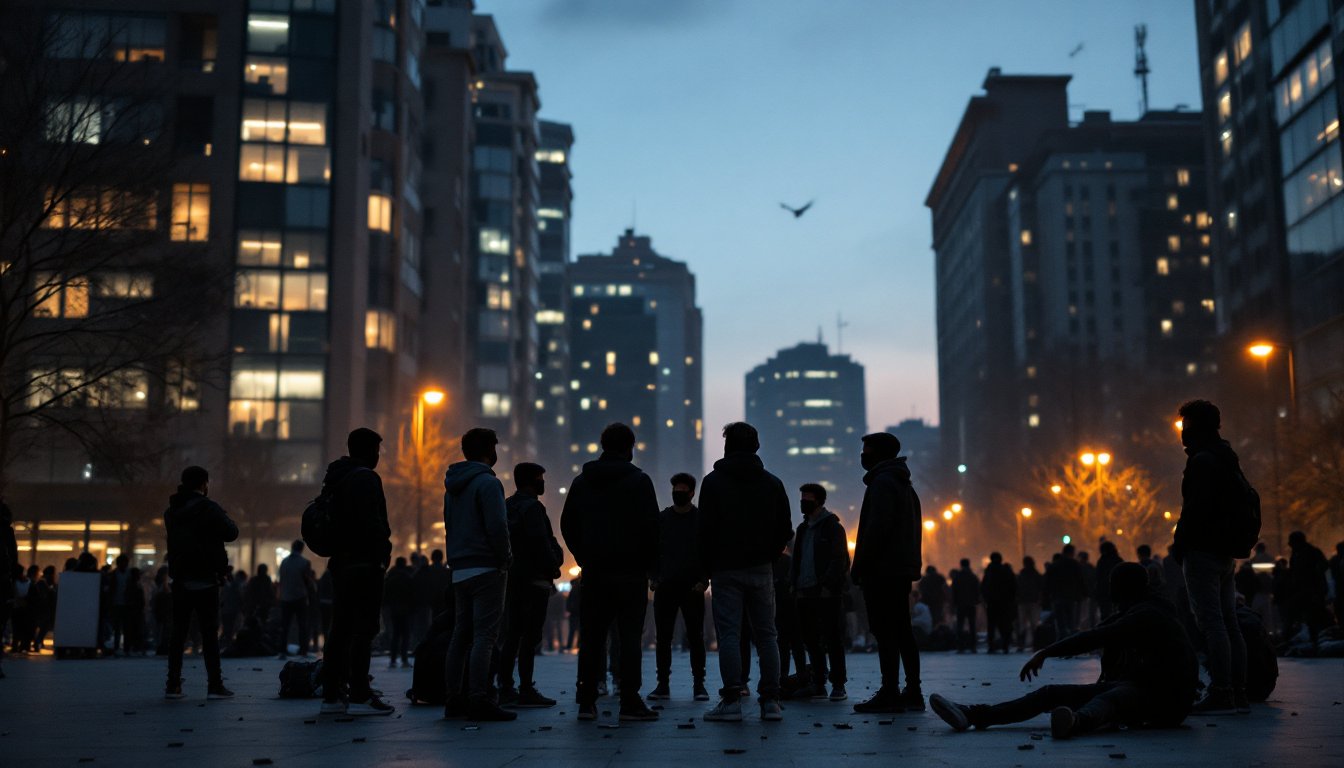
The ongoing situation in Iran is marked by a nationwide internet blackout<\/strong>, raising substantial concerns about lasting limitations on digital access. This drastic measure, initiated on January 8, is a tactic employed by the regime to suppress widespread protests in response to government policies. As the blackout continues, the implications for freedom of expression and dissent become increasingly severe.<\/p>
The Iranian government has justified this shutdown as a necessary response to what it characterizes as terrorist activities<\/em> amid the protests. Officials claim that disconnecting internet access will hinder the organization of anti-government demonstrations, a strategy previously used during protests in 2019 and.<\/p>
Consequences of the blackout<\/h2>
With the internet effectively severed, both activists and ordinary citizens in Iran face isolation, unable to share vital information about safety or coordinate their efforts. This blackout restricts not only the flow of information within Iran but also obscures the country’s situation from the global community. Despite these limitations, some footage depicting violence against protesters has emerged, attracting international condemnation and highlighting the regime’s brutal response.<\/p>
The impact on protest coordination<\/h3>
The lack of reliable communication channels has severely hindered protesters’ ability to organize. The FilterWatch<\/strong> organization notes that the longer the blackout persists, the more likely the Iranian regime will tighten its control over digital spaces. If internet access resumes, it may be on a tiered basis<\/em>, permitting only those aligned with the government to connect freely.<\/p>
This potential digital stratification could resemble systems found in countries like China, where internet access is closely monitored and restricted, further suffocating dissenting voices. The implications for civil liberties in Iran could be profound, as access to international information sources may become a privilege rather than a right.<\/p>
International ramifications and humanitarian concerns<\/h2>
As the death toll from the protests rises—reports indicate at least 5,000 fatalities—the international community remains deeply concerned. The Human Rights Activists News Agency<\/strong> has documented extensive casualties and detentions, underscoring the regime’s escalating violence against its citizens. These developments have drawn widespread criticism from human rights organizations, raising questions about the government’s accountability.<\/p>
Information dissemination challenges<\/h3>
The regime’s efforts to control the narrative extend beyond internet access. With traditional media strictly regulated and foreign journalists facing significant restrictions, the flow of accurate information remains hindered. Nevertheless, Iranians have found ways to share their experiences through alternative channels, often utilizing virtual private networks (VPNs)<\/strong> to bypass censorship.<\/p>
Despite the government’s attempts to silence dissent, many citizens are determined to document their realities. Social media platforms, although officially banned, serve as vital tools for disseminating information and organizing protests. The resilience of the Iranian people in the face of such repression highlights a profound desire for change.<\/p>
Looking ahead: the future of dissent in Iran<\/h2>
The current climate in Iran raises critical questions about the future of dissent and free expression in the country. The young population, which constitutes a significant segment of the demographic, is increasingly vocal about its discontent with the regime. With over 60% of the population under 30 years old, there is a palpable sense of urgency and frustration among the youth.<\/p>
As they navigate a landscape of heavy censorship and economic hardship, young Iranians are risking their safety to advocate for change. The ongoing protests, initially sparked by economic grievances, have evolved into a broader movement demanding fundamental reforms. This generational shift is poised to challenge the status quo as more Iranians join the call for freedom.<\/p>
The Iranian government’s internet blackout symbolizes its struggle to maintain control amid rising dissent. As the situation evolves, the international community must remain vigilant and support the Iranian people’s quest for justice and freedom.<\/p>


