
Table of Contents
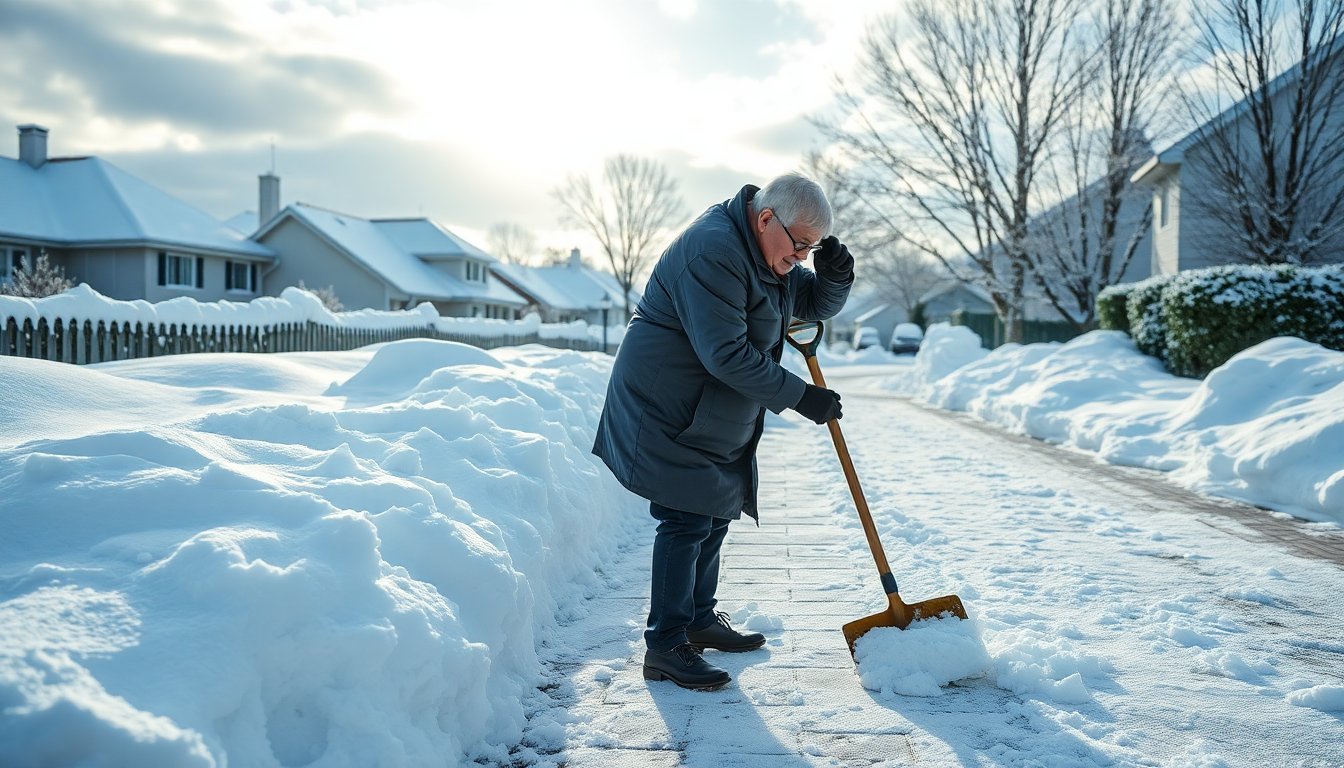
As winter storms approach, many individuals prepare for heavy snowfall. However, heart health experts are raising alarms regarding the potential dangers associated with snow shoveling, particularly for older adults. The physical demands of lifting and moving snow can be extreme, leading to increased risks of heart complications.
A study conducted by the Mayo Clinic in revealed that just ten minutes of vigorous snow shoveling can elevate heart rates to approximately 97% of their maximum capacity. Exposure to cold air can further exacerbate this strain, increasing blood pressure and diminishing blood flow to the heart.
Who should be cautious?
While there is no definitive age at which one becomes “too old” to shovel snow, healthcare professionals recommend that individuals over 45 should proceed with caution. Dr. Navjot Kaur Sobti, an interventional cardiologist at Northwell’s Northern Westchester Hospital, emphasized that those who are less active or do not engage in regular exercise must be particularly careful when tackling snow removal tasks.
Factors that increase risk
Individuals over 65, especially those with risk factors for heart disease such as hypertension, high cholesterol, diabetes, obesity, or a sedentary lifestyle, should exercise extreme caution. Dr. John Osborne, a Texas cardiologist and volunteer for the American Heart Association, concurs, suggesting that anyone in poor cardiovascular condition should seek assistance when faced with snow shoveling obligations.
For those with a history of heart issues, such as previous heart attacks or strokes, the act of shoveling snow can be particularly dangerous. Dr. Osborne points out that individuals who typically lead sedentary lives may encounter severe risks when suddenly exerting themselves in physical activities like snow shoveling.
Understanding the hidden dangers
Shoveling snow can impose stress on the heart comparable to that of a cardiac stress test, as noted by Dr. Sobti. The abrupt increase in physical exertion, combined with cold temperatures that induce blood vessel constriction, can lead to spikes in blood pressure that are harmful to those already at risk.
A recent study published in the Annals of Internal Medicine highlights that cold exposure contributes to a significantly higher number of cardiovascular-related deaths compared to heat exposure, with individuals over 65 being particularly vulnerable. Dr. Sobti warns that the combination of sudden blood pressure increases and the physical strain from shoveling can create a perilous situation.
Safe snow shoveling practices
To minimize risks, it is advisable to have someone assist with snow removal. If shoveling is necessary, pacing oneself and employing a pushing or sweeping motion rather than lifting heavy loads can help reduce strain. Additionally, dressing appropriately for the cold is crucial; covering the mouth, nose, and extremities, along with wearing gloves and hats, can provide necessary warmth.
Alternative methods
For those looking to avoid the risks associated with manual shoveling, using a snow blower is a viable option, although it can still elevate heart rates significantly—up to 120 beats per minute, compared to 170 beats per minute from shoveling. Awareness of one’s body while engaging in snow removal is critical; symptoms such as chest pain, shortness of breath, or palpitations must never be ignored. If these symptoms occur, it is vital to seek immediate medical attention, as they could indicate a heart attack.
Ultimately, prioritizing safety is essential during snowy weather. Engaging in heavy physical activity like snow shoveling can be risky for anyone, especially older adults or those with underlying health conditions. It is wise to be proactive and seek assistance or utilize safer methods when facing winter’s challenges.