
Table of Contents
House fires can end lives in minutes or leave survivors with a single object to thank. In these accounts from March 2026 and the previous December, we read of both fortunate escape and devastating loss. The stories involve a man in Regina who escaped thanks to a functioning smoke detector, a mother and daughter in Montgomery County, Mississippi, who died while performing caregiving duties, and a young family in Guduvanchery struck by an overnight blaze.
Together the incidents emphasize two recurring themes: the lifesaving role of early warnings and the tragic consequences when fires ignite undetected. This article preserves the factual details reported by local outlets while drawing practical safety observations. Dates and names are kept as originally published: the Regina account appeared on March 13, 2026, the Mississippi deaths were reported on March 9, 2026, and the Guduvanchery tragedy was updated on March 10, 2026.
Saved by a working alarm: a Regina survivor’s story
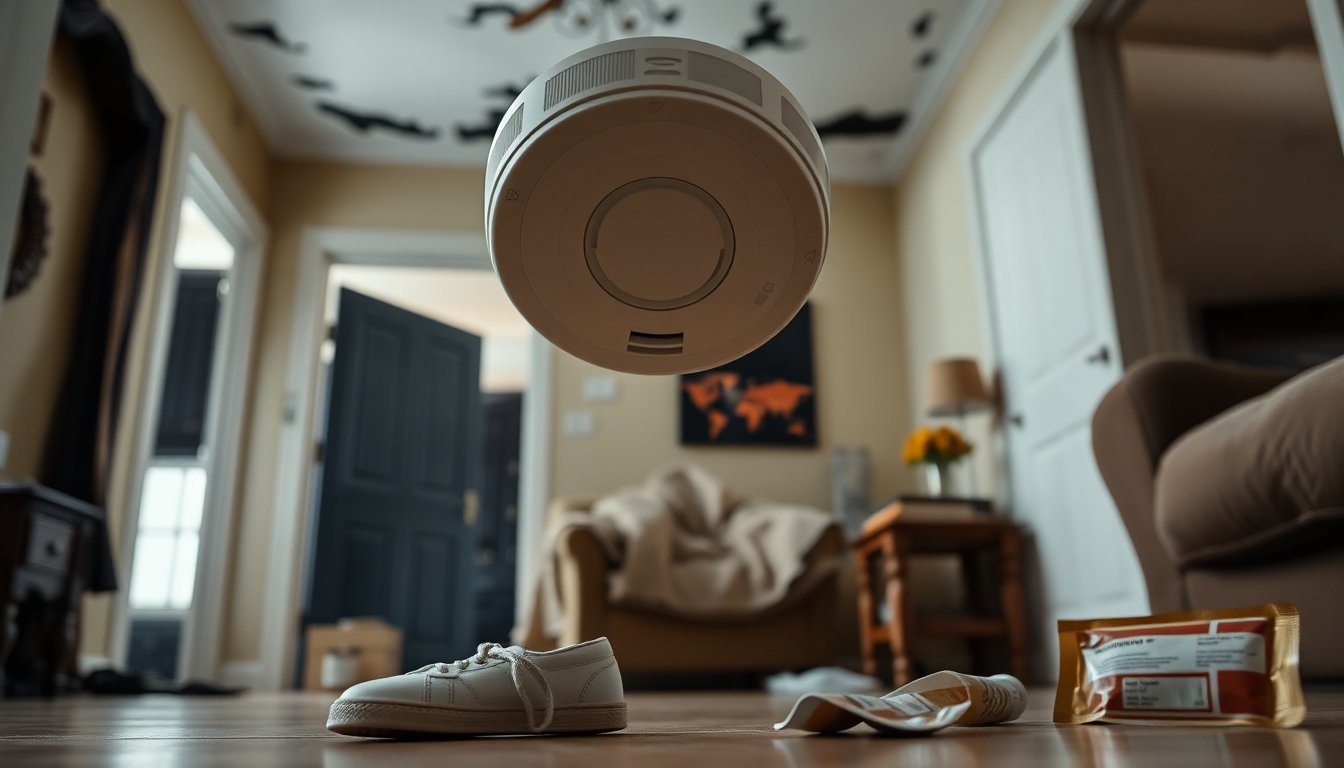
Jimmy Ottenbreit, who lost his wife and daughter to cancer years earlier and had been living with his dog, found himself escaping a house fire that destroyed his home in Regina last December. He says the building filled with smoke and the fire alarm woke him in time to get out. In his case a functioning smoke detector was the decisive factor. For clarity, a smoke detector is a device designed to sense smoke and alert occupants early. After the loss he has received help from friends in the Regina Beach community and now lives temporarily in a cabin while rebuilding his life, underscoring how community networks often follow an emergency.
Fatal overnight blaze in Guduvanchery
What happened
In the Guduvanchery area near Chennai, authorities discovered three members of a family — Parthiban, 36; his wife Chitra, 25; and their two-year-old daughter Jayasree — had died after a fire tore through a home in the early hours. According to reporting updated on March 10, 2026, the family had been staying at a relative’s house because a child was ill; when relatives returned from a hospital visit around 4:30 a.m., they found smoke and flames. Firefighters from Maraimalai Nagar and local police brought the blaze under control, but the three victims were found charred inside. The bodies were sent for post-mortem examination as part of the investigation.
Possible cause and inquiry
Preliminary investigation in Guduvanchery suggested the fire may have started from a lit mosquito coil placed near clothing, which then caught and spread flames. A mosquito coil is a slow-burning insect repellent commonly used overnight; when placed close to flammable materials, it can become an ignition source. Police have registered a case and are continuing inquiries to confirm the origin and sequence of the fire. The incident illustrates how everyday objects can become hazardous in certain sleeping-household contexts.
Caregiver deaths in Montgomery County, Mississippi
In Montgomery County, Mississippi, Sheriff Jeff Tompkins identified two victims of a Friday morning fire as Mary Pittman, 68, and her daughter Consietta Pittman, 42, in reporting dated March 9, 2026. The older woman was described as wheelchair-bound and bed-bound, while her daughter served as her primary caregiver — a role that involves providing direct assistance with daily needs. The cause of that blaze remains under investigation, though officials said they do not suspect foul play. The case highlights the heightened risks faced by people with mobility limitations during home emergencies and the additional burden on family caregivers.
Lessons for prevention and community response
Practical safety measures
These three episodes point to clear prevention priorities. Install and regularly test smoke detectors on every floor and near sleeping areas; replace batteries and units according to manufacturer guidance. Keep potential ignition sources — including mosquito coils, heaters, and candles — away from flammable materials. For households with mobility challenges, create and practice an evacuation plan with helpers or neighbors. The presence of a working alarm and a practiced escape route can reduce the time to detection and egress dramatically.
Community support and recovery
Beyond hardware and habits, recovery depends on social networks. The Regina survivor received community assistance to find temporary housing; similar neighborly responses often make the difference after a loss. Local authorities urge residents to report hazards and check on vulnerable neighbors. Combining technical safeguards like smoke alarms with human preparedness and community support offers the best chance to prevent tragedies and help those affected rebuild.