
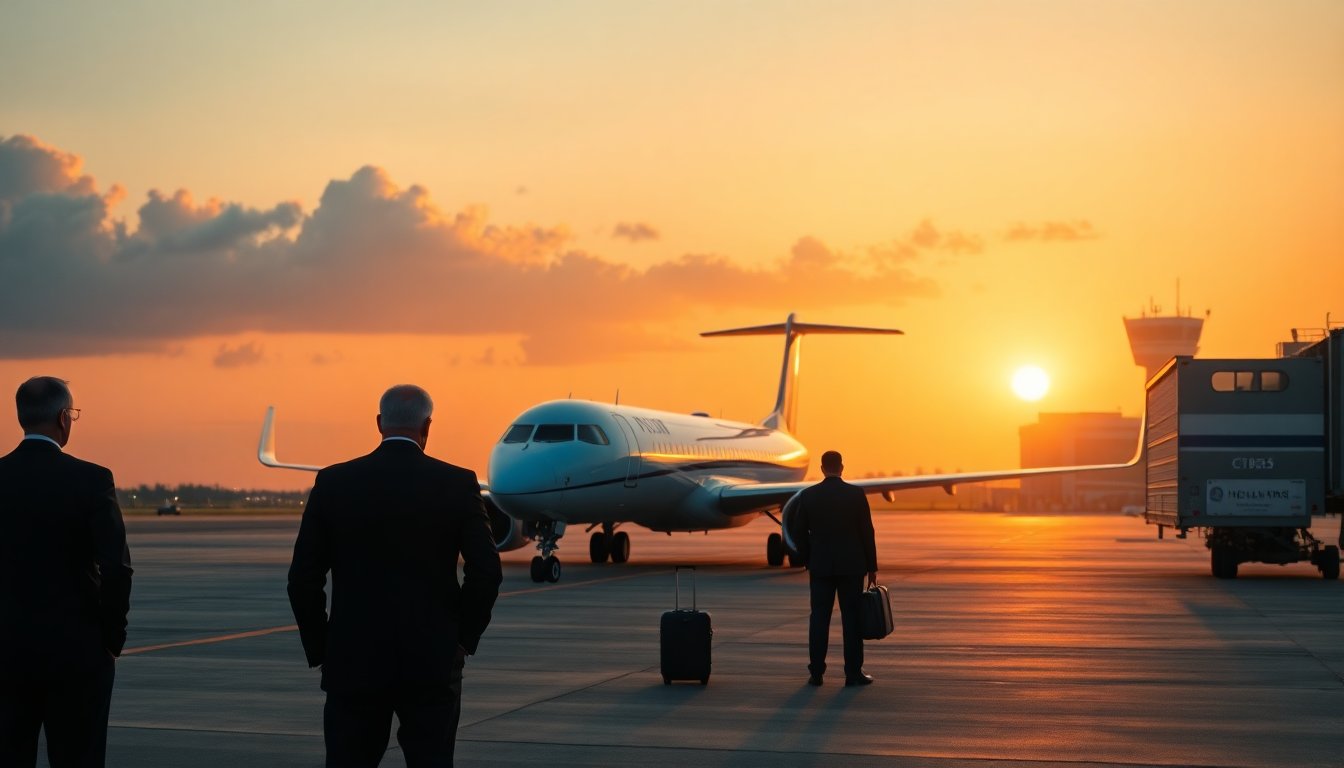
The cancellation of Taiwan President Lai Ching-te‘s trip to Eswatini attracted swift international attention after three countries in the Indian Ocean — Seychelles, Mauritius and Madagascar — revoked permission for his plane to cross their skies. Taipei said the sudden denials came under economic coercion and diplomatic pressure from China, forcing the president to abandon the journey set around 22 to 26 April. Observers noted this marks the first known instance of a Taiwanese head of state cancelling travel because of revoked flight permits, and the episode quickly escalated into a broader debate about influence tactics and the rights of smaller states.
Beijing, for its part, praised the decisions of the three countries while rejecting allegations of coercion. Taipei condemned the moves as interference and signalled it would send a special envoy in place of the president. Washington publicly criticised the airspace denials as evidence of an ongoing campaign to shrink Taiwan’s international space. Analysts and former officials described the incident as part of a sustained effort to limit Taipei’s diplomatic outreach by using a mix of political pressure, financial leverage and diplomatic persuasion.
What unfolded and why it matters
According to officials in Taiwan, the sudden withdrawal of overflight authorization made the president’s planned route to Eswatini unviable and unsafe, prompting the cancellation. The three island nations cited adherence to the one China principle — an understanding Beijing promotes that regards Taiwan as part of China — while Taiwan characterised their actions as driven by outside pressure. The situation underscores how airspace control can act as a geopolitical tool: denying a flight is not merely administrative but can have immediate diplomatic and symbolic consequences that ripple well beyond a single trip.
Why experts see this as an escalation
Observers argue the incident signals a shift in tactics. Where Beijing has long used economic ties and diplomatic persuasion to discourage formal recognition of Taiwan, analysts say adding airspace restrictions to that toolkit represents a novel pressure point. The episode drew comments from experts who pointed to the combination of soft power (investment, loans, development deals) and hard influence (withholding benefits, leveraging debt) that can sway smaller countries. For nations heavily reliant on Chinese financing or trade, the risk of financial repercussions for defying Beijing is a powerful deterrent.
Tools of influence
Specialists highlighted how Beijing’s reach into smaller economies can translate into decisions that look coordinated. Cancelling permissions in three separate countries on the same timeline suggests more than coincidence, said some analysts. They described a pattern where diplomatic outcomes are shaped by a mix of economic leverage, bilateral pressure and the desire of small states to avoid confrontation with a major trading partner. The incident has prompted discussion of how sovereignty over airspace can be used as a diplomatic instrument.
Strategic implications
Beyond the immediate cancellation, experts warned of wider strategic aims: isolating Taiwan to reduce its international options and raising the political cost of recognising or engaging with Taipei. Commentators also speculated that moves like this could be intended to influence domestic politics in Taiwan by signalling to voters that closer ties with Beijing bring fewer frictions. Yet analysts also noted that such tactics can backfire, as populations often resent perceived external interference in their democratic choices.
Responses and the path forward
Taiwan condemned the revocations and framed them as interference in other countries’ affairs; authorities said they would send a special envoy to represent the president at Eswatini events. The U.S. State Department and some lawmakers publicly criticised the three island states for what they called capitulation to Chinese pressure. Beijing publicly praised the decisions and reiterated its position on the one China principle, while denying coercion. The mix of diplomatic statements illustrates how the episode quickly became a focal point for competing narratives about sovereignty, influence and the rights of small states to make independent choices.
Broader context and closing thoughts
This episode sits alongside other recent steps that have heightened tensions across the Taiwan Strait, including increased military activity around the island. Analysts say the airspace denials are consistent with a long-term effort to narrow Taiwan’s international options and discourage official ties. For small nations navigating the relationship between powerful actors, the incident is a reminder that decisions about seemingly technical matters like flight permits can carry outsized diplomatic weight. How governments respond in the coming months—through alliances, public statements or policy changes—will shape whether this becomes an isolated incident or a recurring instrument of pressure.


