
What happened
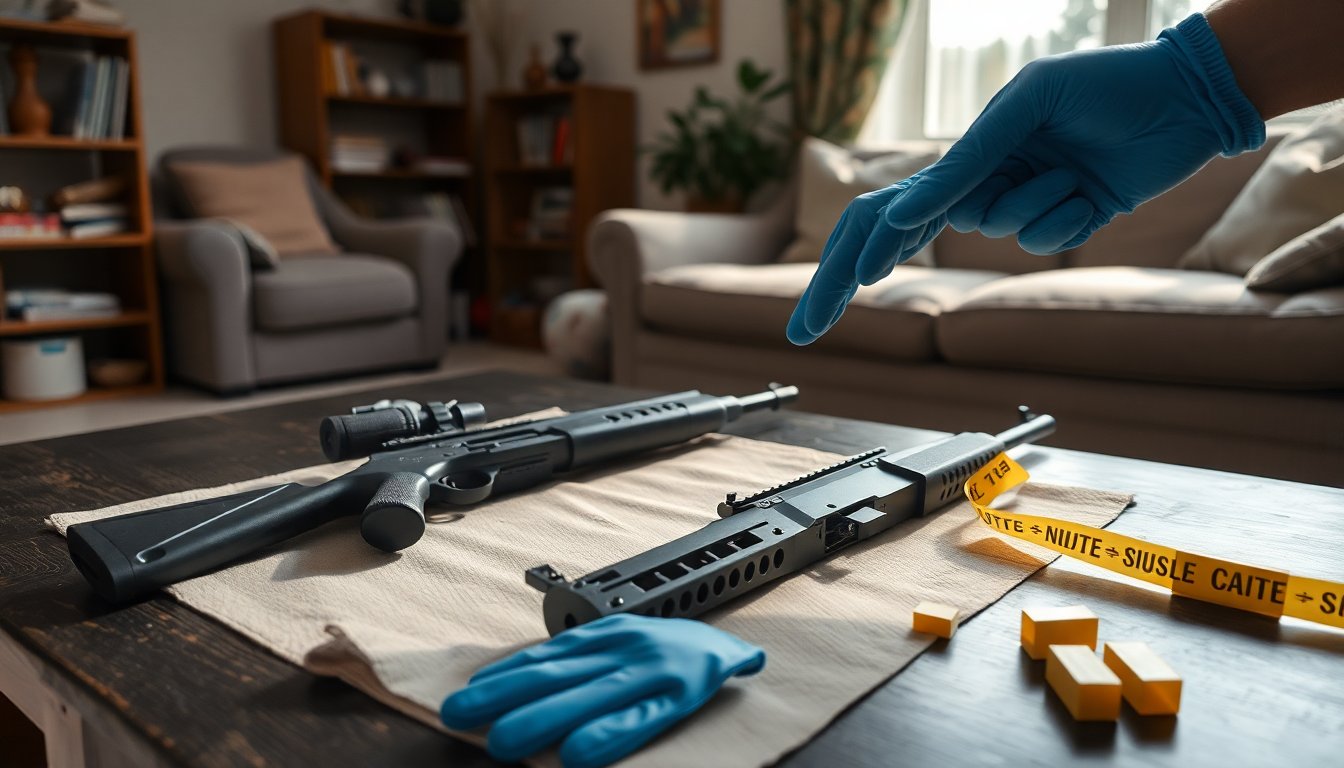
A shooting in Tumbler Ridge that started at a private home and spilled onto a high-school campus has reopened a lot of questions about how — and why — guns taken by police sometimes get handed back. Authorities named the suspect as Jesse Van Rootselaar. Police say firearms were taken from the family home “a couple of years ago” and later returned after a court petition.
Why people are upset
Put simply: people want to know why guns were returned despite earlier mental‑health interventions. That question is now driving political heat, media coverage, and calls for change.
How seizure and return usually work (in plain terms)
– Police can seize firearms using different powers: emergency provincial orders, Criminal Code court orders, or other public‑safety rules. – After a seizure, courts hold hearings. The person who wants the guns back must show they don’t pose a danger. Judges look at medical records, police reports and other proof. – The legal system tries to balance public safety with property and legal rights. That means authorities face a high standard if they try to keep someone’s guns permanently.
Emergency prohibitions — what they do
An emergency prohibition is a short, immediate order that bars someone from possessing firearms and can suspend their licence. It tells people how the guns must be stored, surrendered or removed. The person affected gets notified and can bring a lawyer. A follow‑up hearing decides whether the ban should continue, or if measures like forfeiture, destruction or a multi‑year possession ban are needed.
Why guns sometimes get returned
There are several common reasons:
– Insufficient evidence: allegations without solid proof usually won’t justify long‑term seizure. – Procedural mistakes: if police didn’t follow rules — say an illegal search or messy paperwork — a court might order the weapons back. – Alternative safeguards: judges can impose conditions (supervised storage, interim custody, strict safety rules) that protect the public while returning ownership rights. – Licensing technicalities: if an investigation doesn’t support ongoing action, administrative rules can allow a licence to be reinstated.
What counts as good evidence to get guns back
Courts want current, concrete proof that risk has dropped: recent clinical reports, treatment adherence, absence of violent incidents, secure storage plans, or the person who raised concerns no longer living in the same home. Vague promises or emotional testimony without records rarely carry the day.
The debate — two sides
– Reformers: some politicians and victims’ groups say returns happen too easily and want clearer, tougher rules — longer cooling‑off periods, stricter criteria, or mandatory medical reviews. – Civil‑liberties voices: others warn that overbroad rules could trample due process and unfairly strip lawful owners of their property. They stress judicial discretion and the need for solid evidence.
What policy changes are on the table
Ideas being floated include:
– Clearer statutory standards for when guns can be returned. – Required, audited storage inspections before returns. – Conditional returns tied to verified treatment or monitoring. – Better training for officers making recommendations. – Stronger links between police and mental‑health services, plus more investment in prevention and safe‑storage programs.
Practical complications lawmakers must face
There are messy details: what happens when licences lapse, who in a household can legally access weapons, how to handle minors’ supervised use, and how to keep evidence clean and admissible. Any reform has to work in the real world, not just on paper.
What to watch next
Investigators are still checking whether the guns returned years ago are the same ones used in the attack. Meanwhile, courts, oversight bodies and policymakers are likely to review the case and consider changes. The core tension stays the same: how do we protect communities while respecting legal rights and not punishing people without proof? Fixes could mean clearer rules and better checks — or risky limits on rights. How legislators and courts respond will shape who can get their weapons back, under what conditions, and how we try to stop tragedies from repeating.