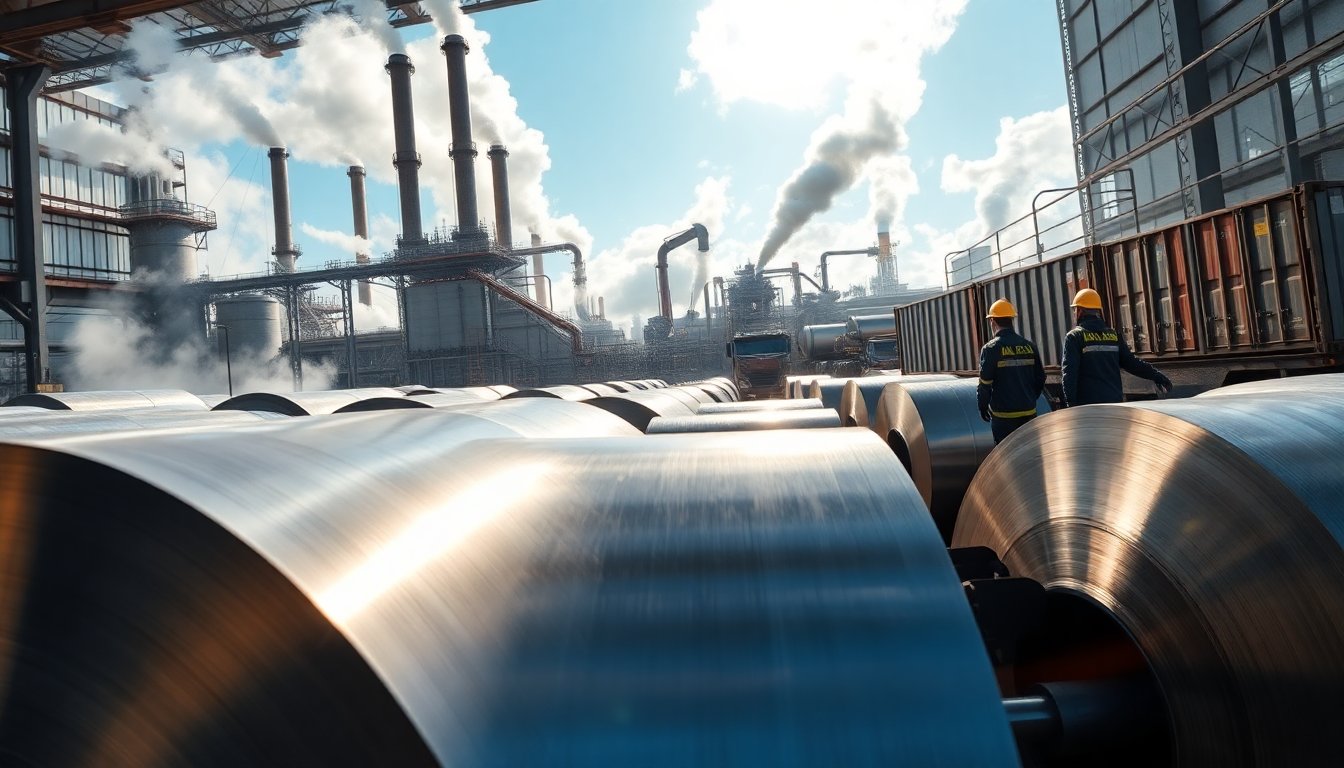
The European Union is poised to implement a strategy addressing steel overcapacity, predominantly caused by China. If approved, the plan would reduce tariff-exempt quotas by nearly 50% and increase tariffs on excess shipments to 50%. This initiative aims to create a more balanced trading environment within the EU’s steel market.
The proposal requires approval from both the European Parliament and the European Council, representing the EU’s 27 member states. It is designed to replace an existing safeguard system expiring in June 2026, establishing a new regulatory framework for steel imports.
The facts
Officials have identified China as the primary source of overcapacity concerns. A senior EU official, who spoke on condition of anonymity, noted the prolonged discussions about this issue, stating, “With China, we have been discussing this question of overcapacities for a very long time.” This reflects the EU’s frustration over the lack of effective solutions.
The implications of reduced quotas
The EU aims to curb the influx of inexpensive steel products that threaten its domestic market by significantly reducing tariff-free quotas. This reduction will help protect local steel manufacturers and potentially stimulate industry growth by promoting competitive practices. A less saturated market could lead to increased innovation and investment, benefiting the broader economy.
Additionally, raising duties on excess shipments intends to deter Chinese producers from saturating the European market with low-cost steel. This measure is expected to create a more level playing field for EU manufacturers, allowing them to better compete against foreign imports that undercut prices. The EU’s approach underscores a commitment to protecting its industrial base and promoting fair trade practices.
Challenges in achieving consensus
However, implementing these changes is challenging. Gaining consensus among the 27 member states can be complex, as each nation has distinct interests and priorities. Some countries may worry that stringent measures could provoke retaliation from China, impacting their economic relationships.
Potential retaliatory measures from China
There are concerns that China may respond to the EU’s proposed tariffs with countermeasures. Such actions could have ramifications beyond the steel sector, affecting various industries and trade relations. It is crucial for EU policymakers to consider the broader implications of their decisions, striving for a balanced approach that addresses overcapacity while mitigating risks.
Moreover, the EU’s trade strategy must remain adaptable to the evolving global landscape. As discussions continue and the proposal progresses through the legislative process, stakeholders will closely monitor developments, particularly regarding China’s response and its impact on the EU’s internal market dynamics.
Looking ahead: A strategic move for the EU
The EU’s proposed overhaul of its steel import tariff and quota system represents a significant step toward addressing the critical issue of overcapacity, primarily from China. By reducing tariff-free quotas and increasing duties on excess shipments, the EU seeks to foster a more equitable trading environment supporting local manufacturers. Successful implementation relies on securing necessary approvals and navigating international trade complexities. The outcome of this initiative could influence how the EU addresses similar challenges in the future.