
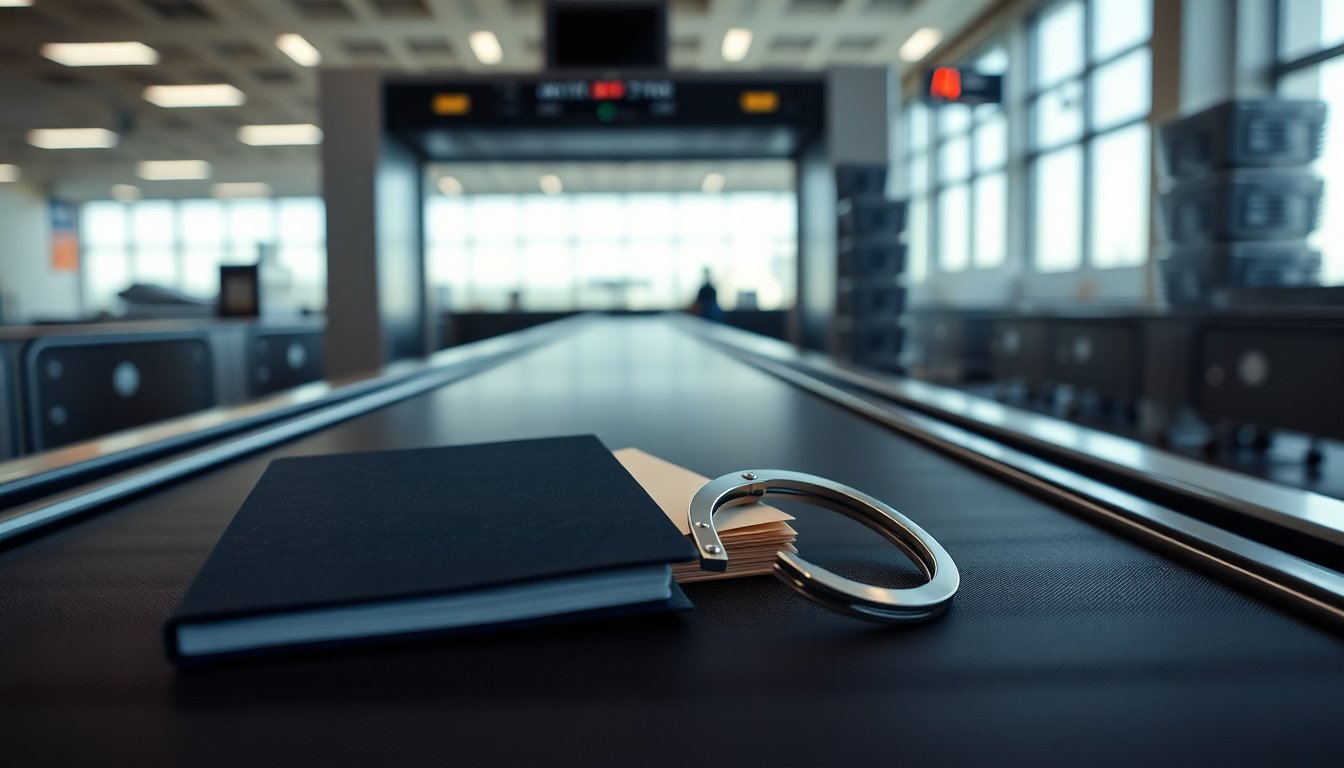
WASHINGTON, April 7 — A Reuters examination of internal records found that U.S. Immigration and Customs Enforcement (ICE) arrested more than 800 people after receiving leads from federal airport security officials between the start of Donald Trump’s presidency and February 2026. The information originated from the Transportation Security Administration (TSA), which supplied records tied to over 31,000 travelers. That figure and the timeline were not previously public, and the data prompted new questions about the intended use of passenger screening systems and how they intersect with immigration enforcement.
The records came from TSA’s Secure Flight Program, originally set up to help identify potential threats to aviation. The program is best described as an automated passenger-screening service that checks traveler information against government watchlists. Officials and advocates say the program was designed for counter‑terrorism purposes, not for routine immigration arrests, yet the recent rollout shows it became a source of leads for ICE operations during the referenced period.
What the records show and how they were used
The documents reviewed by Reuters indicate the TSA provided ICE with passenger data for potential enforcement action, but they do not show exactly how many of the arrests occurred inside airport terminals. In practice, the travel records are valuable because they help enforcement officers know when a person is scheduled to be traveling. DHS did not directly answer detailed questions about the exchanges, instead saying that under the current administration the TSA is seeking measures to “improve resiliency, security, and efficiency” across the system. Publicly available numbers for similar exchanges before the cited presidency were not provided, leaving historical comparison limited.
Secure Flight: original purpose and shifting uses
Created in 2007, the Secure Flight Program was implemented as a tool to detect and deter threats to aviation by comparing traveler data to government watchlists. Critics and legal experts emphasize that this was an anti‑terrorism screening mechanism, not a database intended for immigration sweeps. The recent data-sharing underscores a shift in emphasis: a program framed as counterterrorism being tapped to support a broader mass deportation strategy. That repurposing has drawn scrutiny from civil liberties groups and some members of Congress.
Political backlash and operational consequences
The use of TSA passenger information by ICE unfolded amid a bitter partisan fight over DHS funding since mid‑February. Democrats withheld support for additional funds tied to the administration’s immigration agenda unless there were reforms to curb aggressive enforcement tactics. The impasse stalled a DHS funding bill and contributed to TSA screeners missing at least two paychecks. After some officers began calling in sick, the White House deployed ICE agents to more than a dozen airports in March to assist security operations — a move that Democratic lawmakers criticized as likely to create confusion and fear at airports.
Lawmakers and community response
More than 40 House Democrats wrote to Homeland Security Secretary Markwayne Mullin warning that a sustained ICE presence in airports would alarm travelers and disrupt day‑to‑day operations. Reports of arrests at terminals intensified the debate: attorneys, advocacy groups, and passengers described instances that included a college student stopped while traveling from Boston to Texas in November, a mother detained at San Francisco International Airport right before the deployment, and other families affected by unexpected removals. DHS defended some of the arrests as linked to final orders of removal, but the accounts fueled concern about the intersection of travel and immigration enforcement.
Human impact and lingering questions
Attorneys interviewed by Reuters recounted several cases that illustrate the human consequences of these practices: an Irish couple who had lived in the U.S. for decades were detained in front of their children during travel and later deported while their school‑age children remained with relatives; a Chinese woman with a final order of removal was detained in Atlanta while en route to Philadelphia. Such incidents emphasize the tangible effects on families and travelers and have prompted calls for clearer limits on how passenger data can be used. Key questions remain about oversight, the full scope of the data-sharing before the current administration, and what rules will govern the line between aviation security and immigration enforcement going forward.


