
Table of Contents
The facts
The economic landscape of Cuba faces renewed challenges as PresidentMiguel Diaz-Canelcriticizes recent measures implemented by U.S. PresidentDonald Trump. The introduction of new tariffs on oil trading partners aims to further isolate the island nation, which is already struggling under the weight of longstanding sanctions. This decision has generated significant outrage and concern among Cuban officials and citizens.
Trump’s executive order and its implications
On January 30, former President Trump signed an executive order declaring the Cuban government anextraordinary threatto U.S. national security. This order specifically targets countries that supply oil to Cuba, imposing potential punitive tariffs on them. In a swift response, Cuban President Miguel Diaz-Canel characterized these actions as an attempt tosuffocateCuba’s economy under the pretext of national security. He argues that the U.S. is deploying a false narrative to justify measures that ultimately harm the Cuban population.
Public backlash in Cuba
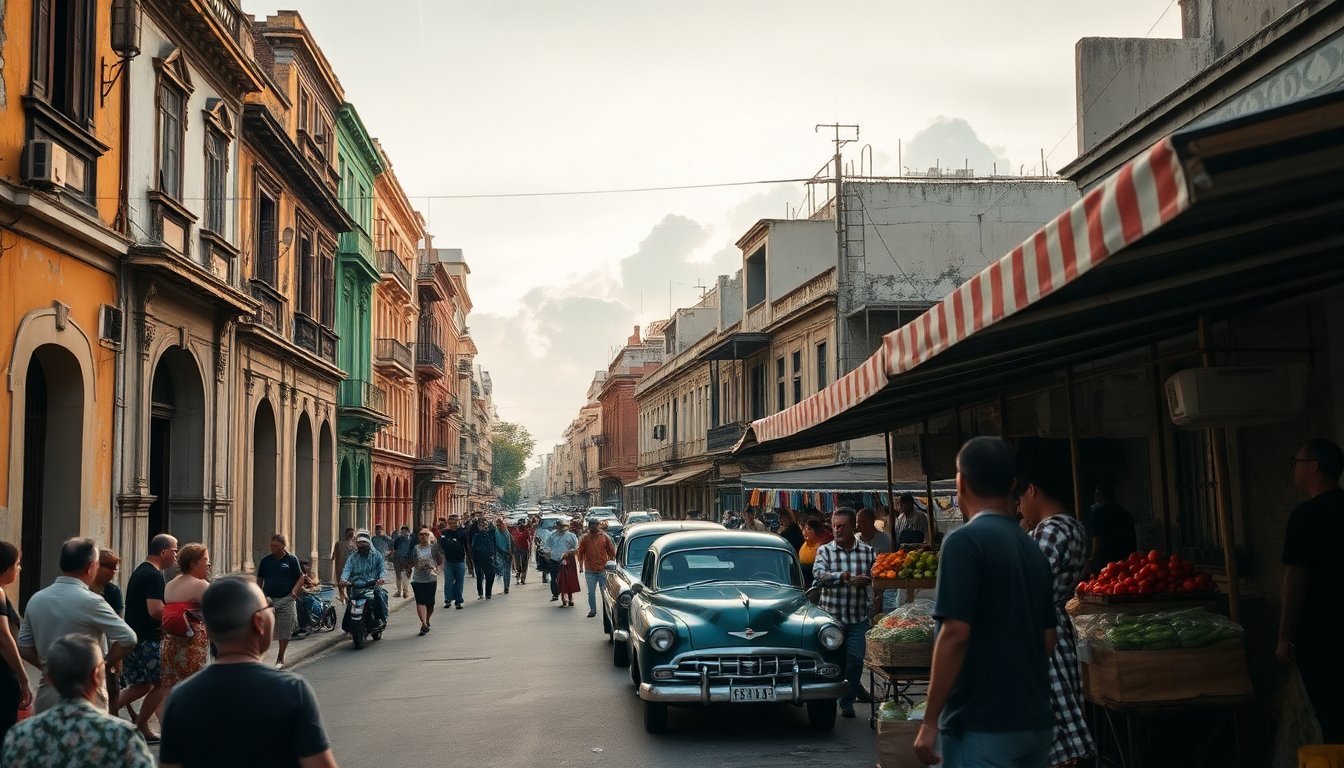
Residents of Havana have voiced significant frustration regarding deteriorating economic conditions, worsened by recent tariffs. For many Cubans, the struggle to secure basic necessities has intensified. Local residentYenia Leonhighlighted the frequent power outages that make daily life increasingly challenging. “We have to buy food every day, and with no electricity, it’s impossible to keep things fresh,” she stated, emphasizing the dire circumstances faced by many.
Additionally,Lazaro Alfonso, an elderly graphic designer, compared the current situation to living in a lawless environment, saying, “This feels like a war.” His remarks reflect a growing sentiment that U.S. sanctions have transformed economic hardship into a form of psychological warfare against the Cuban populace.
International reactions to U.S. actions
Cuba’s foreign minister,Bruno Rodriguez, has declared aninternational emergencyin response to the recent tariffs. He argues that these measures pose a significant threat to the nation’s sovereignty. The international community, especially allies likeVenezuela, has expressed strong opposition to Washington’s actions. Venezuelan officials condemned the tariffs, claiming they violate international law and disrupt global commerce.
Potential humanitarian crisis
The implications of the current sanctions are severe, threatening to trigger a humanitarian crisis in Cuba. The nation is experiencing dwindling essential supplies, which could lead to an imminent energy shortage. Experts warn that a halt in oil shipments would have catastrophic effects on transportation, healthcare, and food supply.Mexico, a key supplier of fuel to Cuba, is now reevaluating its support due to U.S. pressure.
Mexican PresidentClaudia Sheinbaumhas expressed a willingness to seek diplomatic solutions to assist Cuba. She noted that cutting off oil shipments could result in dire consequences for the Cuban population. “Our interest is that the Cuban people don’t suffer,” she stated, underscoring the necessity of international solidarity during crises.
Long-term consequences of U.S. sanctions
The U.S. has maintained a trade embargo against Cuba since 1962, aiming to destabilize the communist regime. Recent assessments by international experts, including a senior UN rapporteur, call for the lifting of these sanctions, citing their detrimental effects on human rights and The sanctions have led to shortages of food, medicine, and essential services, pushing many Cubans to consider emigration as a desperate option.
Diaz-Canel’s administration continues to assert that these sanctions are not merely economic tools but weapons aimed at undermining the Cuban government. The ongoing crisis raises questions about the sustainability of Cuba’s economy amid such relentless external pressures.
As the situation unfolds, the Cuban people remain resilient. However, the path ahead appears fraught with challenges. Their ability to navigate the economic landscape will depend not only on domestic policies but also on the international community’s response to U.S. actions.