
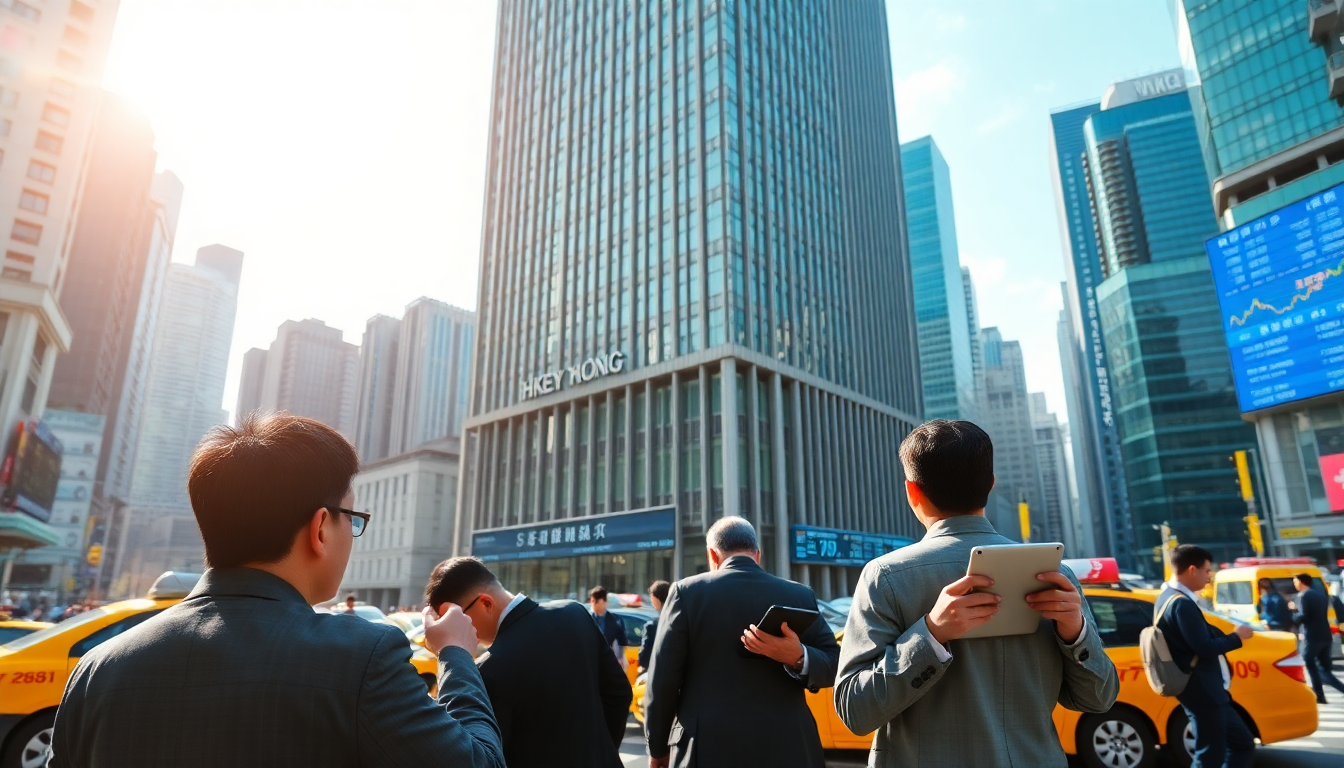
Exciting news from the Hong Kong Stock Exchange (HKEX)! They’ve just announced a big change: they’re reducing the minimum trading spreads for stocks priced between HK$10 and HK$50. This reform isn’t just a number game; it’s all about making trading more engaging and accessible for everyone, especially international investors. So, what does this mean for you if you’re interested in the Hong Kong financial scene?
What’s Changing with Trading Spreads?
Here’s the scoop: the HKEX is significantly slashing the minimum spreads for stocks in this price range. For stocks valued between HK$10 and HK$20, the minimum spread is being cut in half to just HK$0.01. If you’re looking at stocks priced from HK$20 to HK$50, the spread will drop by 60%, going from HK$0.05 to HK$0.02. This move follows extensive discussions where stakeholders emphasized the need for more competitive conditions in trading.
So, why is this important? By narrowing the spread, the HKEX aims to lower the costs of trading. This could encourage both retail and institutional investors to dive into the local stock market more actively. Increased liquidity is essential for a thriving market, and this could be the boost it needs!
How Will This Affect Market Activity?
Currently, there are around 300 stocks, exchange-traded funds, and REITs that fall into the HK$10 to HK$50 bracket. That’s about 30% of the average daily turnover on the exchange. With the reduced trading spreads, we can expect a noticeable uptick in transactions as the entry costs for investors decrease.
Robert Lee Wai-wang, a well-known lawmaker and chairman of the Grand Finance Group in Hong Kong, is optimistic about these changes. He believes that lower trading costs will draw more participants into the local stock market, creating a lively trading environment that can enhance overall turnover. With Hong Kong aiming to maintain its status as a top international financial center amidst stiff competition, this change comes at a crucial time.
What’s the Long-Term Picture for Hong Kong’s Stock Market?
Looking down the road, these trading reforms could have lasting effects beyond immediate trading activity. By improving the trading landscape, the HKEX is setting the stage to attract a diverse mix of investors, including those from abroad. The long-term perks of increased trading volumes and enhanced market efficiency could contribute to a stronger financial ecosystem.
And as the market adjusts to these changes, we might witness a shift in how investors play the game. With lower trading costs, there’s a good chance that more frequent trading will become the norm, which could lead to a rise in algorithmic and high-frequency trading practices. This evolution could spice up market dynamics and spark innovation in trading infrastructure.
In a nutshell, the HKEX’s decision to cut minimum spreads is a game-changer for Hong Kong’s stock market. As investors and market participants adapt to these new conditions, the potential for increased trading activity and competitiveness is huge. So, keep an eye on these developments—they could reshape the investing landscape in Hong Kong!


