
Table of Contents
In January 2025, the Memorial Human Rights Center, a group of dedicated Russian human rights activists, initiated its inaugural monitoring mission in Ukraine following the Kremlin’s extensive invasion. The findings from this mission culminated in a comprehensive report that sheds light on the war crimes committed by Russian forces, including a disturbing section on the treatment of Ukrainian prisoners of war and civilian detainees.
Drawing on the harrowing accounts of both former and current Ukrainian prisoners, the report paints a bleak picture of life within ten Russian penal colonies and detention centers. The global initiative Tribunal for Putin (T4P) estimates that a staggering 280 such facilities exist, with 196 in Russia and an additional 84 in occupied Ukrainian territories.
Conditions in Russian detention facilities
The human rights observers meticulously interviewed two Ukrainian servicemen who had endured captivity in Mariupol during the spring of 2025. One of the soldiers, referred to as “AA”, was liberated in a prisoner exchange in, while the other, known as “VV”, was released earlier, in.
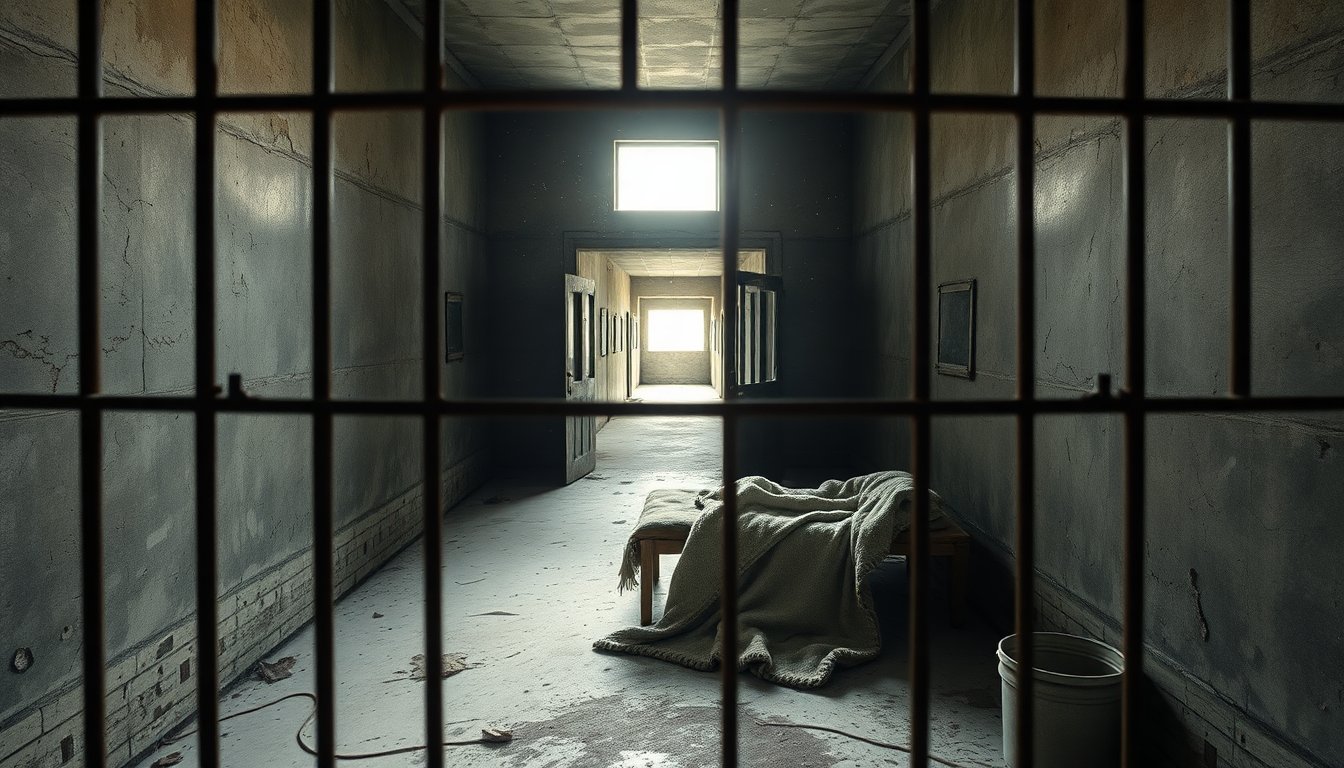
Upon their capture, both soldiers were transported to a makeshift detention center in Olenivka, situated in the occupied Donetsk region. This center, a repurposed penal colony, quickly became overcrowded, housing around 200 prisoners without adequate preparation. The facility lacked basic amenities, with windows covered in plastic, missing toilets, and no access to running water or heating. Initially, prisoners had to sleep on bare concrete floors, and even after receiving mattresses, space was so limited that they had to take turns sleeping.
Brutality upon arrival
Upon arrival at Olenivka, prisoners endured a brutal initiation, forced to sprint through a gauntlet of prison guards who physically assaulted them. According to AA, those who collapsed from the beatings were mercilessly punished, dragged to a wall, and made to stand with arms outstretched while being struck repeatedly.
Meals were meager and tightly timed, with only two to three minutes allocated for eating. Attempting to save a portion of food for later resulted in severe punishment, including prolonged squatting, beatings, and forced singing of Russian songs. The daily sustenance consisted primarily of bread, with a scant serving of pearl barley or sauerkraut at lunch, and the most significant challenge was the scarcity of potable water, which was delivered in foul-smelling containers.
Interrogation and torture methods
During their time in detention, prisoners faced harrowing interrogation sessions. They were often forced to assume a hunched position, their heads lowered to avoid seeing their interrogators. Questions revolved around their battlefield roles, orders received, and injuries sustained, with particular emphasis placed on members of Ukraine’s Azov Regiment. Abuse was routine, with prisoners suffering beatings and torture, including broken fingers to extract confessions.
VV recounted a tragic incident in, when a missile strike on Olenivka resulted in the deaths of numerous Ukrainian prisoners. He was in a nearby barracks and could hear the screams of those trapped in the burning structure, yet no assistance was provided.
Transfer to harsher conditions
In, AA was moved to Pretrial Detention Center No. 2 (SIZO-2) located in Ryazhsk, Russia. Following their arrival, many prisoners faced immediate beatings from guards, including a harrowing run through a corridor where they were kicked and struck with batons. AA described the interrogation rooms, which were equipped with instruments of torture such as PVC pipes for beatings, electric shock devices, and bags used to suffocate prisoners.
Over a span of two and a half months, AA endured 35 interrogation sessions, each lasting between 30 minutes to an hour and a half. Those who capitulated under the torture were sent to a prison colony in Makiivka, further compounding their suffering.
Systematic brutality in detention centers
Reports indicate that prisoners faced daily violence during roll call, where guards and special forces officers took pleasure in inflicting pain. AA recounted being beaten on four separate occasions, leading to his eventual transfer in to Penal Colony No. 10 (IK-10) in Udarny, Mordovia.
This facility was notorious for its harsh ‘intake’ process, where new arrivals were stripped naked and beaten with rubber batons, often forced to lie on the ground for further punishment. Once housed in cramped quarters, prisoners were subjected to strict regulations, only allowed to relieve themselves or drink water when permitted. Showers were limited to three minutes, and any minor infraction resulted in severe beatings or attack dogs being unleashed on them.
Medical neglect and ongoing torture
AA reported that the first six months in IK-10 were marked by continuous torture, leading to severe health complications among prisoners, including varicose veins and gangrene. Medical care was scarce; although three doctors were on staff, not all prisoners received treatment. One doctor attempted to mitigate the abuse during examinations, while another, dubbed “Doctor Evil,” was notorious for using electric shocks as treatment.
In summary, the accounts from these Ukrainian prisoners reveal a deeply troubling landscape of abuse and inhumanity within Russian detention facilities. The systematic torture and severe conditions they endured illustrate the urgent need for international attention and accountability regarding these human rights violations.