
Table of Contents
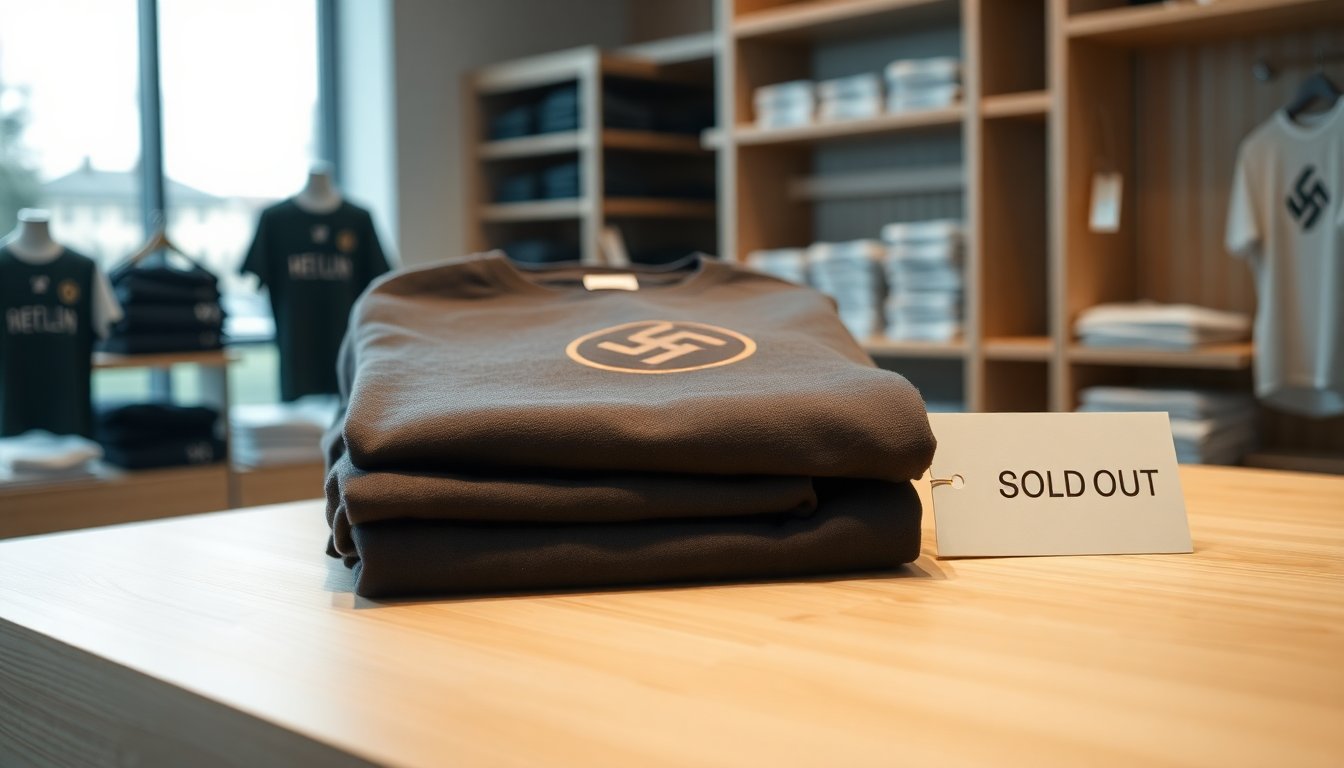
The International Olympic Committee’s online store recently listed a limited-edition T-shirt reproducing the official poster from the 1936 Berlin Olympic Games. That image — originally created by German artist Franz Würbel and used during an Olympics hosted under Adolf Hitler’s regime — touched off a wave of public criticism when it appeared as part of the IOC’s Heritage Collection, which showcases design and artwork from past Games.
Opponents say the shirt evokes a period when the Olympics were exploited for political propaganda; supporters within the IOC argue the release recognizes design history and the athletic achievements that occurred at those Games. The item is now reported as sold out, with the committee attributing that to a limited production run.
Why the image is controversial
The 1936 Berlin poster is widely remembered not only as a piece of sporting ephemera but also as a tool employed by the Nazi government to project its ideology. Critics—ranging from Berlin politicians to international Jewish advocacy organizations—have called for the product’s removal from the shop, labeling its sale as tone-deaf and harmful. Historical context matters here: the poster was displayed at an event that took place under a regime responsible for atrocities later in the 20th century.
Voices of opposition included Klara Schedlich, a sports policy spokesperson for Berlin’s Green Party faction, who criticized the IOC for not sufficiently reflecting on its institutional past. Similarly, advocacy groups and commentators described the offering as unacceptable without stronger contextual framing or clear repudiation of the Nazi propaganda that surrounded those Games.
Responses from advocacy groups and historians
Jewish organizations and activists responded sharply. Liora Rez, founder of StopAntisemitism, labeled the sale a “shame,” citing a history of painful Olympic-related incidents—such as the 1972 Munich attack—and arguing the committee has previously fallen short on commemoration. Filmmaker Yoav Potash, whose work examines Holocaust-era stories, called the item a “sickening affront to human decency,” urging the IOC to acknowledge the role the 1936 event played in Nazi propaganda.
These critics emphasize that presenting imagery tied to a genocidal regime as collectible memorabilia risks normalizing or sanitizing the broader historical reality. They also argue that the emotional impact of such images must be weighed against any curatorial or design-focused intentions.
The IOC’s explanation
In reply to criticism, the IOC highlighted that the shirt was part of a curated set of items in the Heritage Collection intended to “celebrate the art and design of the Olympic Games.” The committee pointed out that the Berlin Games included competitors from 49 countries and featured 4,483 athletes competing across 149 medal events. The IOC also noted that the historical materials are further contextualized at the Olympic Museum in Lausanne.
Officials told reporters the run was deliberately limited, which explains the sold-out status; they reiterated the dual nature of the 1936 Games as both a site of sporting achievements and a subject of uncomfortable historical realities.
The athletic legacy within a fraught history
Among the sporting stories from Berlin often cited in these debates is the performance of Black American sprinter Jesse Owens, who won four gold medals and publicly undermined the Nazi narrative of racial superiority. Critics of the T-shirt’s sale say accomplishments like Owens’s should be remembered within an honest account of the era’s political abuses, not celebrated alongside imagery used for propaganda without explanatory framing.
The controversy underscores a broader tension about how global institutions handle artifacts that are simultaneously works of design and symbols of oppressive political movements. Museums and archives generally provide extensive interpretation for such items; critics argue that commercializing the poster as apparel fails to meet the same standards of explanation and sensitivity.
What comes next
With the item sold out, calls for the IOC to revise how it presents sensitive historical material persist. Observers suggest clearer contextual notes on product pages, partnerships with historical institutions for commentary, or refraining from producing wearable merchandise tied to regimes responsible for mass persecution. The debate highlights ongoing questions about memory, commemoration and the responsibilities of sporting organizations when they curate their own past.
Whatever the resolution, the episode has prompted renewed scrutiny of how the Olympic movement balances design heritage with ethical considerations. The story serves as a reminder that visual artifacts carry meanings beyond aesthetics and that institutions that display or distribute them are accountable for the narratives they amplify.