
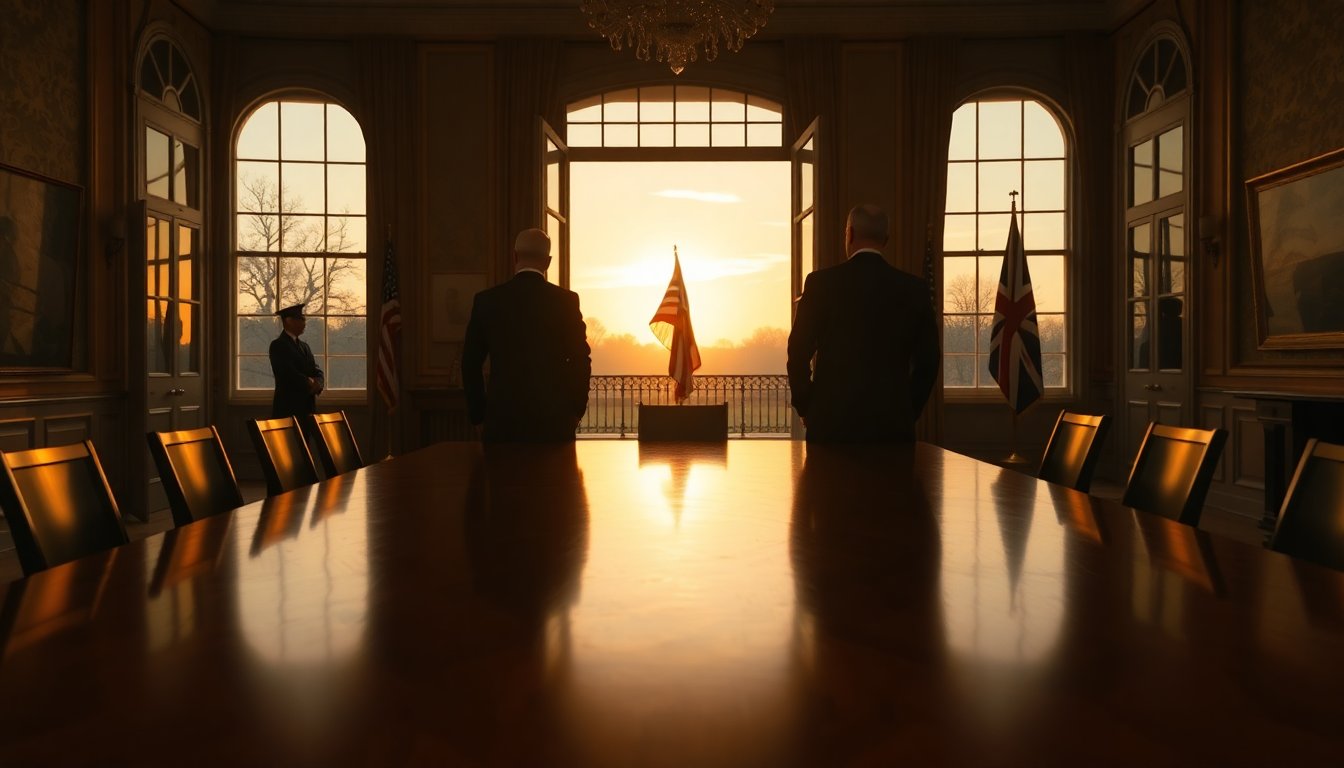
The upcoming four-day state visit to the United States by King Charles arrives as a focal point for both ceremony and diplomacy. In a recent interview with the BBC, President Donald Trump suggested the trip could “absolutely” aid in repairing strained US-UK relations. The visit is timed to mark the 250th anniversary of American independence and is presented by officials as a celebration of shared history, security cooperation and economic ties. At the same time, attentions are on the wider strategic questions, such as disagreements tied to the Iran war and how transatlantic partners position themselves in a volatile security environment, making the itinerary politically resonant as well as ceremonial. The presence of the monarch on US soil is intended to underscore enduring bonds, but symbolism may collide with substance.
Beyond geopolitics, the trip will play out against the backdrop of family controversies that have unsettled the British public and complicated the monarchy’s image. In October 2026, the King announced he would remove titles and honours from his brother, Andrew, after long-running scrutiny over the late financier Jeffrey Epstein. Those concerns have included a civil settlement in February 2026 and further legal scrutiny that led to Andrew being released under investigation in February 2026. Campaigns by survivors seeking meetings with the King and Queen have added another layer of public interest; palace officials have indicated no sittings with survivors are planned on the US leg of the visit. Meanwhile, the King’s health and schedule — including a cancer diagnosis and ongoing treatment that he has described publicly — have shaped which public duties he will carry out and how the visit will be presented.
Why the visit matters
The trip is not merely ceremonial: it is a diplomatic instrument intended to refresh the so-called special relationship at a moment of friction. A state visit traditionally combines pomp with private conversations between heads of state and government, allowing space for sensitive discussion away from headline-driven politics. For Washington and London, the meeting offers a chance to coordinate on defence, trade and energy, while signalling continuity of alliance to allies and adversaries alike. Yet the visit will be scrutinised for whether it produces tangible policy alignment—especially over responses to the Iran war—or simply serves as a high-profile reaffirmation of partnership. How leaders manage optics, from public ceremonies to closed-door briefings, will shape perceptions of whether the visit truly moved the relationship forward.
Diplomatic headwinds and royal controversies
Even as the palace plans ceremonial moments, a number of controversies shadow the week. The fallout from allegations connected to Jeffrey Epstein prompted the King in October 2026 to rescind titles for Prince Andrew, a move that sought to draw a line under reputational damage to the institution. Legal history in this area includes the February 2026 civil settlement involving Virginia Giuffre, and subsequent investigations in February 2026. These developments intersect with public calls for accountability and raise diplomatic sensitivities in the United States, where survivors have urged meetings with the royal visitors. The palace’s decision not to hold such meetings in the US reflects a careful balancing act between sympathy for survivors and the constraints of state protocol and schedule.
What the King does and how the monarchy is funded
Understanding the monarch’s role helps explain why a state visit matters beyond ceremony. As head of state, the King performs largely ceremonial duties—receiving daily briefings in the familiar red box, meeting the prime minister in private sessions and formally giving Royal Assent to legislation. He is also head of the Commonwealth and holds numerous patronages tied to charities and cultural institutions. The monarchy’s finances come from several sources: the Sovereign Grant, linked to Crown Estate profits, rose from about £31m in 2012 to £86.3m in 2026-22 and remained at that level through 2026-25 as major building projects continued; officials have said the grant was expected to decrease after the work concludes in 2026-27. The private Duchy of Lancaster was reported worth £679m and generated a surplus of £24.4m for the year to 31 March 2026, while the Duchy of Cornwall—benefiting the Prince of Wales—was valued at about £1.1bn with a net surplus of £22.9m to 31 March 2026. These financial arrangements influence both public debate and how the royal household sustains its official duties.
Public sentiment and what to expect
Public attitudes toward the monarchy remain mixed, and the state visit will be measured against those views. Polling has shown that a majority—around 62%—favour keeping the monarchy, while roughly 26% prefer an elected head of state; support varies sharply by age, with about 80% of over-65s backing the institution but only about 37% of 18-to-24-year-olds doing so. Succession remains clear: Prince William is first in line, followed by Prince George, Princess Charlotte and Prince Louis, with Prince Harry farther down the order. In diplomatic terms, the visit is likely to produce carefully staged successes—a warming of public language, joint appearances and policy statements—while leaving more contentious disagreements, including those over the Iran war and unresolved questions around the Epstein affair, to be worked on behind closed doors. Ultimately, the trip will be judged by whether it renews trust and cooperation in tangible ways or simply provides symbolic optics.


