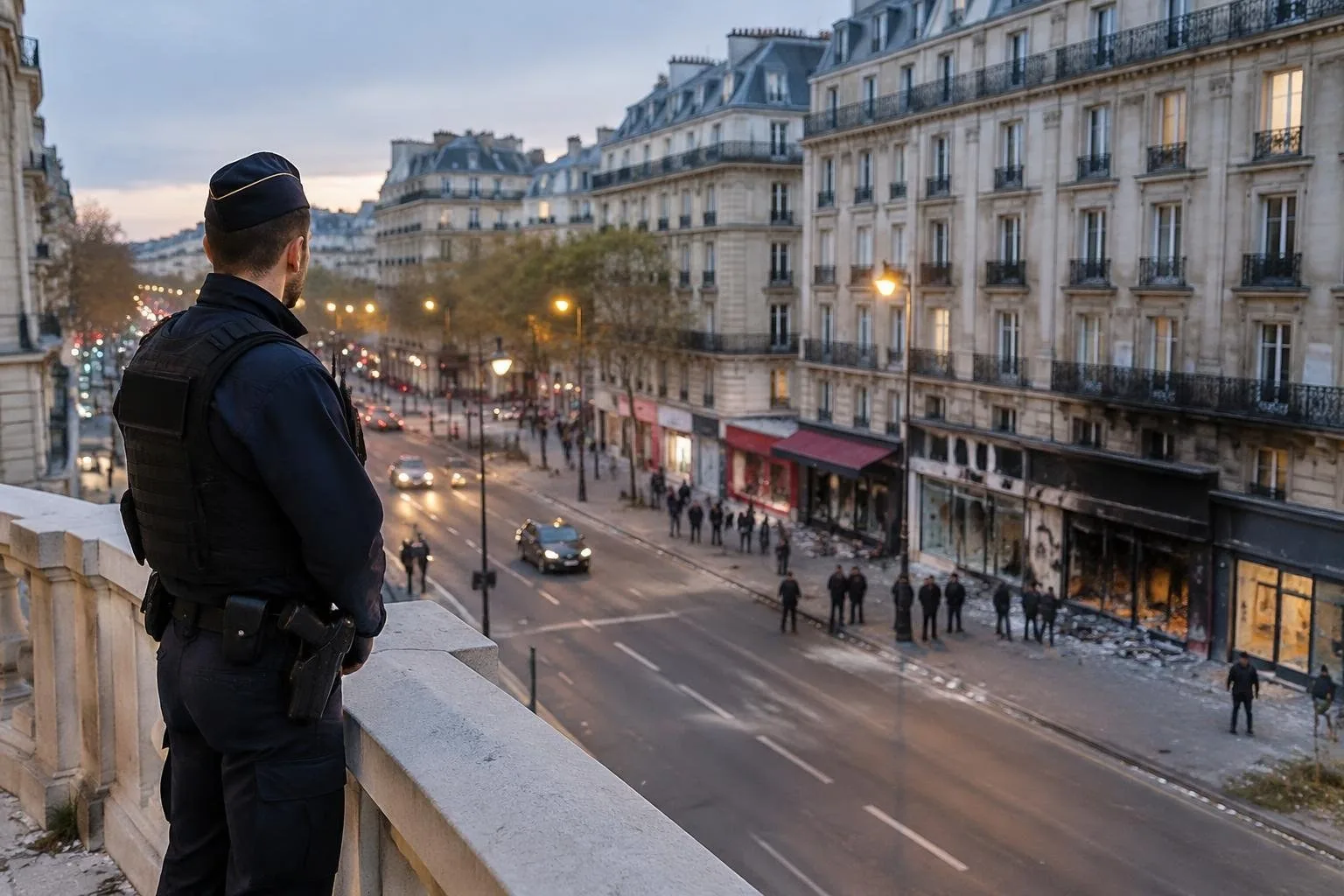

Over the past weekend, France saw an unprecedented surge of protests sparked by soaring living costs and a wave of student demands for better education funding. Demonstrations that began peacefully in several towns quickly escalated into clashes, with public buildings set ablaze, shops looted, and dozens of law-enforcement officers wounded. The turbulence stretched from Paris to Lyon, Bordeaux and Nice, prompting authorities to act decisively to restore order.
According to the Interior Ministry, the unrest resulted in nearly 2,400 arrests and left almost 1,000 police officers and gendarmes injured. President Emmanuel Macron, addressing the nation on Sunday, described the aftermath as a source of “anger and shame” and promised full transparency regarding the security forces’ response.
Partial curfews in key urban zones
In an effort to curb further looting, officials announced a partial curfew for the heart of Paris. The restriction covers Place de la Republique and the streets surrounding Les Halles, taking effect on Monday night at 11 pm and remaining in force until 6 am on Tuesday. Similar measures were rolled out in Lyon, Bordeaux and Nice, where police have been deployed in large numbers to protect commercial districts.
Photographs taken outside the Lyon tourist office on October 19 showed crowds lighting candles in a somber vigil, underscoring the tension that still hangs over the city. In Marseille, a temporary ban on public gatherings was issued for Monday between 12 pm and 8 pm, a direct reaction to the intense rioting that saw 107 police officers injured three of them very seriously.
Political fallout and calls for accountability
Interior Minister Laurent Nunez publicly admitted that police had “lost control” of the situation in several municipalities over the weekend. He submitted his resignation, taking personal responsibility for the security lapse, but President Macron rejected the offer, instead urging a swift review of police tactics and a move to make the streets safer.
Prime Minister Sébastien Lecornu signalled that a state of emergency is being considered if the violence persists, while also endorsing the newly-imposed partial curfews. Mayors of Paris, Lyon and Marseille have jointly called for an independent inquiry, questioning why some areas were left “unprotected” for up to half an hour while looting continued unchecked.
The Yellow Vest movement responded by announcing a second round of demonstrations slated for Saturday, October 24. Benjamin Ball, the movement’s website editor, warned of a clear “push for Act II” suggesting that the unrest may not be isolated to a single episode.
Student activism and cultural disruption
Parallel to the broader unrest, a coalition of high-school students staged a blockade at the Louvre museum, unfurling a banner that read, “French public services are falling apart.” The protest forced the world-famous museum to close its doors temporarily, highlighting the depth of frustration among young citizens who feel ignored by governmental policies.
Olga Givernet, a member of President Macron’s party, urged a nuanced view of the events, distinguishing the peaceful student march from the violent riots. She called for a “wider context” to address the “unacceptable” conditions in schools while condemning the destructive actions that have marred towns across the nation.
As the country grapples with the immediate security challenges, the combination of curfews, political resignations, and renewed protest calls signals a pivotal moment for French democracy. The coming days will reveal whether the government’s emergency measures, the judiciary’s investigations, and the public’s demands can converge into a lasting resolution.