
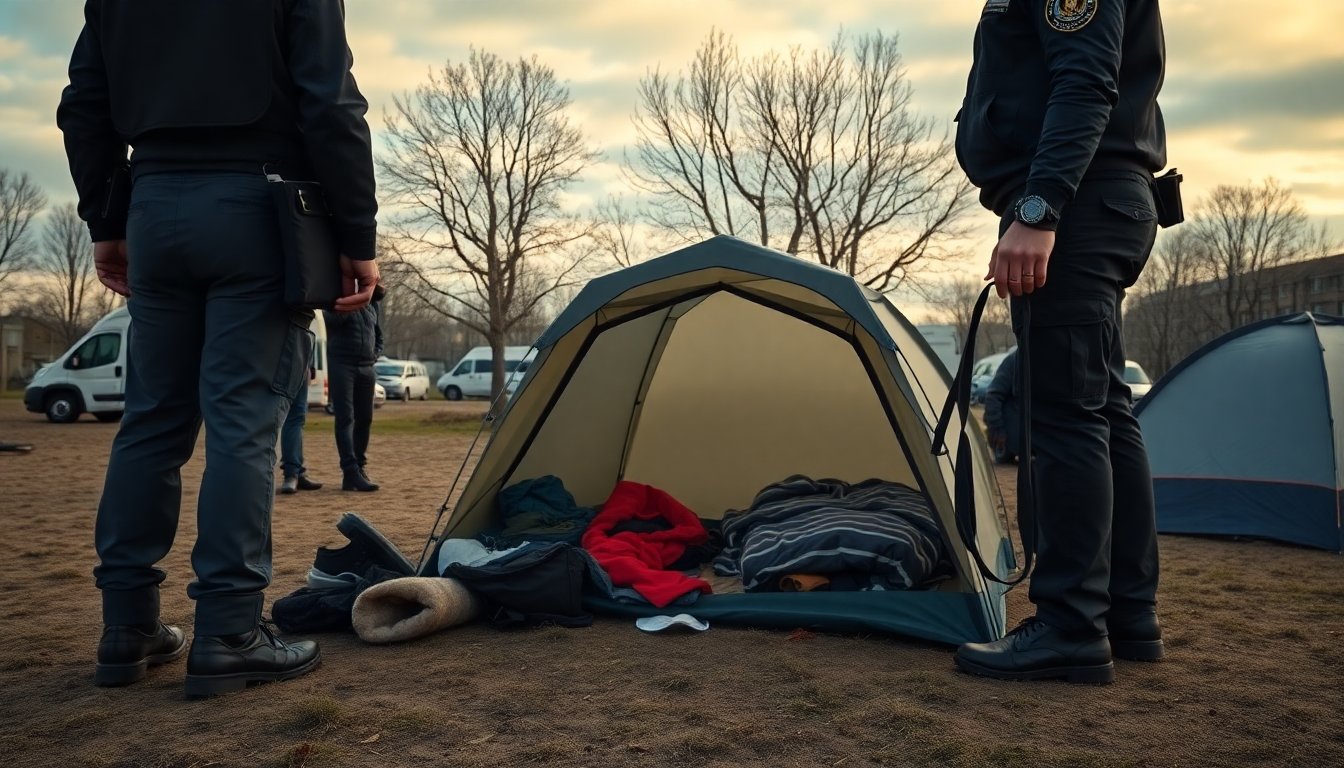
When the Milano Cortina 2026 Games opened, one of the first off-ice headlines wasn’t about a podium sweep but about a long-running manhunt coming to an unglamorous end: a campsite on Milan’s outskirts.
The arrest
Staff at the campsite noticed something during routine check-in: the personal details entered into their reservation system triggered an alert. The guest, a 44-year-old Slovak man wanted in Italy on theft convictions dating back to 2010, was reported to the carabinieri. Officers confirmed an outstanding warrant and took him into custody, then transferred him to San Vittore prison to begin serving a sentence of 11 months and seven days. According to authorities, this action enforced a prior judicial decision rather than opening a new prosecution. Police also say the man had told staff he was in town to attend Slovakia’s game against Finland at the Santagiulia Arena — a match Slovakia later won 4-1 — but was prevented from going to the arena once his identity was confirmed.
How it unfolded
What looks like a routine hospitality interaction became decisive because the campsite’s registration system was linked to police databases. The automated match prompted staff to call law enforcement, who escorted the guest to a local station for processing before arranging his transfer to prison. There were no reports of additional charges at the scene.
Why it matters
This incident is a clear example of how ordinary administrative processes can yield meaningful investigative results. When accommodation and transport providers use software that cross-references guest information with law-enforcement alerts in real time, even decade-old warrants can surface quickly — and without large, resource-intensive operations.
Where concerns arise
Not everyone welcomes automatic flagging. Civil-rights and privacy advocates warn that such systems risk false positives and unfairly stigmatizing people, especially when records are outdated or mistaken. They argue for faster, transparent ways for flagged individuals to contest information and for limits on how alerts are generated and used.
Practical safeguards
Experts suggest several guardrails to balance safety and privacy: clear, contractual data-sharing rules with vendors; strict retention limits for personal data; mandatory human review before any escalation; and detailed audit logs showing who accessed which records and why. These steps can cut down on errors and ensure responses are proportionate.
What this means for future events
Organizers will likely tighten pre-event vetting and bolster on-site identity checks. Hotels, short-term rentals and transport providers may be asked or required to run names against shared alert lists, and venue staff could be added to notification chains so authorities are alerted more quickly. From a policing perspective, the case underscores the benefits of integrated systems: when hospitality checks and law-enforcement databases talk to each other, long-standing evasion can be resolved with minimal disruption to large-scale events.
Still, any expansion of these systems needs legal clarity and open communication so visitors understand how their data might be used. Done poorly, automated flagging risks eroding trust; done thoughtfully, it can make crowded, high-profile gatherings both safer and more orderly.