
Table of Contents
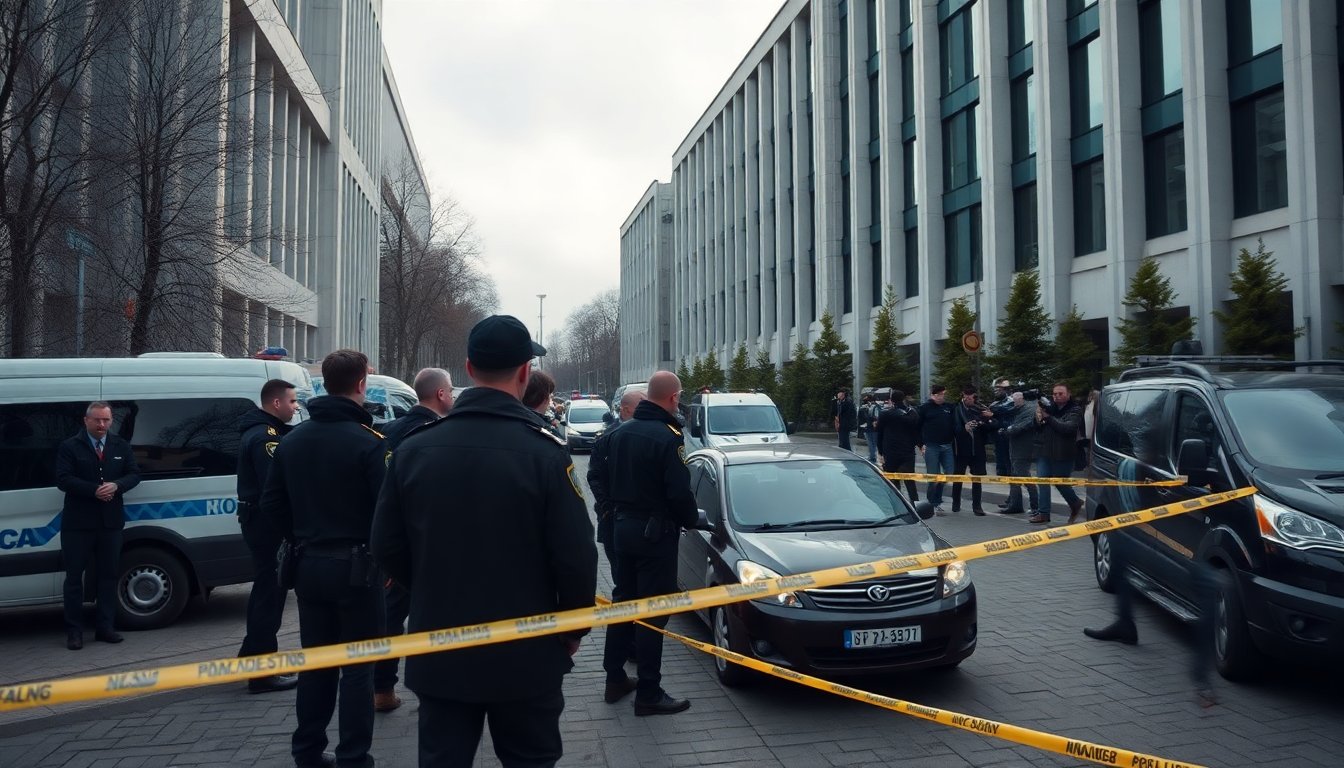
In a significant development in Moscow, authorities have detained a 16-year-old boy in connection with the alleged murder of Alexey Belyaev, a senior official at Russia’s censorship agency, Roskomnadzor. The incident, which occurred on January 19, has prompted a media blackout, with state and pro-Kremlin outlets reportedly instructed to avoid coverage of the event.
Belyaev, who served as the deputy head of Roskomnadzor’s Internet censorship department, was attacked while leaving the agency’s headquarters. Reports suggest that the teenager allegedly stabbed him in the chest.
Details of the incident
Sources, including the anonymous Telegram channel VChK-OGPU, indicate that FSB agents arrived at the scene shortly after the stabbing and enforced strict confidentiality regarding the case. The absence of reports from reputable news agencies and social media platforms linked to the security services raises concerns about the investigation’s transparency.
Investigative findings
The suspect, identified as Artyom A., reportedly has a history of opposing Roskomnadzor’s activities. His mother, Inna A., inadvertently disclosed details about the case while seeking legal representation for her son online. In her now-deleted posts, she claimed that investigators accused Artyom of murder motivated by political or ideological reasons, suggesting premeditation.
Additionally, sources reveal that Belyaev had been with Roskomnadzor since 2011 and received commendations from President Vladimir Putin in 2017 for his contributions to the communications sector, particularly for ensuring the functionality of the electronic voting system used in Russian elections.
The suspect’s background
Artyom A. is believed to have been active on social media, including a YouTube channel where he shared his views through animated content. His most recent video, released on December 31, reflects a disillusioned outlook on the previous year and hints at the challenges faced by content creators under the stringent regulations imposed by Roskomnadzor.
Impact of censorship
This incident has ignited discussions regarding the implications of censorship in Russian society. As Roskomnadzor increasingly restricts platforms like YouTube, many users have felt pressured to alter their content or abandon it entirely. This situation raises critical questions about freedom of expression and the potential for political dissent among the youth in Russia.
Inna A. responded to inquiries from journalists by blocking them, further complicating the narrative surrounding her son’s actions. This incident has not only led to a teenager’s arrest but has also sparked conversations about broader issues of governance, censorship, and the political climate in Russia.
As investigators continue to explore the circumstances surrounding the murder, the implications of this case may extend beyond the immediate tragedy, potentially influencing the relationship between the Russian state and its citizens.