
Table of Contents
The influence of celebrity culture has increasingly permeated political landscapes, particularly evident during President Donald Trump’s administration. Recently, Susie Wiles, the White House chief of staff, drew attention not only for her role but also for the candid revelations she made in an interview. This shift in focus has ignited discussions regarding the growing intersection of politics and media influencers, along with the broader implications of this trend.
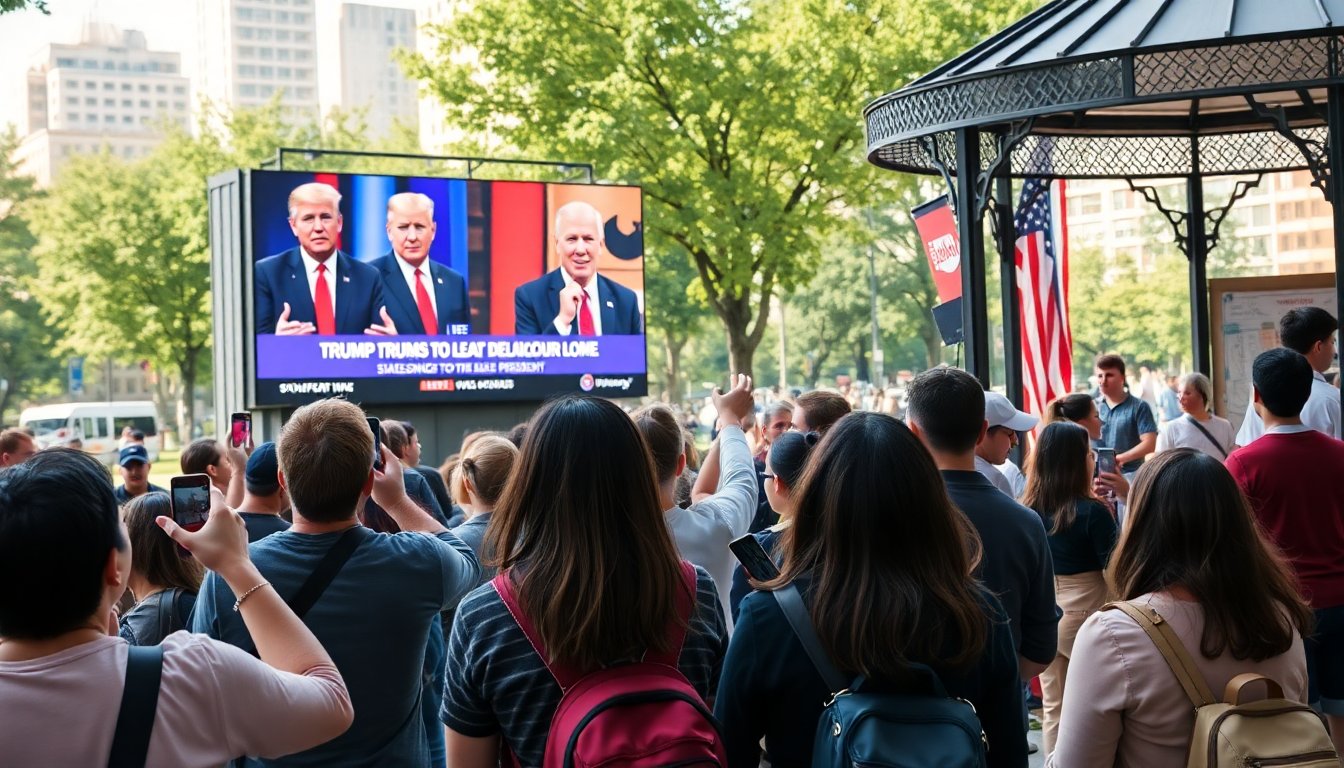
Wiles’s comments in Vanity Fair illustrate a broader phenomenon known as the Bravofication of political administration. This concept captures how traditional political figures are increasingly adopting the personas and tactics of reality television stars, thus blurring the lines between governance and entertainment.
Celebrity dynamics within the Trump administration
During Donald Trump’s presidency, cabinet members adopted a style that reflects elements of reality television. Kristi Noem, who served as Secretary of Homeland Security, created promotional videos for ICE that mirror the glamor and drama often found in reality shows. Similarly, Vice President JD Vance and Defense Secretary Pete Hegseth participated in confessional-style interviews, indicating a shift in political discourse toward the tactics used by media influencers.
The cultural implications of this shift
To explore this trend further, Vox consulted Danielle Lindemann, a sociology professor at Lehigh University. Lindemann’s research examines the societal effects of reality television. She posits that the rise of reality TV offers valuable insights into modern politics, especially regarding how audiences interpret characters and narratives within the political landscape.
She draws parallels between the typical viewer of reality television and the average supporter of the MAGA movement. Both groups tend to show unwavering loyalty to their favorites, often overlooking their flaws. This comparison underscores how political allegiance can resemble the loyalty seen in reality TV fandoms.
Reality TV as a reflection of societal values
Despite its humorous or outrageous content, reality television serves as a reflection of deeper cultural values and norms. Lindemann notes that while it may appear frivolous, it acts as a funhouse mirror that amplifies societal attitudes toward family dynamics and consumer choices. Through exaggerated characters and scenarios, reality TV encourages audiences to confront their own beliefs and behaviors.
In addition, Lindemann highlights that reality TV often promotes conservative values, though not exclusively in a political context. It reinforces traditional concepts of family and societal roles, which can normalize these ideas within the broader culture. Understanding this influence is crucial as it affects not just entertainment but also political views.
Archetypes in politics and media
The overlap between politics and entertainment shows a reliance on recognizable archetypes. Politicians frequently take on roles of heroes or villains, much like characters in reality TV shows. This approach is intentional; it allows audiences to connect easily with the stories, fostering a sense of belonging and loyalty.
The administration of Donald Trump has illustrated a notable trend in modern politics. Various officials have been categorized into familiar roles, such as the nasty woman or the bad hombre. This oversimplification of complex political identities into easily understandable narratives enables supporters to connect with specific figures, reinforcing a divisive us-versus-them mentality.
The transformation of political engagement
As the political landscape shifts, the relationship between politicians and the public is also changing. Lindemann argues that social media has been instrumental in this transformation, making politicians appear more accessible than ever. Figures of authority, once seen as distant, now engage directly with the public. This interaction often mirrors reality TV dynamics, where every comment can ignite public debate.
This shift influences how society consumes political information. Many viewers experience cognitive dissonance, acknowledging that not all claims are factual while still feeling emotionally connected to the narratives presented. The emotional appeal of these narratives often overshadows the significance of objective truth.
The evolving relationship between politics and entertainment
Looking forward, the merging of celebrity culture with politics appears unlikely to reverse. Instead, it may continue to change and shape future political landscapes. The current administration’s strategy, which combines media savvy with direct audience engagement, indicates that future leaders may employ similar tactics to connect with their constituents.
Politics and entertainment: a complex relationship
The interplay between politics and entertainment has become more pronounced, especially during the Trump administration. This blending of spheres shapes how politics is perceived and understood today.
It is essential to recognize this relationship to grasp the current political landscape. The influence of celebrity culture on governance continues to be significant, impacting decisions and public opinion alike.