
Table of Contents
Trump warns Iran on nuclear ambitions during Mar-a-Lago meeting
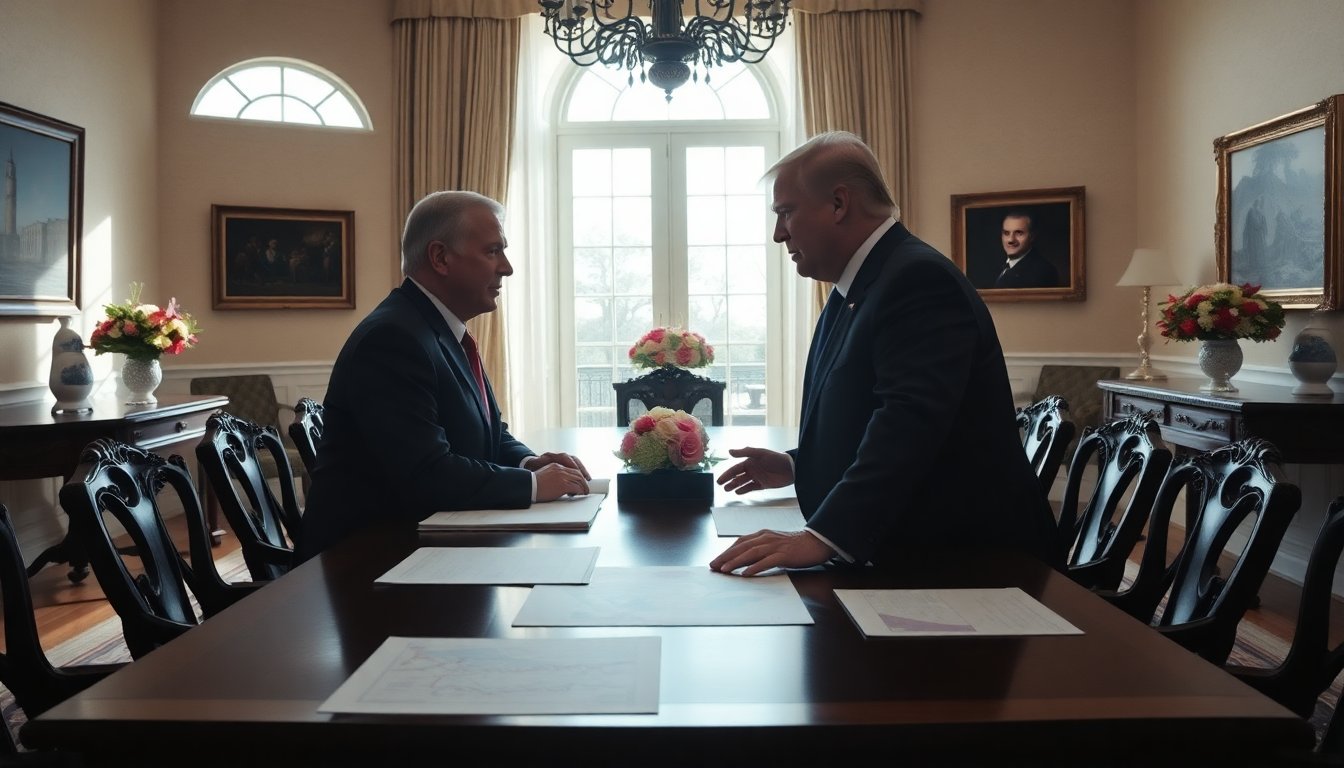
In a crucial meeting at his Mar-a-Lago estate, U.S. President Donald Trump issued a firm warning to Iran regarding its nuclear ambitions. This discussion occurred alongside Israeli Prime Minister Benjamin Netanyahu, as both leaders addressed the complexities of Middle Eastern geopolitics. Trump asserted that any attempt by Iran to revive its nuclear program would prompt decisive military action, raising concerns about regional stability.
Trump’s comments followed his earlier assertions that Iran’s nuclear capabilities had been fully dismantled after U.S. military strikes on key enrichment sites last June. Despite this, both Trump and Netanyahu voiced concerns about potential clandestine activities beyond the monitored sites. Israeli officials highlighted the risks associated with Iran’s possible resurgence in long-range missile development.
Concerns over Iran’s nuclear program
In a recent press interaction, former President Donald Trump expressed serious concerns about Iran’s nuclear ambitions. He stated, “I hear that Iran is attempting to build up again. If that is the case, we will have to take action against them. We will take them down. We will take them down hard, but let’s hope that is not the scenario we face.” This statement highlights the ongoing tensions between the United States and Iran, especially following recent military engagements.
The U.S. focus on drug trafficking
Trump’s administration has also been directing substantial resources toward combating drug trafficking in South America. This effort coincides with attempts to revitalize the U.S.-brokered ceasefire agreement between Israel and Hamas, which is at a critical juncture. The second phase of the Gaza deal, aimed at establishing an international governing body and rebuilding the war-torn region, may encounter significant delays.
As tensions escalate, Iran has asserted that it is not enriching uranium domestically, signaling a potential openness to negotiations regarding its nuclear program. However, discussions between former President Trump and Israeli Prime Minister Netanyahu have suggested the possibility of military action against Iran, occurring mere months after a 12-day conflict that destabilized the region.
The Gaza ceasefire and its challenges
Trump emphasized the urgency of advancing to the second phase of the Gaza ceasefire, stating, “We need to disarm Hamas to proceed effectively.” The ceasefire, which both leaders aim to maintain, has faced numerous challenges, with reports of violations surfacing from both sides. The initial phase began in October, coinciding with the second anniversary of a Hamas-led attack on Israel that caused considerable casualties.
Challenges in Gaza reconstruction
One significant challenge in progressing with the ceasefire is the Israeli government’s cautious stance on establishing a Palestinian technocratic committee to manage Gaza’s governance. Israeli officials have reportedly been slow to approve members for this committee, reflecting ongoing security concerns in the region. Simultaneously, military actions by Israel continue to generate considerable controversy.
Additionally, former President Trump’s plan proposes the creation of a multinational stabilization force aimed at ensuring security and facilitating the disarmament of Hamas. However, details regarding this force remain vague, revealing a substantial divide between U.S.-Israeli expectations and those of other countries participating in the discussions.
Political dynamics and future prospects
During their recent meeting, leaders expressed mutual admiration, with Trump seizing the opportunity to advocate for a pardon for Netanyahu. The Israeli prime minister is currently embroiled in a corruption trial, a significant event as he is the first serving prime minister in Israel to face such legal proceedings. Trump emphasized, “He’s a wartime prime minister who’s a hero. How do you not give a pardon?” This situation adds complexity to the political landscape.
The office of the Israeli president has indicated that discussions regarding the pardon are still ongoing. This highlights the intricate relationship between U.S. and Israeli politics. As the international community observes closely, the actions taken by both leaders could have significant implications for the future of peace in the region.
The meeting between Donald Trump and Benjamin Netanyahu highlights the fragile balance of power in the Middle East. Central to their discussions were Iran’s nuclear ambitions and the ongoing Gaza ceasefire. The outcomes of these talks may significantly influence regional politics for the foreseeable future.