
Table of Contents
Two sessions open in beijing amid tightened security
China’s annual political gatherings, the Two Sessions, opened in Beijing on March 3, 2026. The events bring together the advisory CPPCC and the lawmaking National People’s Congress.
Delegates are expected to set policy blueprints, economic targets and personnel signals for the coming years. Leaders will use the meetings to outline priorities and signal shifts in governance.
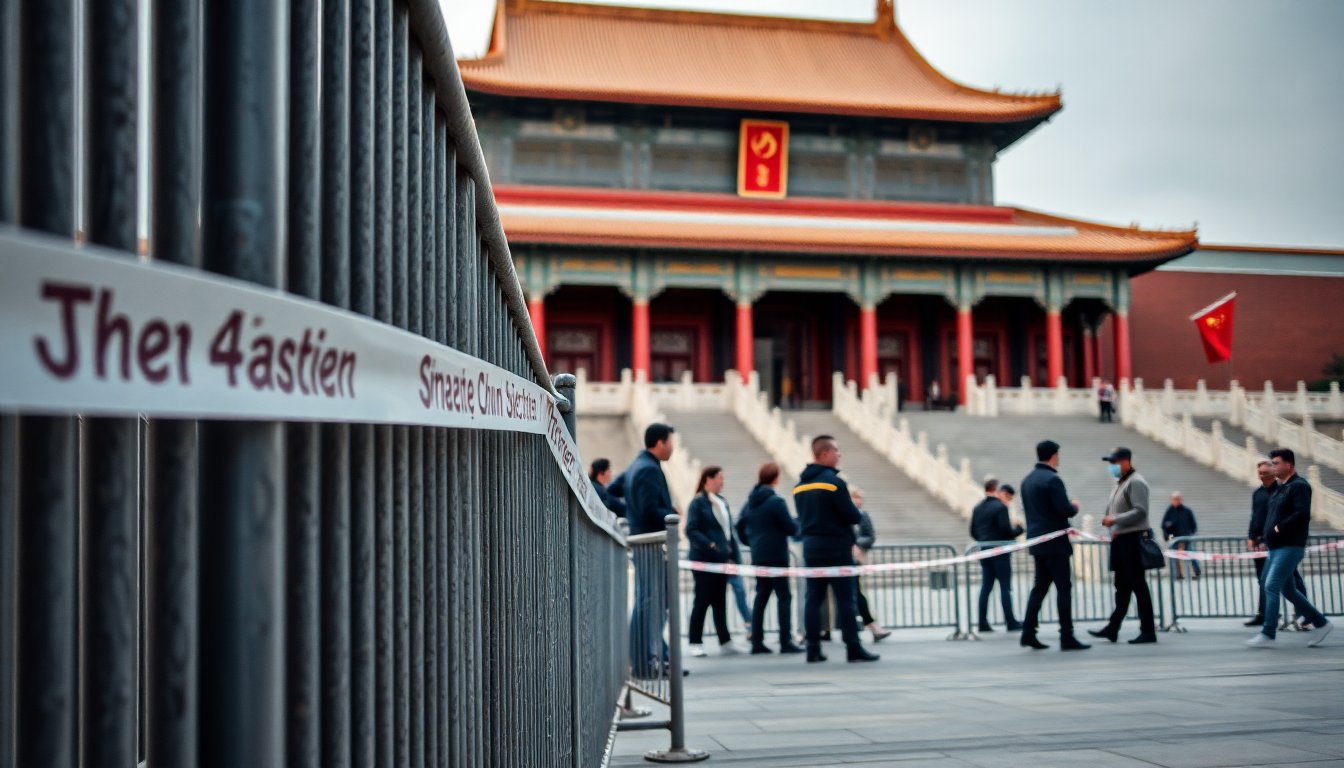
The sessions convene under heightened security in central Beijing and with tighter controls on public movement. Authorities have increased protections around government venues and transportation hubs.
Officials face external pressures, including foreign tariffs and regional instability, which are likely to shape policy discussions. Leadership will frame domestic and economic responses during the meetings.
Leadership will frame domestic and economic responses during the meetings. Although the sessions are tightly choreographed, their announcements matter. They determine fiscal and industrial priorities, reveal the government’s growth ambitions and signal possible shifts in foreign and defence posture. Observers will pay particular attention to the five-year plan endorsement in the Great Hall of the People and to the government work report delivered by the premier. Together, those documents will sketch the administration’s agenda on innovation, energy and social policy.
Economic targets and the reality of slowing demand
Economic targets set at the meetings serve as a policy roadmap for the year ahead. They also test the gap between official ambition and economic reality, as domestic demand shows signs of slowing.
Officials will weigh measures to stabilise growth, support employment and shore up household consumption. They may prioritise targeted fiscal support, incentives for investment in strategic industries and steps to boost domestic demand. Analysts will watch whether the government signals a shift toward structural reforms or opts for short-term stimulus to meet headline targets.
Leaders prepare for modest growth target as focus shifts to stability
Beijing is expected to set a measured growth target in the 4.5 to 5 percent range at the Two Sessions, reflecting a shift from rapid expansion to what authorities describe as high-quality growth. This approach prioritizes stability, technological capacity and environmental goals over headline GDP acceleration.
Policymakers face competing priorities. They must reinvigorate domestic demand after a prolonged property slowdown while safeguarding fiscal sustainability and employment. Investments in green energy and advanced manufacturing are likely to continue, but analysts warn these sectors may not produce large, immediate job gains.
The trade-off leaves officials with a narrow policy path: stimulate consumption and support jobs without undermining long-term structural upgrades. The stated growth band and emphasis on technological and environmental objectives signal that Beijing intends to pursue gradual, quality-led expansion rather than aggressive short-term stimulus.
Technology, rare earths and the push for self-reliance
The new five-year plan will underscore Beijing’s drive for technological independence. It will emphasize domestic capability in areas such as artificial intelligence, semiconductors and clean-energy components. Officials frame the effort as strategic. They say it aims to reduce external vulnerabilities exposed by trade frictions with major partners.
Leverage of critical minerals
China’s dominance in the production and processing of rare earth elements remains a significant lever in global economic competition. Any restrictions or adjustments to exports of these minerals would affect supply chains in the United States, Europe and other markets. Analysts view the policy as part of a broader toolkit that seeks to protect national security interests while promoting domestic industry.
Security-focused industrial strategy
Beijing is linking industrial policy to national-security priorities. State support will target firms and projects that strengthen supply-chain resilience for strategic technologies. Measures may include subsidies, preferential procurement and expanded investment in research and development.
The plan also signals closer coordination between economic planners and security agencies. That coordination aims to identify choke points in technology supply chains and to accelerate domestic solutions. Observers expect tighter export controls on dual-use items and increased screening of foreign investment in key sectors.
For external partners, the strategy raises immediate policy questions about diversification and risk mitigation. Import-dependent economies will likely intensify efforts to broaden sources of critical components and minerals. The outcome could reshape industrial alliances and trade patterns over the medium term.
The outcome could reshape industrial alliances and trade patterns over the medium term. Some analysts describe the technology push as a security-focused strategy rather than a straight growth plan. Capital-intensive, high-tech sectors often create limited immediate jobs relative to their strategic value. That dynamic helps explain why Beijing pairs innovation incentives with social measures aimed at stabilizing incomes and sustaining consumption.
Foreign policy pressures: tariffs, Iran and military reshuffles
The Two Sessions occur amid mounting global political headwinds that affect economic planning. Ongoing tariff disputes with major trading partners have influenced export and industrial policy decisions. Energy concerns linked to the Iran conflict carry direct implications for China’s oil supply and industrial output. Disruptions at key maritime chokepoints could interrupt fuel imports and raw-material shipments, adding pressure to domestic production chains. Separately, military reshuffles that alter naval deployments or regional force postures may change the calculus for securing sea lines of communication. Collectively, these external factors are feeding into policymakers’ efforts to balance strategic technology investments with measures to sustain social and economic stability.
Internal personnel moves and signals
Leadership changes within the military will be monitored closely by analysts and foreign governments. Recent investigations and the removal of senior officers have raised questions about the future command structure and potential effects on regional stability. Observation of seating arrangements and delegation lists at the National People’s Congress can offer subtle indicators of consolidation and shifts in priority.
Officials’ assignments and public appearances will be measured against those signals. Analysts will look for patterns that point to centralized control or factional balancing. These personnel developments could affect defence planning and diplomatic posture across the region.
Diplomacy and global positioning
Beijing is managing a diplomatic calendar that includes high-level visits by foreign leaders. Such engagements provide a backdrop for domestic policy announcements and a platform to highlight China’s international partnerships. Visiting counterparts are pressing Beijing on issues including the conflict in Ukraine and regional security, underscoring the link between economic choices and political commitments.
The interaction between foreign visits and domestic messaging will inform external perceptions of China’s policy direction. Observers will assess whether diplomatic engagements reinforce a narrative of resilience or signal adjustments in global strategy.
Observers will assess whether diplomatic engagements reinforce a narrative of resilience or signal adjustments in global strategy. On March 3, 2026, the Two Sessions acted as both a policy-setting forum and a platform for signalling to domestic audiences and international partners.
The session’s outcomes—chiefly growth targets, technology priorities, personnel changes and a recalibrated foreign policy posture—are likely to shape China’s near-term trajectory. Those decisions will reverberate through global markets and diplomatic circles as governments and investors track implementation and personnel shifts over the coming months.