
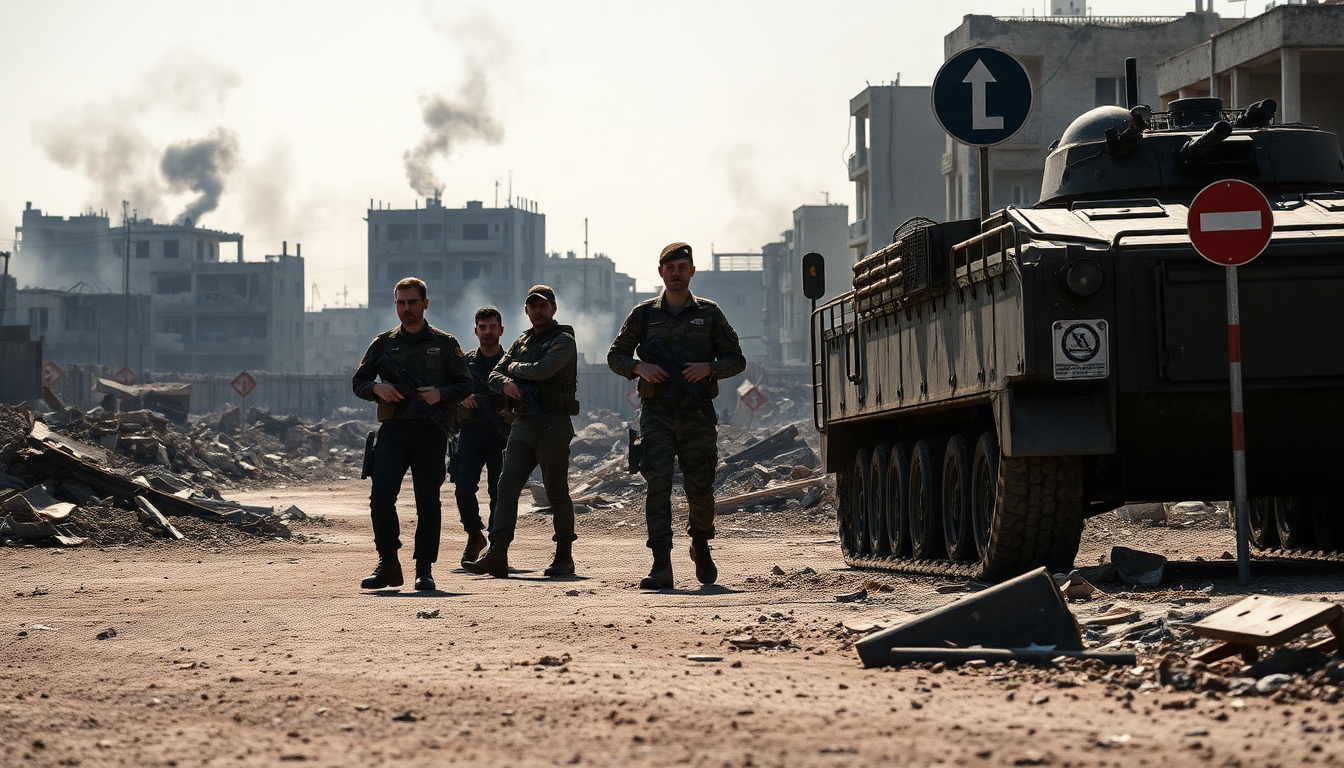
The conflict in the Middle East is taking a dramatic turn as the Houthis, a powerful faction in Yemen, have issued a stern warning: they will escalate their attacks unless Israel stops its military operations in Gaza and lifts the ongoing siege. This situation is not just a local skirmish; it’s a complex web of military actions and geopolitical implications that we all need to keep an eye on.
Current military operations and Houthi claims
Recently, Israel has ramped up its military presence around Yemen’s Hodeidah port, targeting locations that it claims are key to Houthi operations. Israeli officials allege these sites are used for launching drone and missile attacks against Israel and its allies. As Israeli Minister of Defence Israel Katz stated, the military is determined to dismantle any terrorist capabilities that have taken root.
The Houthis are not holding back either—they’ve taken credit for various drone and missile strikes on Israeli targets, including critical infrastructures like Ben Gurion airport and urban centers such as Ashdod and Jaffa. Yahya Saree, the military spokesperson for the Houthi movement, emphasized that these operations are a direct response to Israel’s actions in Hodeidah and the wider assault on Gaza. He confidently declared that their drone attacks have achieved their goals and promised to keep up the pressure until Israel changes its military approach.
The geopolitical context and implications
Since the beginning of Israel’s military campaign in Gaza in October 2023, the Houthis have expanded their operations, even targeting shipping lanes in the Red Sea. They frame their actions as a show of solidarity with the Palestinians. In retaliation, Israel has conducted airstrikes against Houthi positions, particularly in Hodeidah, a crucial gateway for essential goods and humanitarian aid to Yemen. This cycle of violence raises some serious questions about the broader geopolitical landscape of the region.
Katz has warned that the Houthis will face severe consequences for their missile attacks, hinting at a potential escalation that could involve various regional players. Notably, the Houthis claimed responsibility for attacking the Greek-owned vessel, Eternity C, leading to casualties. This incident highlights the increasing dangers to maritime security in the area and the looming threat of a wider conflict.
International agreements and future outlook
Earlier this year, the United States played a role in brokering a temporary halt to Houthi bombardments in exchange for reduced attacks on international shipping. However, the Houthis have made it clear that these agreements don’t extend to military operations targeting Israel. This situation suggests a fragile ceasefire, one that could easily fall apart amidst ongoing hostilities.
As we watch this situation unfold, the potential for further escalation is significant. Experts are closely monitoring how regional powers and the international community respond, as a prolonged conflict could lead to dire consequences for stability in the Middle East. The interaction between local factions and external influences will be key in shaping the future of this volatile region. What do you think will happen next? Will we see a resolution, or are we on the brink of something much larger? Stay tuned; this story is far from over.


