
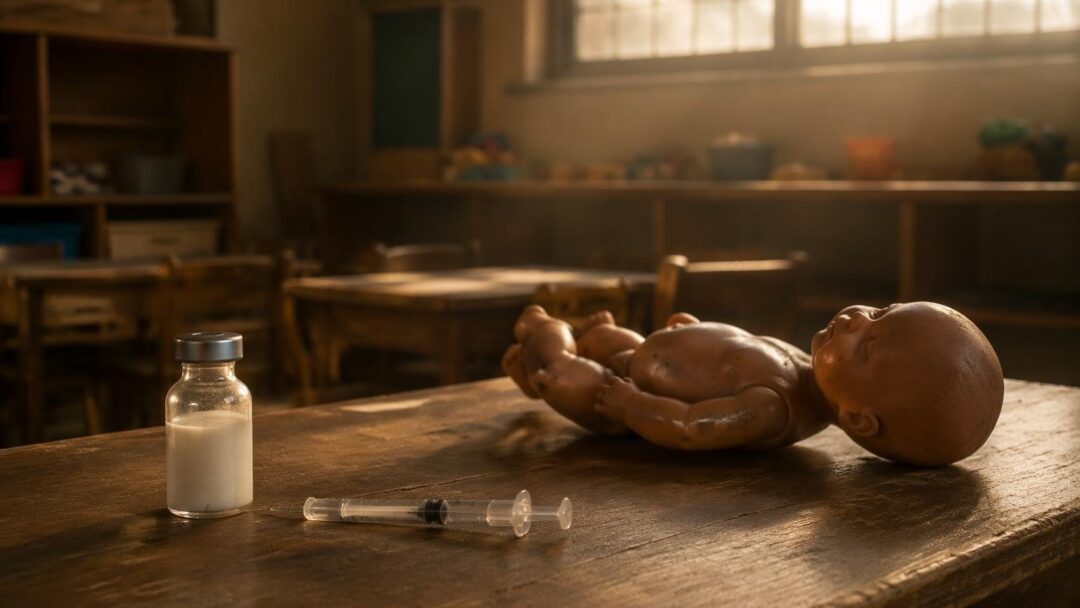
The United States is experiencing its most severe measles outbreak in over three decades, with a staggering 2,318 cases reported in the first seven months of 2026. This alarming figure surpasses the total number of cases reported in the entire previous year, signaling a significant public health concern. The resurgence of measles is closely linked to a declining trend in childhood vaccination rates which has left communities vulnerable to this highly contagious disease.
Experts warn that the current situation is a canary in the coal mine indicating broader vulnerabilities to other vaccine-preventable diseases. The outbreak has been fueled by various factors, including misinformation, vaccine hesitancy, and gaps in public health infrastructure. As the nation grapples with this crisis, health officials are working tirelessly to contain the spread and protect vulnerable populations.
The Texas Outbreak: A Harbinger of Things to Come
The first major outbreak of this year’s measles resurgence began in Andrews, Texas a small town about two hours south of Lubbock. Dr. Richard Eby, a family medicine doctor, encountered the first case during a weekend shift at Permian Regional Medical Center. The child required hospitalization due to dehydration and shortness of breath, a stark reminder of the disease’s severity.
Dr. Eby quickly realized that the official case count was merely the tip of the iceberg. The child’s mother revealed that classes at their small, private school had been canceled due to widespread illness. This revelation highlighted the underreporting of measles cases as many individuals did not seek testing unless their symptoms were severe. The outbreak in West Texas ultimately resulted in 762 cases and the first measles-related deaths in the U.S. in over a decade, including two young girls.
Measles Outbreaks Spread Across the Nation
New measles outbreaks have emerged in various states, including ArizonaDelaware and Wyoming. The Pennsylvania Health Department has reported 132 cases with 27 diagnosed in the past week alone. Meanwhile, the outbreak in Virginia which began in May, appears to be slowing, with no new cases reported since July 4.
The Piedmont Health District in central Virginia has been at the forefront of combating the outbreak, with health officials going door-to-door to encourage vaccinations. Dr. Maria Almond, the district health director, emphasized the importance of building trust and providing education to reluctant families. The Centers for Disease Control and Prevention (CDC) has deployed staffers to assist with outbreaks in several states, although the federal health response has been limited due to a lack of leadership and funding.
The Impact of Declining Vaccination Rates
The majority of measles cases, 93% have occurred in unvaccinated individuals, underscoring the critical role of vaccination in preventing the spread of the disease. According to 2026 CDC data, 92.5% of children receive measles vaccines, but a 95% vaccination rate is necessary to achieve herd immunity. Experts warn that the current decline in vaccination rates is leaving communities vulnerable not only to measles but also to other preventable diseases such as whooping cough, meningitis, and chickenpox.
Dr. Adam Ratner, a pediatrician and member of the American Academy of Pediatrics Committee on Infectious Diseases emphasized the need for strong, well-funded local public health departments and a well-staffed CDC to effectively respond to outbreaks. The lack of leadership and resources has hindered the nation’s ability to contain the spread of measles and protect public health.
The Severity of Measles: A Disease Not to Be Underestimated
Measles is often described as the flu on steroids with symptoms including high fever, rash, and severe fatigue. Dr. Stuart Simko, a pediatrician at Prisma Health in Greer, South Carolina highlighted the rapid and efficient spread of measles, which surpasses even the transmission rates of COVID-19. The outbreak in South Carolina ultimately infected 997 people with cases stretching from the northwest corner of the state to the more populous Salt Lake City area.
While the majority of measles cases have occurred in children and teenagers, adults have also been significantly affected. In Pennsylvania, only 39% of cases have occurred in individuals under the age of 18, with adults experiencing severe symptoms such as nausea, vomiting, diarrhea, and dehydration. The ongoing outbreaks have raised concerns about the potential loss of the nation’s measles elimination status, which was achieved in 2000. The Pan American Health Organization is expected to make a decision on this matter in November.


