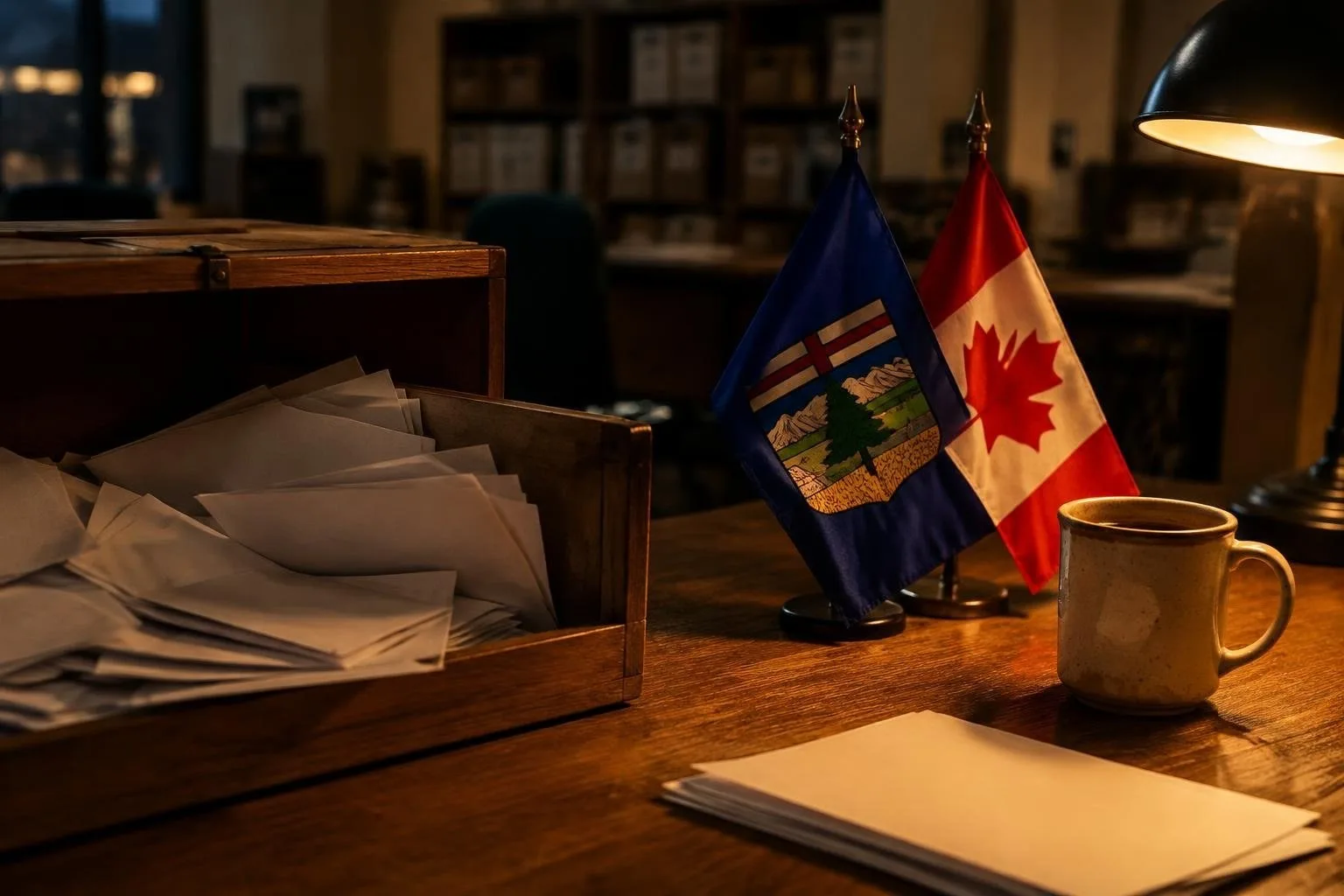

The U.S. ambassador to Canada has publicly said American officials are closely watching statements and actions by Canadian politicians for what Washington might consider election interference. His comments have intensified an already strained relationship over trade and political rhetoric, and came as the U.S. prepares for pivotal midterm elections on Nov. 3, 2026.
At the center of the dispute are a number of discrete incidents and remarks: a television ad run by the Province of Ontario last year that criticized U.S. tariffs, recent comments by Canada’s Industry Minister Mélanie Joly about targeting tariffs at politically sensitive states, and public criticism of the U.S. administration by former prime minister Justin Trudeau. Ottawa has rejected any suggestion that Canadian officials aim to influence U.S. voting, saying contacts in the United States were focused on investment attraction and commercial diplomacy.
Diplomatic warning and the examples cited
In a podcast interview, the ambassador pointed to the Ontario World Series advertisement that used clips of Ronald Reagan criticizing tariffs as a concrete example that could be viewed abroad as political messaging. He also referenced remarks by Minister Mélanie Joly about targeting retaliatory duties and comments by former prime minister Justin Trudeau criticizing U.S. policy. The ambassador warned Canadian politicians to “keep their nose out” of American electoral politics and said the United States would respond if it judged any actions to cross into election interference.
Those statements have been framed by Washington as part of normal vigilance around foreign influence during an election cycle. The ambassador emphasized that U.S. officials are “monitoring” and “evaluating” activity, and that responses would be calibrated if actions met the threshold of election interference. The comment was also shared by the U.S. embassy on social media, signaling official attention to the issue.
Ottawa’s rebuttal and stated priorities in the United States
Minister Joly and other Canadian officials rejected the accusation outright, saying Canada would “never” interfere in U.S. elections and would not accept similar interference directed at Canada. Joly described her recent U.S. visits to meetings with governors, business leaders and agencies as efforts to secure new foreign investment for Canada, framing them as economic diplomacy rather than political intervention. She indicated ongoing outreach to both Democratic and Republican officials as part of a strategy to attract business.
Ottawa’s broader narrative places the contested advertising and public statements within a trade policy dispute that already cost formal negotiation momentum. In October 2025, trade talks between the two governments collapsed after disagreements on terms and public spats over tariffs. That economic backdrop helps explain why Canadian messaging critical of U.S. tariff policy has been more prominent and why Washington may be more sensitive to perceived influence in border states.
Political context in the United States and cross-border spillovers
The comments from the ambassador come amid an election season where the cost of living and trade tensions are salient issues in swing states. U.S. political figures allied with the administration have publicly warned of consequences if Canada were perceived as attempting to sway votes, while some Republican candidates in border states have distanced themselves from tariff policies. Separately, reports surfaced of U.S.-based operatives and foreign contacts linking to regional political movements across the border, underscoring how domestic American races can intersect with cross-border lobbying and advocacy.
Senior U.S. advisers have at times used strident language—telling Canadian lobbyists they must “get out” of certain activities and warning of punitive responses—heightening the rhetoric between capitals. At the same time, the U.S. president has repeatedly criticized Canada publicly, including a recurring claim that Canada might become the “51st state,” and references to trade grievances such as dairy tariffs and border commerce.
What officials have said about potential responses
The U.S. ambassador did not offer a detailed list of countermeasures but made clear that Washington reserves the right to respond if it determines that Canadian acts amount to interference in U.S. elections. Canadian ministers maintain their interactions are lawful and focused on economic diplomacy. Both sides have continued to trade public barbs while stopping short of naming specific retaliatory steps tied to electoral influence.
As the Nov. 3, 2026 midterms approach, bilateral relations remain strained across trade and political dimensions. Observers on both sides of the border will be watching how rhetoric and policy maneuvering evolve, particularly in jurisdictions where cross-border economic ties and political messaging overlap.